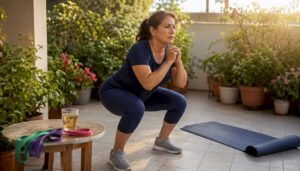
A PRP injection recovery guide is defined as a structured, phase-based care plan that tells you exactly how to manage pain, protect the treated area, and progress through healing after a platelet-rich plasma (PRP) procedure. PRP therapy works by concentrating your own platelets and injecting them into damaged tissue to trigger a controlled inflammatory response that drives repair. The recovery process is not passive. What you do in the days and weeks after your injection directly shapes how much benefit you get. This guide walks you through each phase, from the first 72 hours through full return to activity, with evidence-based timelines and practical care instructions.
What does a PRP injection recovery guide actually cover?
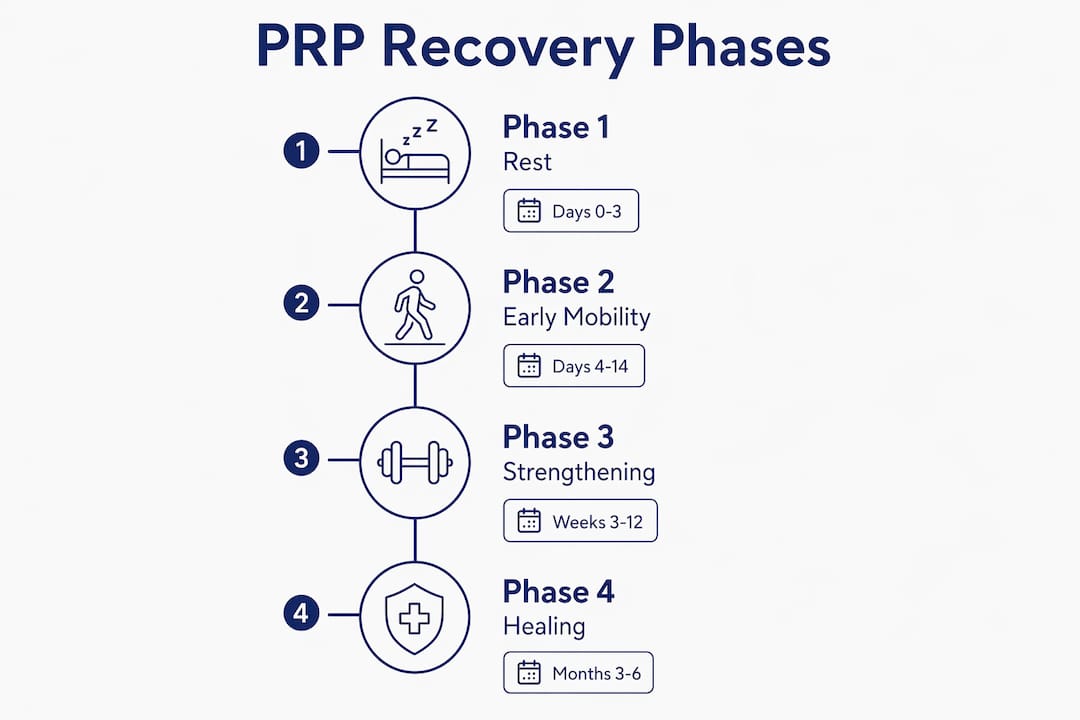
A complete PRP injection recovery guide covers four distinct phases: initial rest (days 0 to 3), early mobility (days 4 to 14), light strengthening (weeks 3 to 6), and advanced rehabilitation leading to full return to activity between 3 and 6 months. Each phase has specific goals, restrictions, and warning signs. Understanding this structure before your procedure reduces anxiety and improves compliance, which is the single most impactful factor in how well PRP works for you.
The term “PRP therapy aftercare” is sometimes used interchangeably with recovery, but aftercare technically refers to the immediate post-procedure window. Full recovery encompasses the entire healing arc from injection day through functional restoration. Both matter, and this guide addresses them together.
What to do immediately after a PRP injection (days 0 to 3)
The first 72 hours set the foundation for everything that follows. Your body is actively deploying the concentrated platelets to begin tissue repair, and your job is to protect that process without interfering with it.
Here is what post-PRP treatment care looks like in this window:
- Rest on injection day. Avoid loading the treated area. If the injection was in a knee or hip, use crutches or limit weight-bearing as directed by your provider.
- Stay hydrated. Adequate fluid intake supports circulation and the delivery of growth factors to the repair site.
- Avoid NSAIDs completely. Medications like ibuprofen, aspirin, and naproxen block the inflammatory process that PRP depends on. Acetaminophen (Tylenol) is the appropriate choice for pain management in this phase.
- Do not apply ice. No ice in the first 72 hours is a firm guideline. Ice is anti-inflammatory by nature, and applying it too early can suppress the very response you paid to activate.
- Keep the site clean and dry. Avoid submerging the injection area in pools, hot tubs, or baths for at least 48 hours.
- Expect soreness and swelling. Initial soreness and swelling are normal signs that the inflammatory healing cascade has been triggered. This is not a complication. It is confirmation the process is working.
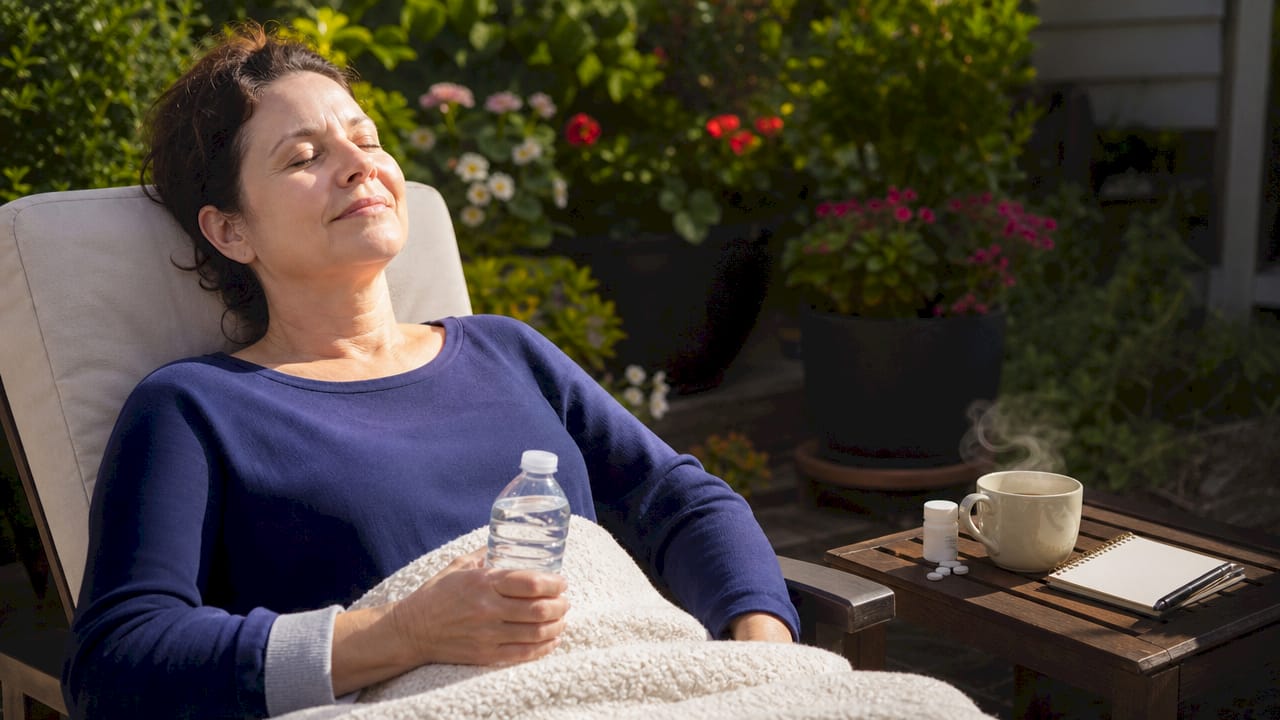
Pro Tip: Set up a recovery station before your appointment. Stock it with acetaminophen, a water bottle, a light blanket, and any entertainment you need. Having everything within reach removes the temptation to move around unnecessarily on day one.
How to manage early mobility and care during days 4 to 14
Once the initial 48 to 72 hours have passed, the goal shifts from pure protection to gentle, controlled movement. Complete immobilization beyond 48 hours can actually delay tissue repair by reducing circulation to the healing site. Movement, done carefully, is part of the treatment.
What this phase looks like in practice:
- Gentle range-of-motion exercises. Slow, controlled movements through a comfortable range prevent stiffness without stressing the repair site. Think ankle circles, gentle knee bends, or shoulder pendulum exercises depending on the treated area.
- Light daily activity is appropriate. Short walks, light household tasks, and normal daily movement are generally fine. Avoid anything that causes sharp pain or significant swelling.
- Ice can now be used sparingly. After the 72-hour mark, brief ice application (10 to 15 minutes at a time) can help manage discomfort. Use it for comfort, not as a primary treatment.
- Continue avoiding NSAIDs, alcohol, and smoking. All three interfere with the regenerative process. The NSAID restriction extends to at least 14 days post-injection.
- Isometric exercises are a good starting point. Contracting muscles without joint movement builds strength without loading the repair site. A physical therapist can guide you through appropriate options.
Pro Tip: Start a daily pain and activity diary from day one. Rate your pain on a 0 to 10 scale each morning and note what activities you did the day before. This gives you objective data to share with your provider and helps you avoid making reactive decisions based on a single bad day.
Tracking your progress this way also helps you monitor recovery milestones without over-interpreting normal fluctuations.

When to begin strengthening and rehabilitation (weeks 3 to 12)
This is the phase where most patients feel impatient. Pain has often decreased noticeably, and the temptation to return to full activity is real. Resisting that impulse is one of the most important things you can do. The tissue is still consolidating, and premature loading is a common cause of setbacks.
Here is a structured progression for this phase:
- Weeks 3 to 4: Light resistance training. Begin with low-load resistance exercises targeting the muscles around the treated joint. Resistance bands, bodyweight movements, and light machine work are appropriate. Avoid free weights that require stabilization through the injured area.
- Weeks 4 to 6: Low-impact cardio. Swimming, cycling on a stationary bike, and walking on flat surfaces are good options. These activities build cardiovascular fitness and promote circulation without high joint stress.
- Weeks 6 to 8: Progressive loading. Gradually increase resistance and duration. Monitor for increased swelling or pain that persists more than 24 hours after a session. If that happens, reduce intensity and consult your provider.
- Weeks 8 to 12: Functional movement patterns. Introduce movements that mimic your daily activities or sport. Squats, lunges, and step-ups are appropriate for lower extremity cases when cleared by your provider.
- Throughout: Work with a physical therapist. Structured physical therapy combined with PRP produces better outcomes than either approach alone. A therapist can adjust your program in real time based on how your tissue is responding.
Combining PRP with physical therapy is something we discuss in depth in our guide on PRP and physical therapy together. The short version: the two approaches are complementary, and skipping structured rehab leaves results on the table.
What to expect with pain, swelling, and PRP effectiveness
Managing expectations is as much a part of recovery as any physical protocol. Many patients experience a temporary flare of pain and swelling in the first week, which is normal. What concerns providers is pain that escalates sharply after the first few days, swelling that spreads beyond the injection site, or fever and redness that suggest infection.
Here is a reference table for what is normal versus what warrants a call to your provider:
| Symptom | Normal response | Contact your provider if… |
|---|---|---|
| Soreness at injection site | Days 1 to 5, gradually improving | Pain worsens after day 5 or is severe |
| Localized swelling | Days 1 to 7, mild to moderate | Swelling spreads or increases after day 7 |
| Stiffness | Weeks 1 to 3, eases with movement | Stiffness is severe or worsening |
| Fatigue | First few days, mild | Accompanied by fever or chills |
| Temporary symptom flare | Weeks 2 to 4, common | Flare is severe or lasts more than 2 weeks |
Meaningful symptom improvement typically emerges between 6 and 12 weeks post-injection, with effects lasting 6 to 18 months depending on the condition treated and whether maintenance injections are used. This timeline is longer than many patients expect, which is why adherence to the full recovery protocol matters so much. Patients who abandon their rehab plan at week 4 because they feel better often see their symptoms return faster than those who complete the full program.
For a detailed breakdown of what results look like across the full timeline, our real PRP results overview covers patient outcome patterns we see regularly at Nortextissueregeneration.
Common mistakes that slow PRP recovery and how to avoid them
The most frequent errors we see are not dramatic. They are small, understandable decisions that compound over time and blunt the therapy’s effect.
- Taking NSAIDs for post-injection pain. This is the most common and most damaging mistake. Reaching for ibuprofen because you are sore is a natural instinct, but it directly interferes with the regenerative process PRP depends on. Use acetaminophen instead.
- Returning to high-impact activity too soon. Feeling better at week 4 does not mean the tissue is fully repaired. Tissue remodeling continues for months. Premature loading can re-injure the site before it has consolidated.
- Over-immobilizing beyond 48 hours. The opposite error is also real. Staying completely still for days out of caution can stiffen the joint and reduce circulation to the healing area.
- Neglecting nutrition, hydration, and sleep. Tissue repair is a metabolic process. Protein intake, adequate hydration, and 7 to 9 hours of sleep per night are not optional extras. They are part of the treatment.
- Abandoning the plan after a bad day. Pain and inflammation fluctuations are normal throughout recovery. A single difficult day does not mean the treatment has failed. Your pain diary is the tool that keeps you anchored to the plan rather than reacting to each symptom in isolation.
Pro Tip: Before your injection appointment, prepare your home environment. Move frequently used items to accessible heights, arrange a comfortable resting area, and stock your kitchen with easy-to-prepare, protein-rich foods. Recovery is easier when your environment supports it.
Key takeaways
Adherence to a phase-based PRP recovery protocol is the most impactful factor in achieving lasting symptom relief and tissue repair.
| Point | Details |
|---|---|
| Avoid NSAIDs for 14 days | Ibuprofen, aspirin, and naproxen suppress the inflammatory repair process PRP depends on. |
| No ice in the first 72 hours | Ice is anti-inflammatory and can interfere with platelet activation at the injection site. |
| Expect results at 6 to 12 weeks | Clinically meaningful improvement typically emerges in this window, not in the first few days. |
| Combine PRP with physical therapy | Structured rehabilitation alongside PRP produces better outcomes than rest alone. |
| Track symptoms with a daily diary | Objective records prevent reactive decisions and help your provider adjust your plan accurately. |
What I have learned from watching patients recover from PRP
After working with patients across a wide range of conditions, from knee osteoarthritis to rotator cuff injuries, the pattern that stands out most clearly is this: the patients who do best are rarely the ones with the most severe injuries or the most straightforward cases. They are the ones who follow the plan consistently, even when it feels slow.
The hardest part of PRP recovery is the gap between when you start feeling better and when the tissue is actually ready for full loading. That gap is real, and it is where most setbacks happen. A patient feels 70% better at week 5 and goes back to running. Two weeks later, they are back in the office with a flare. We see this regularly, and it is almost always preventable.
What I would tell anyone starting this process is to treat the recovery protocol as part of the treatment itself, not as a set of restrictions to get through. The multi-phase recovery timeline exists because tissue repair has a biological pace that cannot be rushed by willpower or optimism. Respecting that pace is not passive. It is the most active thing you can do for your outcome.
PRP is also not a standalone fix. It works best as part of a broader strategy that includes physical therapy, lifestyle factors, and realistic expectations about what regenerative medicine can and cannot do. Patients who come in with that understanding tend to be more satisfied with their results, even when the timeline is longer than they hoped.
— Felix
How Nortextissueregeneration supports your recovery at every phase
At Nortextissueregeneration, we do not hand you a pamphlet after your injection and send you home. Every patient receives a personalized recovery plan built around their specific condition, activity goals, and timeline. Our team stays involved through follow-up appointments designed to adjust your rehabilitation protocol as your healing progresses.
If you are considering PRP or have already had an injection and want structured guidance, our PRP therapy service page outlines what the full treatment and recovery process looks like at our clinic. We also work with patients who are exploring whether regenerative approaches are appropriate for their condition before committing to a procedure. The goal is always the same: give you the information and support to heal well.
FAQ
How long does PRP injection recovery take?
Full recovery from PRP typically spans 3 to 6 months, progressing through phases of rest, gentle movement, light strengthening, and functional rehabilitation. Most patients notice meaningful symptom improvement between 6 and 12 weeks post-injection.
Can I take ibuprofen after a PRP injection?
No. Anti-inflammatory medications including ibuprofen, aspirin, and naproxen should be avoided for at least 14 days after PRP because they suppress the inflammatory repair process the treatment depends on. Acetaminophen is the recommended alternative for pain management.
When will I feel results from PRP therapy?
Clinically significant benefits typically peak between 8 and 12 weeks after injection, with effects lasting 6 to 18 months depending on the condition and whether maintenance injections are used.
Is swelling after a PRP injection normal?
Yes. Localized swelling and soreness in the first few days are normal signs that the inflammatory healing response has been activated. Contact your provider if swelling spreads beyond the injection site, worsens after day 7, or is accompanied by fever.
Should I do physical therapy after a PRP injection?
Physical therapy is strongly recommended. Structured rehabilitation combined with PRP produces better recovery outcomes than rest alone, and a therapist can safely guide you through progressive loading as your tissue heals.
Recommended
- PRP Therapy FAQs: Straight Answers from Regenerative Specialists – Nortex Tissue Regeneration
- How Does PRP Compare to Prolotherapy for Joint Healing? – Nortex Tissue Regeneration
- PRP Recovery Timeline: How Long Until You Feel Results? – Nortex Tissue Regeneration
- How Many PRP Sessions Do I Need? A Clear Guide for Real Results – Nortex Tissue Regeneration