
Whether you’re recovering from a sports injury, managing a chronic wound, or dealing with damage from a degenerative condition, knowing how to heal tissue damage effectively can mean the difference between a full recovery and a prolonged setback. The body’s repair process is remarkably capable, but it doesn’t work in a vacuum. It needs the right environment, the right inputs, and sometimes the right clinical support to do its job well. This guide walks you through what actually works, from foundational preparation to advanced non-surgical therapies, with realistic expectations at every step.
Table of Contents
- Key takeaways
- How to heal tissue damage: what you need to know first
- Step-by-step approaches to promote tissue recovery
- Advanced non-surgical options for tissue healing
- Common problems and when to seek help
- What I’ve learned from years of watching tissue heal
- How Nortex Tissue Regeneration can support your recovery
- FAQ
Key takeaways
| Point | Details |
|---|---|
| Moisture accelerates healing | Keeping wounds moist speeds recovery by approximately 50% compared to dry wound management. |
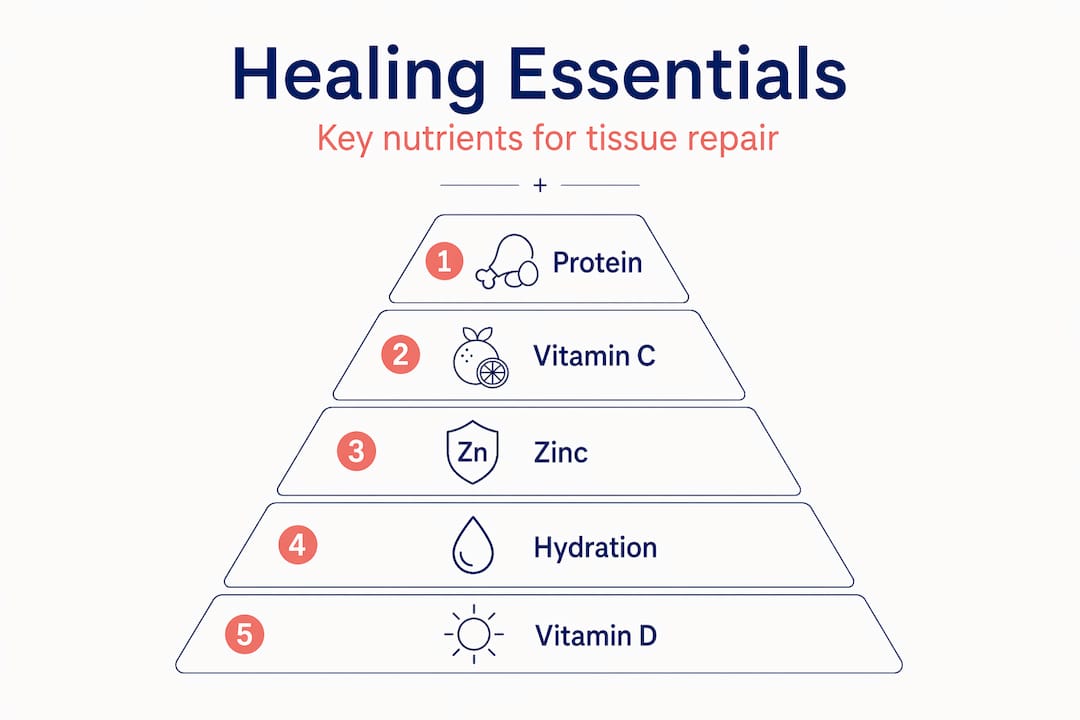
| Nutrition fuels repair | Adequate protein, vitamin C, zinc, and hydration are non-negotiable for effective tissue repair. |
| Sleep quality matters more than expected | Poor sleep can extend healing time by 25% or more due to reduced growth hormone output. |
| Undisturbed healing is a clinical priority | Changing dressings too often disrupts the wound environment and raises infection risk. |
| Advanced therapies offer real options | Regenerative treatments like PRP and stem cell therapy can support healing when standard care falls short. |
How to heal tissue damage: what you need to know first
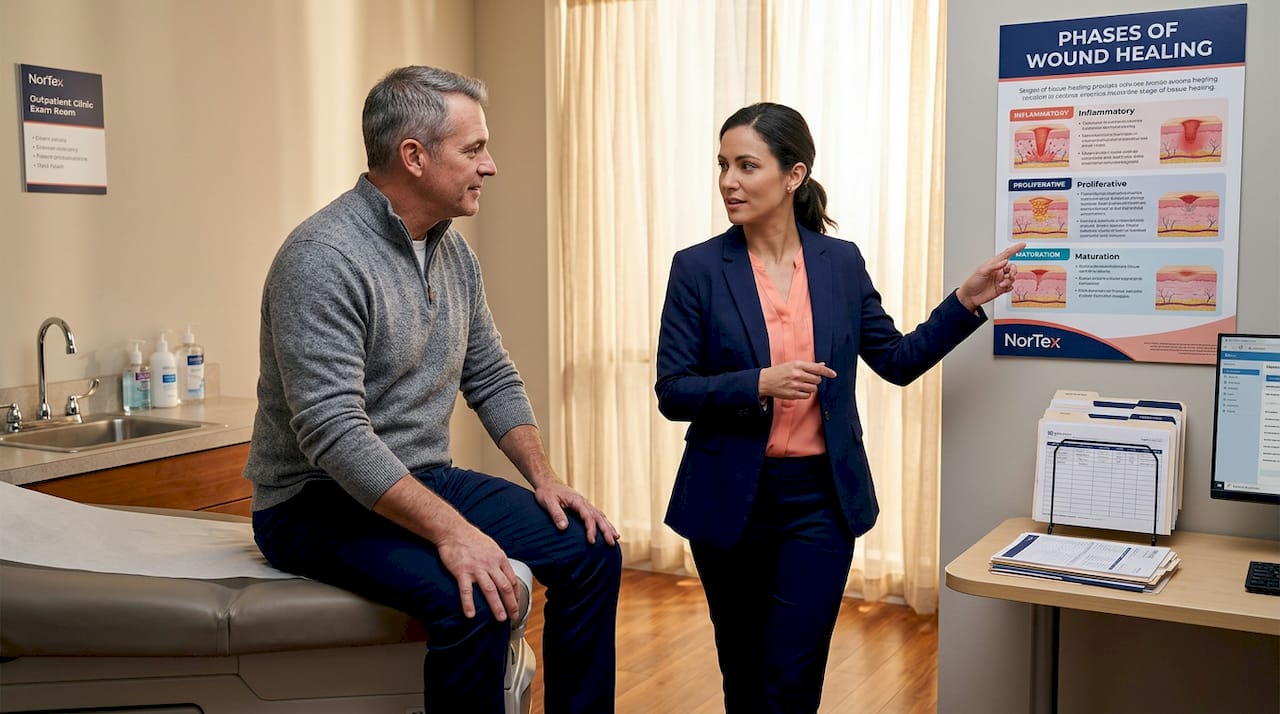
Tissue repair happens in three overlapping phases: inflammation, proliferation, and remodeling. Understanding this sequence matters because it tells you what the body actually needs at each stage. Inflammation is not the enemy. It’s the body’s initial signal to begin repair, and suppressing it too aggressively too early can actually slow the process.
During the proliferation phase, your body builds new tissue using collagen, new blood vessels, and specialized cells called fibroblasts. This is when your environment and lifestyle choices have the greatest influence. The remodeling phase follows, sometimes lasting months, during which the new tissue gains strength and organization.
One of the most consistently misunderstood aspects of tissue healing is wound moisture. Moist wounds heal roughly 50% faster than dry ones because moisture supports cell migration and prevents the formation of dry scabs that block repair. That said, too much moisture creates its own problem. Excess fluid causes maceration, which softens and damages the surrounding skin and raises infection risk. The goal is a controlled moisture environment, which is exactly what modern wound dressings are designed to deliver.
Before you begin any active treatment, your lifestyle baseline matters. Protein, vitamin C, zinc, and hydration are the raw materials your body uses to build new tissue. If any of those are depleted, the repair process stalls regardless of what you apply topically. Sleep is another factor that most people underestimate. Poor sleep extends healing time by 25% or more because deep sleep is when the body releases growth hormone, which directly drives tissue repair.
Choosing the right dressing matters more than most people realize
Different wound types need different dressing environments. Here is a practical reference:
| Dressing type | Best used for | Key benefit |
|---|---|---|
| Hydrocolloid | Shallow wounds, abrasions | Maintains moisture, reduces pain during changes |
| Foam | Moderate to heavily exuding wounds | Absorbs excess fluid without drying the wound bed |
| Alginate | Deep wounds with heavy drainage | High absorption, conforms to wound shape |
| Transparent film | Low-exudate wounds, post-procedure sites | Allows monitoring without removal |
| Antimicrobial silver | Infected or high-risk wounds | Reduces bacterial load while supporting moisture |
A meta-analysis of 16 randomized controlled trials found that hydrocolloid moist dressings significantly reduce pain and accelerate healing compared to non-moist alternatives. Choosing the wrong dressing is not a minor inconvenience. It can set your recovery back by weeks.
Step-by-step approaches to promote tissue recovery
When an injury first occurs, the immediate steps you take set the tone for everything that follows. Getting these right requires more than instinct.
- Clean the wound gently. Rinse with clean water or saline to remove debris. Avoid hydrogen peroxide and iodine solutions. Harsh antiseptics damage healthy tissue and delay healing, even though they feel like they should be doing good.
- Apply gentle pressure and elevate. For wounds with active bleeding, apply firm but gentle pressure. Elevation reduces blood pooling and limits swelling in the early hours after injury.
- Select and apply an appropriate dressing. Based on the table above, match your dressing to the wound type. Secure it without compressing the tissue.
- Fuel the repair process with targeted nutrition. Increase your protein intake through lean meats, eggs, or legumes. Add foods rich in vitamin C, such as citrus and bell peppers, and zinc-rich foods like pumpkin seeds and beef. Drink more water than you think you need.
- Manage inflammation with appropriate tools. Cold application during the first 24 to 48 hours can reduce swelling and pain. After that window, gentle warmth and movement typically support circulation and repair better than continued icing. Natural options like turmeric and omega-3 fatty acids have modest but real anti-inflammatory effects.
- Move carefully and consistently. Complete immobilization slows healing for most types of tissue damage. Gentle, pain-free movement improves circulation, which is the delivery system for all the nutrients and growth factors your healing tissue needs.
- Leave the dressing alone. This is one of the most common mistakes. Frequent dressing changes disrupt the healing environment and increase infection risk. Change dressings only when they are saturated, slipping, or show signs of contamination.
Pro Tip: If your wound produces a thin, clear or pale yellow fluid called serous exudate, that is a normal sign of active healing. Removing the dressing just to check the wound introduces bacteria and disturbs the microenvironment the body has carefully built.
The psychological side of tissue recovery is real too. Stress elevates cortisol, which suppresses immune function and slows collagen synthesis. Patients who sleep well, eat deliberately, and manage anxiety tend to recover measurably faster in our clinical experience. These are not soft lifestyle suggestions. They are tissue repair techniques backed by physiology.

Advanced non-surgical options for tissue healing
When basic wound care and lifestyle optimization are not producing adequate results, or when the damage is deeper and more complex, there are evidence-supported therapies that can meaningfully accelerate healing without surgery.
Regenerative medicine represents the most significant shift in how we think about tissue repair in the last two decades. PRP and stem cell treatments stimulate cellular repair mechanisms, offering genuine options for chronic tissue damage that has not responded to conventional care. These treatments work by concentrating the body’s own healing signals and delivering them directly to damaged tissue. The result is an accelerated version of what the body tries to do on its own.
Key advanced options include:
- Platelet-Rich Plasma (PRP): Derived from your own blood, PRP concentrates growth factors that directly stimulate collagen production and tissue regeneration. It is particularly useful for tendon injuries, joint damage, and non-healing wounds.
- Stem cell therapy: Targets damaged tissue at the cellular level, encouraging the body to regenerate rather than just scar over. You can learn more about how stem cells repair joints to understand the mechanism.
- Bone marrow cell therapy: Uses progenitor cells harvested from the patient’s own marrow to stimulate repair in hard-to-heal areas.
- Negative pressure wound therapy (NPWT): NPWT accelerates healing by reducing swelling, increasing blood flow, and drawing wound edges together using controlled suction. It does not require surgery and is effective for complex or non-healing wounds.
- Ultrasound-assisted debridement: Removes non-viable tissue using sound waves, preparing the wound bed for new growth without traumatizing healthy surrounding cells.
Nutritional supplementation also plays a more advanced role than most people expect. Vitamin D deficiency is associated with impaired wound healing and immune suppression. Collagen peptide supplements show promising evidence for improving tissue strength during the remodeling phase. Omega-3 fatty acids help regulate the inflammatory response so it resolves appropriately rather than persisting as chronic inflammation.
Scar management after healing is worth planning for, especially following significant injuries. Silicone gel sheets, massage, and graduated compression can reduce scar thickness and improve tissue flexibility. Starting these interventions early in the remodeling phase produces noticeably better long-term outcomes.
Common problems and when to seek help
Not every wound progresses as expected. Recognizing the warning signs early can prevent complications that are far harder to treat than the original injury.
Watch for these signs that something is not working as it should:
- Increasing redness, warmth, or swelling around the wound after the first 48 hours
- Thick, yellow or green discharge with an odor
- Fever or chills, which suggest systemic infection
- Wound edges that are pulling apart or not drawing together
- Numbness, severe pain, or visible tissue that looks dark or necrotic
“Tissue damage that does not show measurable improvement within two to three weeks of consistent, appropriate care deserves professional evaluation. Delayed treatment of infected or non-healing wounds dramatically increases the risk of permanent damage.”
Two lifestyle factors deserve specific attention. Smoking can triple healing time by constricting blood vessels and reducing the oxygen delivery that all repair processes depend on. Poor blood sugar control in people with diabetes similarly starves tissue of the metabolic support it needs. Both are modifiable, and both have immediate effects on healing outcomes when addressed.
There is also a balance to maintain between rest and activity. Excessive immobilization weakens surrounding tissue and reduces circulation to the injury site. On the other hand, too much strain on healing tissue before it has adequate tensile strength reopens injuries and triggers inflammatory cycles. If you are unsure where that line is, that is a genuine reason to consult a clinician rather than guess.
If you recognize that standard care is falling short, exploring when regenerative care is appropriate can help you make a more informed decision about next steps.
What I’ve learned from years of watching tissue heal
I have seen patients arrive after months of doing everything right on paper, only to find that one overlooked factor was quietly undermining their recovery. More often than not, that factor is either sleep or smoking. People understand intellectually that these things matter, but they do not feel like clinical variables. They feel like personal habits. The result is that they get deprioritized, and healing stalls.
The other thing I’ve come to believe strongly is that the old instruction to “let it breathe” has done real damage over the years. Wounds do not need air. They need a controlled, moist environment with minimal disturbance. Undisturbed healing is not passive. It is an active clinical priority. Every unnecessary dressing change resets the wound microenvironment and gives bacteria an opportunity. The patients who heal fastest are often the ones who resist the urge to check and adjust constantly.
What I also want people to understand is that slow progress does not mean no progress. Tissue repair at the cellular level is happening before you can see or feel it. Staying consistent with evidence-based care during that invisible phase is what separates a full recovery from a chronic problem. Patience, in this context, is not passive. It is the most productive thing you can do.
— Felix
How Nortex Tissue Regeneration can support your recovery
At Nortex Tissue Regeneration, we work with patients who have tried conventional approaches and still haven’t seen the results they need. Our focus is on outpatient, non-surgical therapies that work with your body’s own repair systems rather than around them. That includes PRP therapy for soft tissue injuries and chronic wounds, stem cell treatments for deeper structural damage, and bone marrow cell therapy for complex cases that need a stronger regenerative signal. Every treatment plan is personalized based on your specific condition, your history, and what the evidence supports. If you are ready to explore what advanced regenerative care can do for your recovery, we are here to walk you through your options.
FAQ
What is the fastest way to heal damaged tissue?
Maintaining a controlled moist wound environment, supporting your body with adequate protein, vitamin C, and zinc, and prioritizing sleep are the three most impactful steps. For complex or chronic damage, regenerative therapies like PRP can significantly accelerate the process.
Can tissue damage heal completely?
Many forms of tissue damage heal completely with appropriate care, particularly when treated early and consistently. Deeper or chronic injuries may heal with some scar tissue, but regenerative treatments can improve the quality and completeness of repair.
How long does tissue healing take?
Healing timelines vary widely depending on injury depth, location, and individual health factors. Superficial wounds may close in one to two weeks, while deeper tissue damage can take months to fully remodel. Smoking, poor nutrition, and uncontrolled blood sugar all extend timelines significantly.
Is it normal for healing tissue to feel itchy or tight?
Yes. Itching and tightness are typical signs of collagen deposition and tissue remodeling during the proliferation phase. These sensations usually indicate active repair rather than a problem, though persistent or worsening symptoms should be evaluated.
When should I see a specialist for tissue damage?
Seek professional evaluation if the wound shows signs of infection, fails to improve within two to three weeks, involves deep tissue, or is associated with an underlying chronic condition like diabetes or poor circulation.