

For many musculoskeletal conditions, platelet-rich plasma (PRP) therapy is a reasonable first-line alternative to surgery — particularly for tendinopathies, early-to-moderate knee osteoarthritis, and plantar fasciitis where structural integrity is still intact. Surgery remains the stronger choice when there is a large structural tear, joint instability, or significant functional loss that conservative care cannot address.
The core decision comes down to five factors:
- Condition type and severity — degenerative or inflammatory conditions respond better to PRP than complete structural failures
- Prior treatment history — PRP is most appropriate after physical therapy and other conservative options have been tried
- Structural findings on imaging — partial tears and cartilage degeneration differ meaningfully from full-thickness ruptures
- Recovery tolerance — how much downtime you can realistically accept
- Activity and functional goals — a competitive athlete with a complete ACL tear has different needs than an older adult with knee arthritis
Quick reference: If your imaging shows an intact or partially damaged structure, you’ve tried conservative care without adequate relief, and surgery is not urgently required for stability, PRP is worth a serious conversation with your physician. If your imaging shows a complete tear with retraction, joint instability, or rapid functional decline, surgery is likely the more appropriate path.
This article is general information, not medical advice. Confirm your options with a qualified physician based on your specific imaging and clinical history.
Table of Contents
- What is PRP and how does it actually work?
- Why consider PRP over surgery: a side-by-side comparison
- What does the research show, condition by condition?
- The real benefits and limitations of choosing PRP
- Who is a good candidate for PRP, and when does surgery make more sense?
- What happens during a PRP appointment, and how does recovery compare?
- What does PRP cost in the U.S., and will insurance cover it?
- How do you choose a PRP provider, and what should you ask?
- How Nortextissueregeneration approaches PRP for its patients
- Key Takeaways
- A perspective on how patients actually make this decision
- Nortextissueregeneration can help you evaluate your options
- Useful sources and further reading
- FAQ
What is PRP and how does it actually work?
Platelet-rich plasma is an autologous biologic, meaning it comes from your own blood. A clinician draws a small volume of blood, spins it in a centrifuge to separate and concentrate the platelets, and then injects that concentrate directly into the injured tissue. Because it is derived from the patient’s own blood rather than manufactured as a standardized drug, PRP does not go through the same FDA approval pathway as pharmaceuticals. That distinction matters for both regulatory framing and insurance coverage, which we’ll address later.
The platelet concentration in a processed PRP preparation typically runs about 5–10 times higher than in whole blood. Platelets carry growth factors — proteins like PDGF, TGF-β, and VEGF — that signal the body to initiate tissue repair, stimulate collagen production, and recruit healing cells to the area. The short-term inflammation that follows an injection is intentional: it’s the body’s repair cascade being activated, not a sign that something went wrong.
Key points about PRP preparation and mechanism:
- Blood draw (typically 15–60 mL), centrifuge processing, and injection usually take under an hour as an outpatient procedure
- Platelet concentration, leukocyte content, and activation method vary by device and protocol — and pooled analyses have found no single preparation characteristic consistently predicts better outcomes
- Growth factors released at the injection site promote collagen synthesis and cell regeneration over weeks to months
- PRP is classified as an autologous biologic; many musculoskeletal uses are considered investigational by insurers, which affects coverage
Pro Tip: Early soreness after a PRP injection is expected and often signals the healing response has been triggered. Meaningful improvement in pain and function typically takes weeks to months — not days. Set that expectation before your appointment so you’re not discouraged by the first week.
Why consider PRP over surgery: a side-by-side comparison
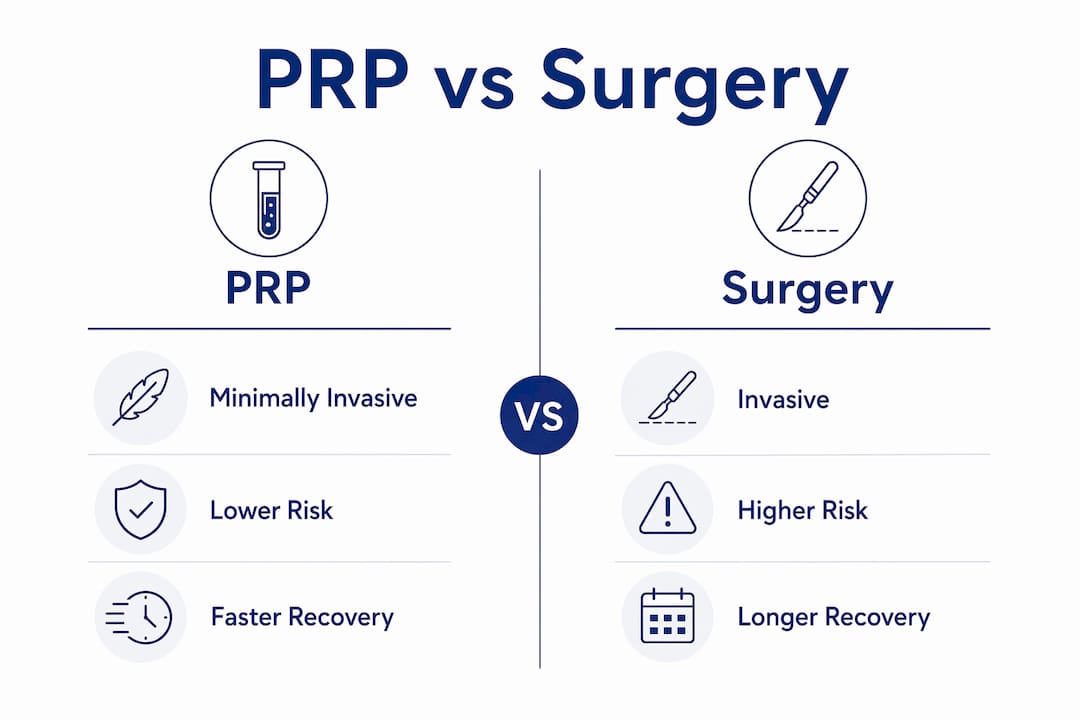
The practical trade-offs between PRP and surgery are real, and they matter differently depending on your situation. The table below maps the dimensions patients most often ask about.
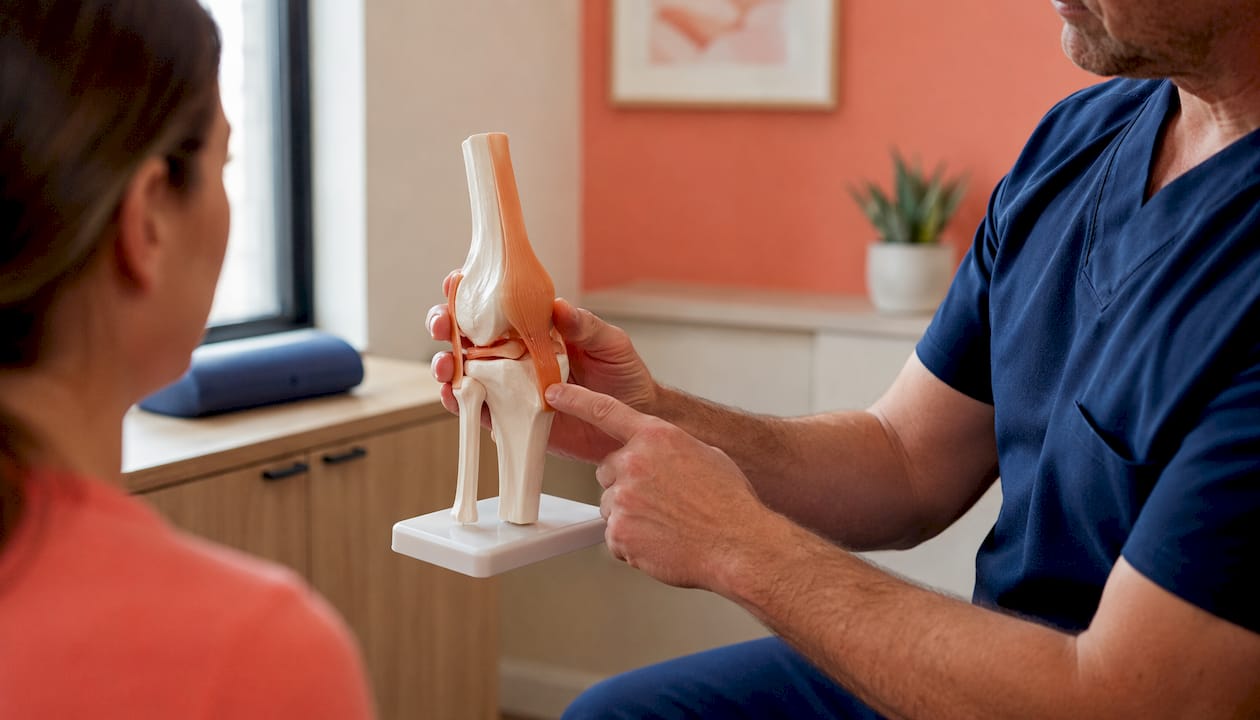
| Dimension | PRP | Surgery |
|---|---|---|
| Invasiveness | Injection only; no incision | Incision required; tissue disruption |
| Anesthesia / perioperative risk | Local anesthetic or none | General or regional anesthesia; perioperative risk |
| Recovery time | Days to weeks of activity modification | Weeks to months of restricted activity and formal rehab |
| Evidence strength | Strongest for knee OA and lateral epicondylitis; variable by condition | Strong for structural repairs (ACL, full rotator cuff tears) |
| Risks / complications | Injection-site soreness, infection risk (low), temporary flare | Infection, nerve damage, anesthesia risk, scar tissue, DVT |
| Repeatability | Can be repeated if needed | Major surgical revision is a significant undertaking |
| Cost / insurance | Often out-of-pocket; limited coverage | Covered by most insurance when medically necessary; higher total cost |
| Time to symptom improvement | Weeks to months | Variable; post-surgical rehab adds months |
Three practical takeaways from that comparison:
- When faster return to activity is the priority, PRP’s shorter downtime is a genuine advantage — especially for patients who cannot afford weeks off work or sport.
- When structural repair is required, surgery is not optional. No amount of growth factors will reattach a fully retracted tendon or restore ligament continuity after a complete rupture.
- When you’re weighing total cost, factor in the full surgical episode — facility fees, anesthesia, surgeon fees, and months of physical therapy — against the cost of one to three PRP sessions plus rehab. The math is not always as lopsided as it first appears.
For a deeper look at how PRP compares to traditional treatments, including pharmacologic options, the Nortextissueregeneration blog covers the key distinctions in plain language.
What does the research show, condition by condition?
The evidence for PRP is not uniform. It’s strongest in a few specific conditions and considerably weaker in others. Here’s where the research currently stands.
Knee osteoarthritis
This is where PRP has the most consistent support. A meta-analysis of 78 randomized controlled trials involving 5,308 patients found significant pain reduction at 3 months, with benefits sustained to 1 year. Knee osteoarthritis and lateral epicondylitis showed the strongest and most consistent effects in that pooled analysis.
Lateral epicondylitis (tennis elbow)
In a prospective randomized trial for refractory tennis elbow, PRP and surgery produced equivalent functional outcomes at 12 months, though surgery had slightly better pain scores. Notably, 70% of patients in the PRP group avoided surgery within a year. For patients who want to try a non-surgical path first, that crossover rate is meaningful.
Plantar fasciitis
A randomized trial comparing PRP to partial plantar fasciotomy found similar pain scores between groups, with PRP patients showing higher activity scores, shorter recovery, and lower complication rates at one year. For chronic plantar fasciitis that hasn’t responded to conservative care, PRP is a defensible first surgical-alternative step.
Rotator cuff injuries
Evidence here is more nuanced. PRP may support healing in partial-thickness tears and as an adjunct to surgical repair, but full-thickness rotator cuff tears with tendon retraction generally require surgical reconstruction. PRP alone is unlikely to restore structural continuity in that setting.
ACL and meniscal injuries
For complete ACL ruptures, particularly in younger, active patients, surgery remains the standard of care. A clinical trial comparing PRP injection to arthroscopic ACL reconstruction found surgical patients had significantly lower pain and higher range of motion at 14 months. PRP may be appropriate for older, less active patients with ACL injuries where surgery carries higher risk relative to benefit. For meniscal injuries, evidence is mixed and highly dependent on tear type and location.
Statistic to know: The 78-RCT meta-analysis found clinically meaningful pain reduction for PRP at both 3 months and 1 year — but that benefit was concentrated in specific indications. Applying those results broadly to every musculoskeletal condition overstates what the evidence actually supports.
The real benefits and limitations of choosing PRP
Understanding the advantages of PRP therapy requires being honest about where it delivers and where it falls short. We see patients every week who come in after reading oversimplified summaries in either direction, and the reality sits somewhere more nuanced.
Genuine benefits:
- Minimally invasive with no incision, no general anesthesia, and no hospital stay
- Lower immediate complication risk compared to surgical procedures
- Shorter downtime — most patients return to light activity within days
- Autologous origin means no risk of allergic reaction or disease transmission
- Can be repeated if the first treatment provides partial but incomplete relief
- For joint pain and injuries, PRP may delay or prevent the need for surgery in appropriate candidates
Real limitations:
- Efficacy varies significantly by condition — strong evidence for some, weak or absent for others
- Benefit onset is slow; patients who expect rapid relief are often disappointed
- Most insurance plans, including Medicare for musculoskeletal uses, do not cover PRP — out-of-pocket costs add up across multiple sessions
- Some patients need two or three treatments to achieve meaningful improvement
- PRP cannot repair structural damage that requires surgical reconstruction
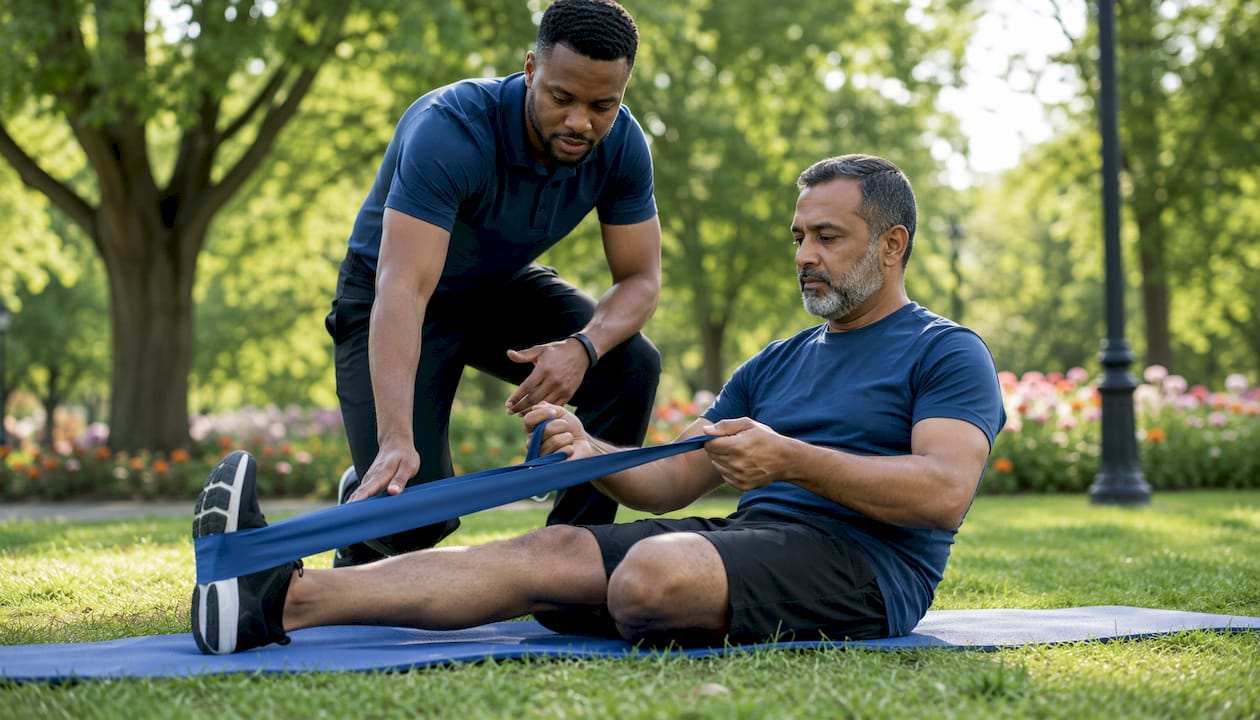
Pro Tip: Combining PRP with a structured physical therapy program consistently produces better outcomes than PRP alone. The injection initiates the healing response; rehabilitation guides the tissue through proper loading and remodeling. Skipping rehab after PRP is one of the most common reasons patients don’t get the results they were hoping for.
Who is a good candidate for PRP, and when does surgery make more sense?
Patient selection is where the decision gets specific. In our experience, the patients who do best with PRP share a fairly consistent profile — and the ones who need surgery usually have clear signals that point that direction.
Positive candidate signals for PRP:
- Degenerative tendinopathy (patellar, Achilles, lateral epicondyle) without major structural failure
- Early-to-moderate knee osteoarthritis with preserved joint space
- Chronic plantar fasciitis that hasn’t responded to physical therapy, orthotics, or steroid injections
- Partial-thickness rotator cuff tears in patients who are not surgical candidates or prefer to try conservative options first
- Older or lower-activity patients with ACL injuries where surgical risk outweighs benefit
- Structurally stable joints with pain and functional limitation as the primary complaint
Red flags that favor surgery:
- Full-thickness rotator cuff tears with tendon retraction
- Complete ACL rupture in a young, active patient requiring knee stability for sport or work
- Joint instability that cannot be managed conservatively
- Severe joint deformity or bone-on-bone arthritis requiring replacement
- Rapid or progressive functional loss that cannot wait for a slow-onset treatment
Checklist to bring to your consultation:
- All imaging reports (MRI, X-ray) with dates
- List of prior treatments tried and their outcomes (physical therapy, steroid injections, NSAIDs)
- Your activity level and functional goals
- Any medications that might affect healing or clotting
- Questions about expected number of injections and what happens if PRP doesn’t work
What we tell patients: PRP is not a substitute for surgery when surgery is truly indicated. It’s a legitimate first option when the structural situation allows it — and for the right patient, it can provide meaningful relief without the risks and recovery time that come with an operation.
For patients with arthritis specifically, the PRP for arthritis resource from Nortextissueregeneration walks through the evidence and selection criteria in more detail.
What happens during a PRP appointment, and how does recovery compare?
A PRP visit is straightforward. Most appointments run 45–60 minutes from start to finish, and patients typically drive themselves home.
- Consent and review — your provider reviews your imaging, confirms the injection site, and explains the procedure
- Blood draw — typically 15–60 mL from a peripheral vein, similar to a standard lab draw
- Centrifuge processing — the blood is spun for 10–15 minutes to separate and concentrate the platelets
- Injection — the PRP is injected into the target tissue, often under ultrasound guidance for precision
- Post-procedure instructions — activity restrictions, NSAID avoidance, and follow-up scheduling
For a detailed phase-by-phase breakdown of what to expect after the injection, the PRP recovery guide at Nortextissueregeneration covers each stage of healing.
Recovery and outcome timeline: PRP vs. common surgical procedures
| Timeframe | PRP | Surgery (e.g., rotator cuff repair, knee arthroscopy) |
|---|---|---|
| Day of procedure | Soreness, mild swelling at injection site; drive home same day | Recovery room; arrange transport; possible overnight stay |
| Week 1–2 | Activity modification; avoid NSAIDs; light movement encouraged | Immobilization or restricted weight-bearing; pain management |
| Weeks 3–6 | Gradual return to activity; physical therapy begins | Formal physical therapy begins; still restricted |
| 3 months | Many patients notice meaningful improvement | Functional recovery often still in progress |
| 6–12 months | Full benefit typically realized; repeat injection if needed | Most patients reach functional plateau; some residual limitations |
Post-procedure recommendations:
- Avoid NSAIDs (ibuprofen, naproxen) for approximately two weeks before and after the injection — they blunt the inflammatory healing response PRP depends on. Acetaminophen is the preferred alternative for pain control during that window.
- Begin physical therapy as directed; loading the tissue appropriately during healing is important
- Avoid high-impact activity at the injection site for the first 1–2 weeks
What does PRP cost in the U.S., and will insurance cover it?
Cost is one of the most common questions we hear, and the honest answer requires some nuance.
PRP sessions in the United States typically vary in cost per injection depending on the provider, region, and whether imaging guidance is used. Many conditions require multiple sessions to achieve the desired outcome, so total out-of-pocket costs can be substantial.
Insurance and Medicare realities:
- Medicare covers PRP only for chronic wound treatment, not for musculoskeletal conditions like tendinopathy or osteoarthritis
- Most private insurers classify musculoskeletal PRP as investigational and deny coverage
- Because PRP is an autologous biologic rather than an approved drug, it does not fit neatly into standard pharmaceutical coverage frameworks
- Some flexible spending accounts (FSAs) and health savings accounts (HSAs) may cover PRP — check with your plan administrator
Practical financial steps:
- Request a preauthorization letter from your insurer before scheduling, even if denial is likely — you’ll need documentation for appeals or FSA reimbursement
- Ask for an itemized estimate that separates the injection fee, imaging guidance fee, and any facility charges
- Compare the total episode cost: two or three PRP sessions plus physical therapy versus a surgical episode that includes facility, anesthesia, surgeon, and 3–6 months of formal rehab
- Some patients find that the total cost of a conservative PRP course is lower than the out-of-pocket portion of a covered surgical procedure, depending on their deductible and plan structure
Statistic to know: Medicare’s coverage restriction to chronic wounds — while excluding most musculoskeletal PRP uses — reflects the investigational designation that most payers apply. That status can change as evidence accumulates, but plan for out-of-pocket costs today.
How do you choose a PRP provider, and what should you ask?
Not all PRP protocols are equivalent. The preparation method, platelet concentration, injection technique, and follow-up plan all influence outcomes. Choosing a provider carefully matters more than most patients realize.
Questions to ask at your consultation:
- What centrifuge system and preparation protocol do you use, and what platelet concentration does it typically achieve?
- Are injections performed under ultrasound or fluoroscopic guidance?
- How many injections do you recommend for my condition, and what is the interval between them?
- What physical therapy or rehabilitation plan accompanies the treatment?
- What are the realistic expected outcomes for my specific condition and imaging findings?
- If PRP doesn’t provide adequate relief, what is the next step?
Red flags to watch for:
- Guaranteed results or promises of specific percentage improvement
- No imaging review before recommending treatment
- No follow-up plan or outcome tracking after the injection
- Vague billing with no itemized breakdown
- No discussion of what happens if PRP fails
What good documentation and consent should include:
- Your diagnosis and imaging findings reviewed with the provider
- The specific PRP protocol being used
- Realistic outcome ranges and timeline
- Written post-procedure instructions including NSAID avoidance and activity restrictions
- A clear follow-up schedule
What we’ve found: The providers who produce the most consistent outcomes are the ones who are equally clear about when PRP is not the right answer. If a clinician recommends PRP for every patient regardless of imaging findings, that’s worth questioning.
How Nortextissueregeneration approaches PRP for its patients
At Nortextissueregeneration, we don’t start with PRP as the default. We start with a thorough evaluation — reviewing your imaging, your treatment history, your activity goals, and your overall health — and then we recommend what the evidence and your clinical picture actually support.
Our approach to PRP includes:
- A detailed intake that reviews prior conservative treatments and imaging before any recommendation is made
- Evidence-informed protocols with attention to preparation quality and injection technique
- Image-guided injections where clinically appropriate to improve accuracy
- A coordinated rehabilitation plan, because PRP without structured loading and movement rarely achieves its potential
- Clear follow-up scheduling to assess response and adjust the plan
- Honest conversations about when surgery is the better path — we refer patients for surgical evaluation when the clinical picture calls for it
What patients can expect from an evaluation at Nortextissueregeneration: a candid discussion of your options, realistic timelines, and a treatment plan that fits your goals — not a one-size-fits-all protocol. Our PRP therapy page outlines the service in detail, including what to bring to your first appointment.
For patients exploring options beyond PRP, Nortextissueregeneration also offers stem cell therapy and other biologic treatments for patients who may benefit from a different regenerative approach.
Key Takeaways
PRP is a reasonable non-surgical alternative for specific musculoskeletal conditions — particularly knee osteoarthritis and tendinopathies — but structural failures requiring repair still favor surgery.
| Point | Details |
|---|---|
| PRP works best for specific conditions | Strongest evidence for knee osteoarthritis and lateral epicondylitis; weaker for structural tears. |
| Recovery is faster with PRP | Most patients return to light activity within days versus weeks to months after surgery. |
| Expect delayed benefit | Meaningful improvement typically takes weeks to months; early soreness is normal and expected. |
| Plan for out-of-pocket costs | Medicare and most insurers classify musculoskeletal PRP as investigational; budget accordingly. |
| Nortextissueregeneration offers individualized evaluation | The clinic reviews imaging and history before recommending PRP, and refers for surgery when indicated. |
A perspective on how patients actually make this decision
Most patients who come to us weighing PRP against surgery are not looking for someone to make the decision for them. They want enough information to ask the right questions and feel confident in whatever path they choose. That’s a reasonable thing to want, and it’s something we try to support directly.
What we’ve noticed over time is that the patients who do best — regardless of whether they choose PRP or surgery — are the ones who go in with clear expectations. The ones who struggle are usually those who were told PRP would “fix” them in a few weeks, or who were told surgery was the only option without any discussion of conservative alternatives. Both of those framings do patients a disservice.
The honest picture is this: PRP is a legitimate treatment with real evidence behind it for certain conditions. It is not a miracle, and it is not appropriate for every injury. Surgery is sometimes necessary and, when it is, delaying it with repeated conservative treatments can occasionally make the eventual surgical outcome worse. A good clinician will tell you both of those things plainly.
If you’re sitting with an MRI report and a referral to an orthopedic surgeon, the most useful thing you can do is ask specifically whether your structural findings require surgical repair or whether a trial of conservative biologics is reasonable first. That question alone will tell you a lot about how your provider thinks.
Nortextissueregeneration can help you evaluate your options
Patients who come to Nortextissueregeneration for a PRP evaluation get a straightforward process: a clinical review of your imaging and history, an honest assessment of whether PRP fits your condition, and a clear plan — including what happens next if it doesn’t. There are no scripts and no pressure. If surgery is the right answer for you, we’ll tell you that directly and help you find the right referral.
If you’re ready to find out whether PRP is appropriate for your situation, the PRP therapy evaluation at Nortextissueregeneration is a good starting point. Bring your imaging, your list of prior treatments, and your questions. That’s all you need to have a productive first conversation.
Useful sources and further reading
- Impact of Platelet-Rich Plasma Use on Pain in Orthopaedic Surgery: A Systematic Review and Meta-analysis — 78-RCT meta-analysis; primary evidence base for PRP in knee OA and lateral epicondylitis
- Comparing leukocyte-rich PRP injection with surgical intervention for refractory tennis elbow — randomized trial showing equivalent function and 70% surgery avoidance in PRP arm at 12 months
- Comparison of PRP and partial plantar fasciotomy in chronic plantar fasciitis — trial showing similar pain outcomes with better activity scores and shorter recovery for PRP
- PRP vs. arthroscopic surgery for ACL rupture — clinical trial showing surgical superiority for pain and ROM in active patients; PRP appropriate for older, lower-activity patients
- Platelet-Rich Plasma (PRP Injection) — Cleveland Clinic — patient-facing overview of mechanism, expected timeline, and side effects
- PRP Treatment — Washington University Orthopedics — clinical program description including NSAID guidance and coverage realities
- Platelet-Rich Plasma Treatment — Johns Hopkins Medicine — explanation of autologous biologic status and investigational designation
- PRP Recovery Timeline — Nortextissueregeneration — patient-focused guide to what to expect week by week after a PRP injection
- Benefits of PRP Injections for Joint Pain Relief — Nortextissueregeneration — condition-specific overview of PRP applications and patient selection
FAQ
Is PRP better than surgery for joint pain?
PRP is a reasonable alternative to surgery for specific conditions — particularly knee osteoarthritis and tendinopathies — where a meta-analysis of 78 randomized trials found sustained pain reduction to one year. For structural failures like complete ACL tears or full-thickness rotator cuff tears with retraction, surgery typically produces better functional outcomes.
Why are physicians recommending PRP more often?
PRP offers a minimally invasive option with lower perioperative risk and shorter recovery than surgery, and the evidence base has grown substantially over the past decade. For conditions like lateral epicondylitis, 70% of PRP patients avoided surgery within 12 months in a prospective randomized trial, which makes it a defensible first step before committing to an operation.
What are the downsides of PRP injections?
The main limitations are variable efficacy by condition, slow onset of benefit (weeks to months), and limited insurance coverage. Medicare covers PRP only for chronic wounds, not musculoskeletal uses, so most patients pay out of pocket. Early soreness after injection is expected and normal.
Does PRP work for older patients?
Yes, in appropriate cases. Older, lower-activity patients with ACL injuries or moderate knee osteoarthritis are often better candidates for PRP than younger athletes, partly because surgical risk increases with age and activity demands differ. A clinical trial comparing PRP to ACL surgery found that older patients with lower activity levels benefited more from PRP relative to the surgical group.
How does Nortextissueregeneration decide whether to recommend PRP or surgery?
Nortextissueregeneration reviews each patient’s imaging, treatment history, and functional goals before making any recommendation. When structural findings require surgical repair, the clinic refers patients for surgical evaluation rather than defaulting to PRP. The PRP therapy evaluation is designed to give patients a clear, honest picture of their options.
Recommended
- What Makes PRP Therapy Different from Traditional Treatments? – Nortex Tissue Regeneration
- PRP Therapy for Arthritis: Can It Help You Avoid Joint Surgery? – Nortex Tissue Regeneration
- PRP Therapy for Hip Pain: What Patients Need to Know – Nortex Tissue Regeneration
- PRP Therapy for Knee Pain: A Real Alternative to Surgery – Nortex Tissue Regeneration