

The most effective approach to natural joint healing combines graded exercise, weight management, and quality sleep as your daily foundation, then adds clinically supervised regenerative care when conservative measures plateau. Start with 20–30 minutes of low-impact aerobic activity most days, address excess body weight, and prioritize 7–9 hours of sleep. If you experience joint instability, mechanical locking, progressive weakness, or significant swelling that does not settle within a few days, those are clear signals to book a clinical evaluation rather than wait. Bring recent imaging and a list of prior treatments to your first appointment. Nortextissueregeneration, based in North Texas, offers physician-supervised regenerative options for patients at exactly this crossroads. The ACR/Arthritis Foundation guideline makes a strong recommendation for exercise and weight loss as the core of any osteoarthritis management plan, before or alongside any injection-based therapy.
Red flags that warrant prompt evaluation:
- Sudden loss of joint stability or mechanical locking
- Fever with joint swelling (possible infection)
- Rapidly worsening swelling or progressive neurologic symptoms
- Failure to improve after 6–8 weeks of consistent conservative care
Table of Contents
- What are the best tips for natural joint healing?
- Which regenerative treatments are available, and what does the evidence say?
- Who is likely to benefit, and what should prompt caution?
- How do you combine home care with clinic-delivered regenerative treatment?
- What should you realistically expect: timelines, risks, and costs?
- How do you choose a reputable regenerative clinic in North Texas?
- Key Takeaways
- What we’ve seen in practice
- Nortextissueregeneration: medically supervised regenerative care in North Texas
- Useful sources
- FAQ
What are the best tips for natural joint healing?
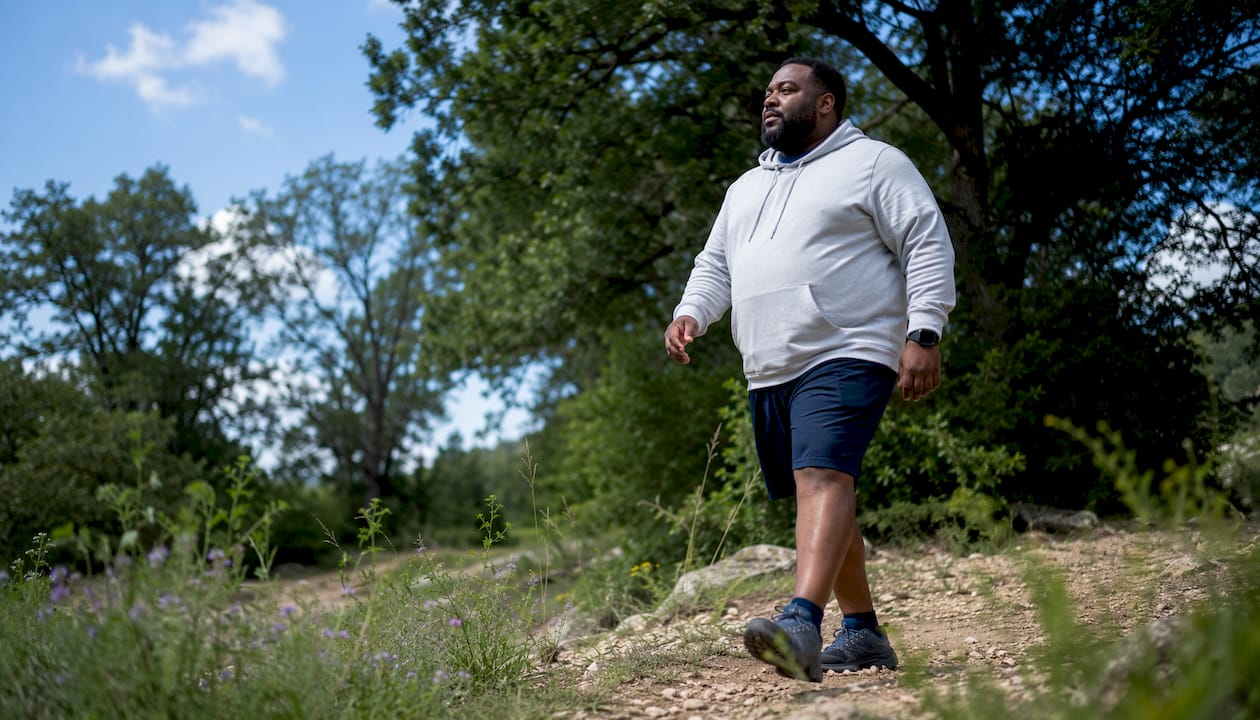
Exercise, weight management, and structured self-management are the foundation of joint recovery, and the evidence for this is about as strong as it gets in musculoskeletal medicine. That foundation does not change when you add regenerative procedures to the plan. It becomes more important.
Exercise types that consistently help:
- Aerobic activity (walking, swimming, cycling): reduces pain and improves function without overloading cartilage
- Progressive strengthening: quadriceps strengthening, for example, increases muscle fiber density and reduces subchondral inflammation
- Range-of-motion and flexibility work: tai chi has shown measurable benefits for both pain and function in knee osteoarthritis
Weight loss matters more than most patients expect. Research on knee osteoarthritis shows that every pound lost reduces the mechanical load on the knee joint by three to six times. For patients managing weight with GLP-1 medications, preserving muscle mass during weight loss is worth specific attention.
Sleep is often the overlooked variable. Tissue repair happens primarily during deep sleep, and poor sleep quality raises systemic inflammation, which slows healing. Seven to nine hours is the clinical target.
On nutrition: omega-3 fatty acids (found in fatty fish and fish oil supplements) have reasonable evidence for reducing joint inflammation. Vitamin D supplementation is worth checking if you are deficient. Glucosamine and chondroitin have mixed long-term evidence; a clinician can help you weigh whether they fit your situation.
Pro Tip: If you are waiting for a clinic evaluation, start with 15–20 minutes of walking or pool exercise daily. Keep a simple pain log (0–10 scale, morning and after activity) to bring to your appointment. That data helps your clinician calibrate your starting point.
Which regenerative treatments are available, and what does the evidence say?
Regenerative therapies work by modulating the joint environment to reduce inflammation and improve function. They are not a reliable cartilage-regrowth cure, and setting that expectation clearly is something we consider a core part of honest patient care.
| Modality | Typical Indications | Evidence Strength | Key Caveats |
|---|---|---|---|
| Platelet-Rich Plasma (PRP) | Knee OA, tendinopathy, ligament injury | Moderate | Preparation variability affects outcomes; often self-pay |
| BMAC / Stem Cell (bone marrow aspirate concentrate) | Moderate OA, cartilage lesions | Limited–Moderate | Largely investigational; off-label for many uses |
| Prolotherapy (dextrose) | Ligament laxity, tendinopathy, OA | Limited–Moderate | Off-label; cost-effective; multiple sessions typical |
| Hyaluronic Acid (viscosupplementation) | Knee OA | Moderate | FDA-cleared for knee OA; insurance often covers |
| SoftWave / Shockwave Therapy | Tendinopathy, plantar fasciitis | Moderate | Non-invasive; no injection required |
| EMTT | Tendon and joint conditions | Limited | Emerging evidence; non-invasive |
PRP is drawn from your own blood, concentrated, and injected into the affected joint or tendon. It can increase type II collagen synthesis and reduce inflammatory mediators. For knee osteoarthritis, PRP tends to provide more durable symptom relief than corticosteroid injections. Leukocyte-poor PRP appears better suited to OA; leukocyte-rich preparations tend to perform better for tendinopathy. That distinction matters, and any clinic you work with should be transparent about which preparation they use.
BMAC concentrates cells from your own bone marrow. Many cell-based therapies remain investigational or off-label, and insurance coverage is limited. The evidence is promising but still maturing.
Prolotherapy uses hypertonic dextrose to stimulate a local healing response. It is particularly useful for ligament laxity and refractory tendinopathies. Dextrose is FDA-approved for injection but used off-label for prolotherapy.
Hyaluronic acid (viscosupplementation) is FDA-cleared for knee OA and has a well-established safety record. Pain relief typically begins at 3–5 weeks and can persist for 5–13 weeks or longer.
SoftWave and shockwave therapy deliver acoustic energy to stimulate tissue repair without needles. They are a reasonable option for tendon conditions and patients who prefer a non-injection approach.
EMTT uses pulsed electromagnetic energy and is gaining traction for joint and tendon conditions, though the evidence base is still developing.
Who is likely to benefit, and what should prompt caution?
Candidacy depends on disease stage, BMI, mechanical alignment, and the precise pathology involved. A focal tendon lesion responds differently than diffuse cartilage loss. Orthobiologic therapies appear most effective in earlier or moderate disease stages, and patient selection is a stronger predictor of outcome than the therapy itself.
Factors associated with better outcomes:
- Earlier-stage osteoarthritis (mild to moderate)
- Lower BMI and good baseline activity level
- Focal tendon or ligament lesion rather than diffuse joint degeneration
- No significant mechanical malalignment
Factors that may limit results:
- Advanced OA with severe cartilage loss
- High BMI without a concurrent weight-management plan
- Significant joint malalignment that has not been addressed
- Systemic inflammatory conditions that require separate management
Seek urgent evaluation if you notice: sudden joint instability, mechanical locking, fever with swelling, rapidly increasing effusion, or progressive neurologic symptoms like weakness or numbness. These signs can indicate problems that may require surgical assessment rather than regenerative care.
How do you combine home care with clinic-delivered regenerative treatment?
Combining graded exercise, weight optimization, and sleep hygiene with clinic procedures consistently produces better outcomes than injections alone. The rehab plan around a procedure matters as much as the procedure itself.
Before your procedure:
- Discuss NSAID use with your clinician; some procedures that rely on the body’s inflammatory response (such as prolotherapy) may call for a brief pause in anti-inflammatory medications
- Complete any baseline imaging your clinician requests
- Optimize sleep and nutrition in the weeks before
- Begin or continue a physical therapy program if cleared
Post-procedure progression:
- Days 0–3: Protect the joint. Manage pain with ice and acetaminophen as directed. Avoid heavy loading.
- Days 4–14: Begin gentle range-of-motion and light walking. Pain should be settling.
- Weeks 3–6: Progressive strengthening under PT guidance. This is where the rehabilitation framework does its real work.
- Weeks 7 and beyond: Gradual return to full activity, sport, or occupational demands based on clinician clearance.
What should you realistically expect: timelines, risks, and costs?
Many patients notice meaningful symptom change between 4 and 12 weeks after a regenerative procedure. Some benefits, particularly with PRP for knee OA, can persist for up to 12 months. Structural regeneration is less predictable and should not be the primary expectation.
Common side effects: temporary soreness and local inflammation at the injection site, lasting a few days. Infection is rare but possible with any injection. Serious adverse events are uncommon when procedures are performed under image guidance by a trained clinician.
Cost and insurance: Hyaluronic acid injections are often covered by insurance for knee OA. PRP and BMAC are typically self-pay, as most insurers classify them as investigational. Ask the clinic for a written estimate before scheduling.
Questions to bring to your consultation:
- What PRP preparation do you use, and why is it appropriate for my condition?
- Will injections be performed under ultrasound or fluoroscopic guidance?
- What does the post-procedure rehab plan look like?
- What outcomes data do you track for patients like me?
- What are the realistic alternatives, including surgery, if this does not work?
Informed consent should be a real conversation, not a form to sign quickly. If a clinic cannot explain the investigational status of a therapy clearly, that is worth noting.
How do you choose a reputable regenerative clinic in North Texas?
Choose clinics that publish protocol details, use image guidance, provide physician oversight, and share candid outcome data. That combination is not universal, and it is worth asking directly.
Checklist for evaluating a clinic:
- Board-certified physician leading the clinical team
- Ultrasound or fluoroscopic guidance for injections
- Transparent PRP or BMAC preparation details (platelet concentration, leukocyte content)
- Written informed consent that addresses investigational status
- A clear post-procedure rehab plan, not just an injection and a follow-up appointment
- Published patient education resources and accessible follow-up care
Red flags: guaranteed cure language, no medical oversight, injections performed without imaging guidance, aggressive upselling of multiple therapies at the first visit, and no system for tracking patient outcomes.
In Texas, regenerative medicine procedures must be performed or directly supervised by a licensed physician. Ask about the supervising clinician’s credentials and whether the clinic has experience with your specific condition.
Pro Tip: Before your first appointment, check whether the clinic publishes its treatment protocols or outcome data online. A clinic confident in its results does not hide the details.
Key Takeaways
Natural joint healing works best when evidence-based self-care and clinically supervised regenerative treatment are combined under physician guidance, not treated as separate paths.
| Point | Details |
|---|---|
| Exercise and weight loss first | Graded exercise and weight management are the foundation; every pound lost reduces the mechanical load on the knee joint significantly. |
| PRP durability over steroids | PRP for knee OA is associated with more durable symptom relief compared to corticosteroid injections. |
| Candidacy drives outcomes | Earlier disease stage, lower BMI, and focal pathology predict better results from regenerative therapies. |
| Realistic timelines | Most patients see symptom change at 4–12 weeks; some PRP benefits can last up to 12 months. |
| Nortextissueregeneration | Offers physician-supervised PRP, BMAC, prolotherapy, SoftWave, and EMTT with protocol transparency and individualized rehab plans in North Texas. |
What we’ve seen in practice
The patients who do best are rarely the ones who arrive expecting a single injection to fix everything. What we’ve found is that the most consistent outcomes come from combining targeted rehab with one well-selected biologic procedure, matched carefully to the patient’s disease stage and lifestyle. Many patients come in after trying anti-inflammatories and rest for months, sometimes years, without a structured plan. When we add graded exercise, address weight where relevant, and then layer in a procedure like PRP or prolotherapy at the right moment, the results are meaningfully better than either approach alone. Regenerative medicine is not a shortcut. It is a tool that works best in the right hands, at the right stage, with the right patient doing the work around it.
Nortextissueregeneration: medically supervised regenerative care in North Texas
Patients dealing with chronic joint pain or a slow-healing injury often reach us after months of managing symptoms without a clear plan. What sets Nortextissueregeneration apart is physician oversight at every step: your evaluation includes a review of imaging, a precise diagnosis, and a treatment plan built around your specific pathology, not a standard menu.
The clinic offers PRP therapy, bone marrow cell therapy, prolotherapy, SoftWave acoustic therapy, and EMTT, all delivered with transparent protocols and image-guided injection technique. Every patient receives a post-procedure rehab plan, not just a follow-up appointment. To schedule a consultation, contact Nortextissueregeneration directly and bring your most recent imaging and a summary of prior treatments. The first step is a thorough evaluation, not a sales conversation.
Useful sources
- EULAR/ARD Osteoarthritis Management Guideline (BMJ/ARD): practice guideline covering exercise, weight loss, and self-management as core OA treatment
- ACR/Arthritis Foundation OA Guideline: strong recommendations for exercise and weight loss; conditional guidance on injectables
- Regenerative Therapy in Pain (StatPearls/NCBI): clinical overview of PRP, viscosupplementation, prolotherapy, and stem cells including FDA status
- Orthobiologics in Knee OA (Springer): systematic review on patient selection, staging, and PRP preparation variability
- HSS Patient Guide to Regenerative Medicine: authoritative patient-facing summary of realistic expectations for regenerative therapies
- Interventional Orthobiologics Rehabilitation (PMC): clinical commentary on staged rehab frameworks after regenerative procedures
- Current Non-surgical Management of Knee OA (PMC): comprehensive review of non-surgical options including exercise, injections, and weight loss
FAQ
What are the first steps for natural joint healing at home?
Start with daily low-impact aerobic exercise, address excess body weight, and prioritize 7–9 hours of sleep. These three measures have the strongest evidence base for reducing joint pain and slowing degeneration.
When should joint pain prompt a clinic visit instead of home care?
Seek evaluation if you experience joint instability, mechanical locking, fever with swelling, or no meaningful improvement after 6–8 weeks of consistent conservative care.
How long does PRP therapy take to show results?
Most patients notice symptom change between 4 and 12 weeks after a PRP injection, with some benefits for knee osteoarthritis lasting up to 12 months, though individual results vary.
Is PRP covered by insurance for joint pain?
Hyaluronic acid injections are often covered by insurance for knee OA, but PRP and BMAC are typically classified as investigational and require out-of-pocket payment. Ask your clinic for a written cost estimate before scheduling.
Does Nortextissueregeneration offer non-injection regenerative options?
Yes. Nortextissueregeneration offers SoftWave acoustic therapy and EMTT alongside injection-based treatments like PRP and prolotherapy, giving patients non-invasive options when appropriate for their condition.