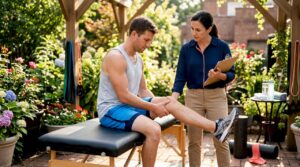
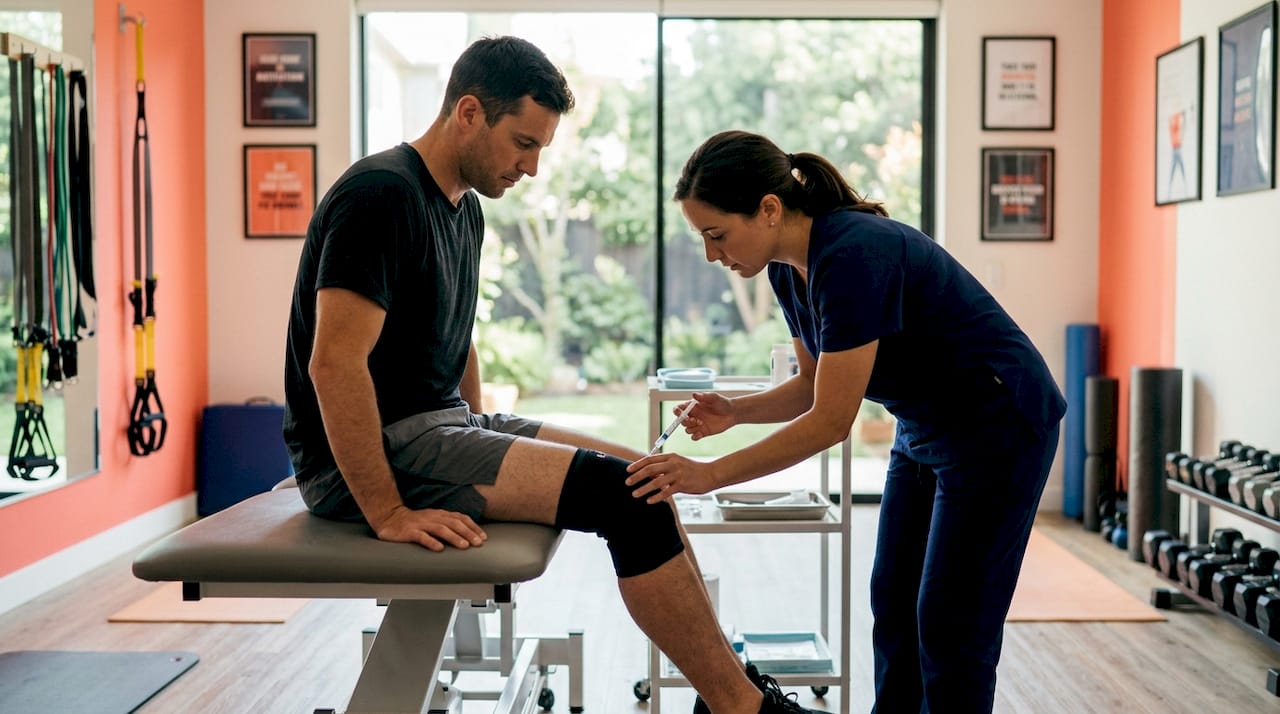
Biologic therapies for athletes are treatments that use the body’s own cells and proteins to repair damaged tissue, reduce pain, and restore function after injury. The two most established options in sports medicine are platelet-rich plasma (PRP) and stem cell therapy, both of which work by amplifying the body’s natural repair signals rather than masking symptoms. A 2026 systematic review of 23 randomized controlled trials confirms that both PRP and stem cells produce clinically meaningful improvements in pain and joint function. These are not experimental novelties. They are evidence-backed tools that, when applied correctly, can meaningfully shorten the road back to full activity.
1. What are biologic therapies for athletes?
Biologic therapies, formally called orthobiologics, are treatments derived from autologous sources, meaning they come from your own blood, bone marrow, or adipose tissue. The goal is to concentrate healing compounds and deliver them precisely to the site of injury. PRP and stem cell therapy are the two most widely studied and clinically applied options in sports medicine today.
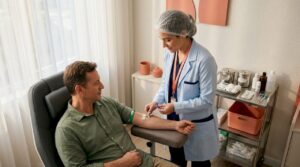
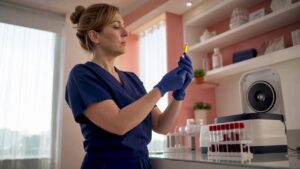
- Platelet-rich plasma (PRP): Blood is drawn, spun in a centrifuge to concentrate platelets, and injected into the injured area. Platelets release growth factors that signal tissue repair and recruit immune cells to the site.
- Stem cell therapy: Cells are harvested from bone marrow or fat tissue, processed, and injected to support tissue regeneration. Stem cells have the potential to differentiate into cartilage, tendon, or muscle cells depending on the environment.
- Combination therapy: PRP combined with stem cells can produce superior outcomes for certain conditions compared to either therapy alone.
The mechanism behind both therapies is increasingly understood through an immune-centric lens. Rather than simply flooding tissue with growth factors, PRP modulates immune cell activity, shifting the local environment from an inflammatory state to a reparative one. This distinction matters because it explains why these therapies work differently depending on the stage of injury and the tissue type involved.
Pro Tip: Ask your provider whether leukocyte-poor or leukocyte-rich PRP is being used. Leukocyte-poor PRP is generally preferred for joint injections to reduce post-injection flare while preserving therapeutic effect.
2. What does the clinical evidence say?
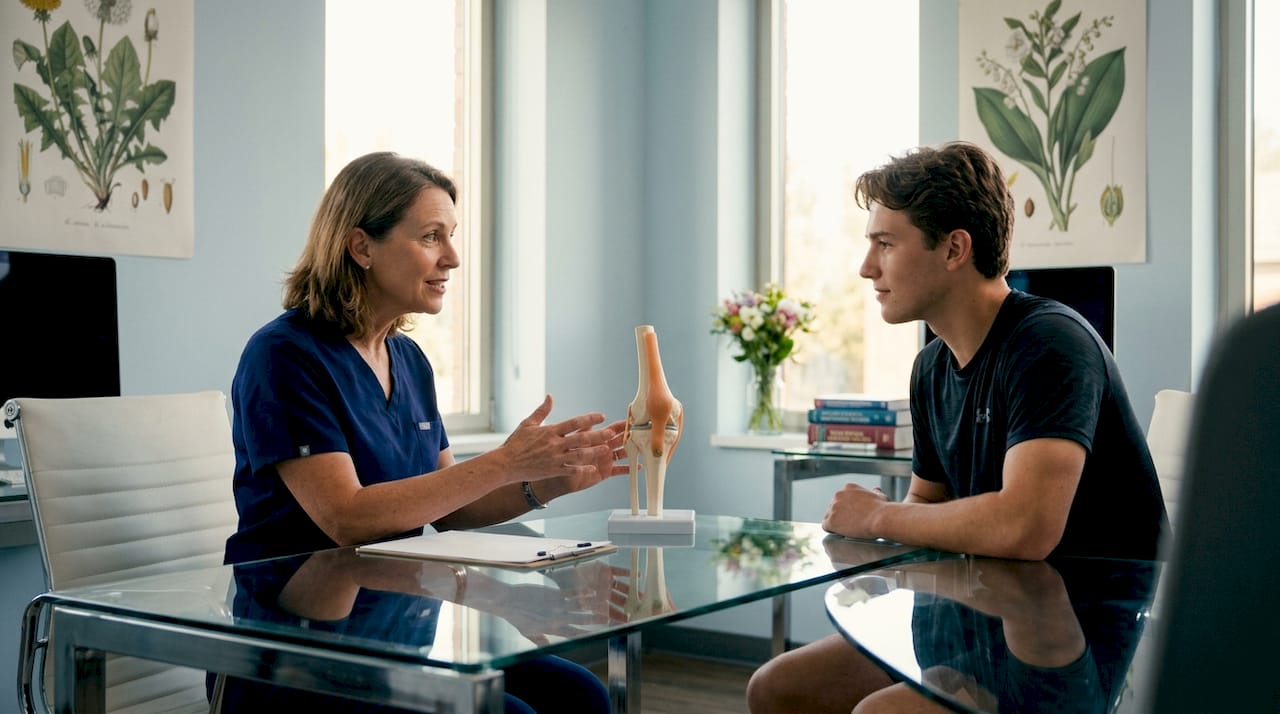
The strongest evidence for orthobiologic treatments comes from conditions like knee osteoarthritis, tendon injuries, and plantar fasciitis. A 2026 systematic review found that PRP produces earlier pain relief, while stem cell therapy tends to support more sustained regenerative effects over time. That distinction is clinically useful when deciding which therapy fits your injury and timeline.
“PRP and stem cell therapies consistently demonstrate clinically meaningful improvements in pain reduction and joint function for musculoskeletal conditions, with a 2026 systematic review of 23 randomized controlled trials confirming PRP facilitates earlier pain relief and stem cells underpin sustained regenerative effects.”
Management of Platelet-Rich Plasma and Stem Cells vs. Conventional Treatments
Results do vary. Protocol differences, patient selection, and how well rehab is integrated all affect outcomes. The effectiveness of biologic treatments is highly indication-specific. A therapy that works well for a rotator cuff tendinopathy may not produce the same result for a full-thickness cartilage defect.
| Condition | Therapy with strongest evidence | Typical outcome |
|---|---|---|
| Knee osteoarthritis | PRP, stem cells | Pain reduction, improved mobility |
| Tendon injuries (Achilles, patellar) | PRP | Reduced pain, earlier return to load |
| Plantar fasciitis | PRP | Significant symptom relief |
| Muscle tears | PRP | Faster tissue remodeling |
| Cartilage defects | Stem cell therapy | Longer-term structural support |
Safety profiles for both therapies are generally favorable. The most common adverse effects are temporary soreness and mild swelling at the injection site. Serious complications are rare when procedures are performed by trained clinicians using sterile technique.
3. How recovery timelines differ between PRP and stem cell therapy
Recovery after orthobiologic treatment is not passive. The timeline depends heavily on which therapy you receive, the injury being treated, and how well you follow the post-procedure protocol.
PRP recovery typically unfolds over weeks. Most patients receive 1–3 injections, and functional improvements become noticeable between weeks 6 and 12. The recovery timeline for PRP is shorter than stem cell therapy, making it a practical choice for athletes with a defined return-to-sport window.
Stem cell therapy requires more patience. Full recovery and tissue remodeling can take up to 3–4 months. That longer timeline reflects the more complex biological process involved, including cell engraftment and differentiation.
One detail that surprises many patients: the inflammatory response in the first 48–72 hours after injection is intentional. Suppressing that inflammation with NSAIDs like ibuprofen can interfere with the healing cascade. Most providers recommend avoiding anti-inflammatory medications for at least 1–2 weeks post-injection.
Structured rehabilitation begins around 10–14 days after the procedure. Starting rehab too early risks disrupting the healing tissue. Starting too late means the biologic signals go to waste without the mechanical stimulus needed to guide tissue remodeling.
- Days 1–3: Rest and protect the treated area. Mild soreness is normal and expected.
- Days 4–14: Gentle range-of-motion work only. No loading of the injected tissue.
- Weeks 2–6: Progressive loading begins under clinical supervision.
- Weeks 6–12 (PRP) or months 2–4 (stem cells): Sport-specific training resumes as tissue matures.
Pro Tip: Track your pain and function weekly using a simple 0–10 scale. Sharing that log with your provider helps them adjust your rehab progression based on real data, not guesswork.
4. How to choose the right biologic therapy for your injury
Choosing the right treatment starts with an accurate diagnosis. The injury type, tissue involved, severity, and your athletic goals all shape which therapy makes sense. There is no universal answer, and any provider who suggests otherwise is worth questioning.
- Tendon injuries (Achilles tendinopathy, patellar tendinitis, rotator cuff): PRP has the strongest evidence base here. The growth factors in PRP directly stimulate collagen synthesis and tendon remodeling.
- Cartilage damage and joint degeneration: Stem cell therapy is better suited for structural repair. It offers longer-term support for tissue that has limited natural regenerative capacity.
- Muscle injuries: PRP is commonly used to accelerate healing in grade I and II muscle tears, particularly in the hamstrings and quadriceps.
- Combined degeneration: For complex presentations involving both cartilage and soft tissue, combination PRP and stem cell protocols may offer the best results.
Patient selection matters as much as therapy selection. Factors like age, overall health, the chronicity of the injury, and prior treatments all influence how well biologics work. We often see patients who come in after months of physical therapy and cortisone injections. That history is useful clinical information, not a barrier to treatment.
Clinics that promise guaranteed repair or rapid return to sport without a thorough diagnostic workup are a red flag. Realistic expectations and a clear rehabilitation plan are non-negotiable parts of any responsible biologic treatment program. For a detailed comparison of how these two therapies differ mechanically and clinically, the PRP vs. stem cell breakdown at Nortextissueregeneration covers the key distinctions well.
Emerging research is also pointing toward immune-modulating biologics as the next generation of treatment. Rather than focusing purely on growth factor delivery, these approaches target the immune environment of injured tissue directly. The immune-centric paradigm is reshaping how clinicians think about when and why biologics work, and it will likely drive more precise protocols in the years ahead.
5. What to realistically expect from regenerative medicine in sports
Regenerative medicine in sports is not a shortcut. It is a tool that works best when paired with accurate diagnosis, appropriate patient selection, and a committed rehabilitation program. Athletes who approach it as a complement to structured care tend to see the best results.
Biologic treatments are adjuncts, not replacements, for physical therapy. The injection creates a biological environment that supports healing. Rehab provides the mechanical signals that guide that healing into functional tissue. One without the other consistently underperforms. For a broader look at how regenerative medicine reduces downtime across different injury types, Nortextissueregeneration has published a detailed 2026 guide worth reviewing.
The misconception that biologics are a quick fix is widespread and worth addressing directly. Success depends on precision diagnosis and a comprehensive rehab plan. Athletes who skip that process tend to be disappointed, not because the therapy failed, but because the conditions for it to succeed were never established.
Key takeaways
Biologic therapies for athletes work best when matched to the specific injury, supported by accurate diagnosis, and paired with structured rehabilitation starting 10–14 days post-injection.
| Point | Details |
|---|---|
| PRP vs. stem cells | PRP delivers earlier pain relief; stem cells support longer-term tissue regeneration. |
| Rehab is non-negotiable | Progressive loading beginning 10–14 days post-injection translates biologic signals into functional recovery. |
| Avoid NSAIDs early | Anti-inflammatory medications in the first 1–2 weeks suppress the intentional healing response. |
| Indication specificity matters | Tendon injuries respond best to PRP; cartilage defects benefit more from stem cell therapy. |
| Red flags to watch for | Clinics that skip thorough diagnosis or promise guaranteed results without rehab are unreliable. |
What I’ve learned after years of watching athletes go through this
The athletes who do best with biologic treatments are almost never the ones who came in expecting a single injection to fix everything. They are the ones who asked hard questions, followed the post-procedure protocol carefully, and treated rehab as seriously as the injection itself.
What I’ve found is that the biggest gap in outcomes is not the therapy. It is the expectation management before the procedure and the rehab commitment after it. We see patients who have tried cortisone, physical therapy, and rest, and they arrive at biologics as a last resort before surgery. That is a reasonable path. But it also means they sometimes arrive with unrealistic urgency, wanting to be back on the field in three weeks. The biology does not work on that schedule.
The emerging immune-centric research is genuinely exciting. The idea that PRP works not just by delivering growth factors but by actively reshaping the immune environment of injured tissue opens up more precise treatment windows. That science is still maturing, but it is already changing how thoughtful clinicians approach protocol design.
My honest advice: find a provider who asks more questions than they answer in the first consultation. A thorough diagnosis is not a delay. It is the foundation that determines whether the therapy works at all.
— Felix
Advanced biologic treatments at Nortextissueregeneration
Athletes dealing with tendon injuries, joint pain, or soft tissue damage have access to evidence-based orthobiologic care at Nortextissueregeneration. The clinic offers both PRP therapy and stem cell therapy for sports injuries, with treatment plans built around your specific diagnosis and return-to-sport goals. Every protocol is paired with rehabilitation guidance to make sure the biologic treatment translates into real functional recovery. If you are weighing your options after a sports injury and want a clinical evaluation grounded in 2026 evidence, Nortextissueregeneration offers consultations for athletes at all levels.
FAQ
What are biologic therapies for athletes?
Biologic therapies for athletes are treatments derived from the patient’s own blood or tissue, such as PRP and stem cells, used to repair musculoskeletal injuries and reduce pain without surgery.
How long does recovery take after PRP therapy?
PRP recovery typically spans 6–12 weeks, with most patients receiving 1–3 injections and noticing functional improvement within that window.
Can I take anti-inflammatory medication after a biologic injection?
Avoiding NSAIDs for 1–2 weeks after injection is strongly recommended, as the early inflammatory response is part of the healing process and suppressing it reduces treatment effectiveness.
Is stem cell therapy better than PRP for sports injuries?
Neither therapy is universally better. PRP works best for tendon injuries and earlier pain relief, while stem cell therapy is better suited for cartilage damage and longer-term tissue regeneration.
How do I know if a biologic therapy clinic is reputable?
A reputable clinic performs a thorough diagnostic evaluation before recommending any therapy and provides a structured rehabilitation plan as part of the treatment protocol.