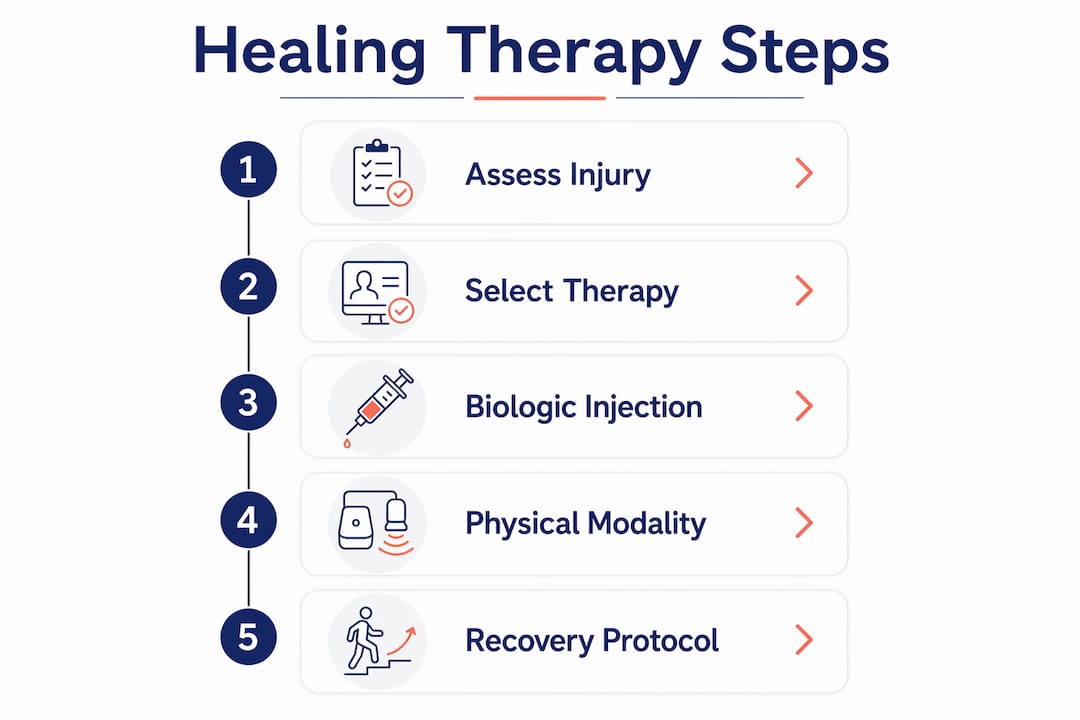
The leading non-surgical tissue-healing therapies in 2026 are autologous biologics (PRP and bone marrow aspirate concentrate), emerging cell-free exosome preparations, targeted physical modalities (EMTT, SoftWave, and shockwave), and advanced wound technologies including negative pressure wound therapy and biosensor-enabled dressings. The recommended clinical strategy is an evidence-backed biologic paired with a targeted physical modality when indicated, delivered with full protocol transparency and image-guided precision.
What separates good outcomes from disappointing ones is rarely the therapy category itself. It is the dose, the preparation method, the delivery technique, and what happens in the weeks after treatment. We see this pattern consistently: two patients receive “PRP,” one improves meaningfully, the other does not, and the difference traces back to blood draw volume, platelet yield, and whether the injection was image-guided. That is the context you need before evaluating any clinic or treatment plan.
Three steps to take before booking any regenerative treatment:
- Get a proper diagnostic evaluation first. Imaging (MRI or ultrasound) and a clinical exam should confirm the tissue type, injury stage, and whether you are a good candidate for biologics.
- Optimize conservative care. Physical therapy, load management, and anti-inflammatory nutrition create a better tissue environment for any biologic to work in.
- Use a clinic-selection checklist. Ask specifically about platelet dose, processing method, image-guided delivery, and post-procedure activity protocols before committing.
Table of Contents
- Which therapy works best for your tissue type?
- How does PRP work, and when does it actually help?
- What is BMAC, and who is it right for?
- Where do exosome therapies stand in the U.S. right now?
- How do shockwave, SoftWave, and EMTT fit into a treatment plan?
- When are wound-focused therapies the right choice?
- How are therapies combined, and why does sequencing matter?
- How do you choose a clinic and avoid common red flags?
- What does tissue healing therapy cost in the U.S. in 2026?
- What timeline should you realistically expect?
- What does the evidence actually say, and why do protocols matter?
- Which approach fits your situation?
- Key Takeaways
- What we actually see in practice
- Nortex Tissue Regeneration: non-surgical care with documented protocols
- Authoritative sources and further reading
- FAQ
Which therapy works best for your tissue type?
Not every therapy fits every tissue or every patient. The table below maps the major non-surgical options to their primary indications so you can orient yourself before reading the deeper sections.
| Therapy | Best for | Evidence level |
|---|---|---|
| PRP | Tendinopathy, early-to-moderate knee OA, ligament injuries | Moderate-strong (multiple RCTs, meta-analyses) |
| BMAC / mesenchymal concentrates | Moderate-severe OA, osteonecrosis, joint preservation | Moderate (RCTs + long-term cohort data) |
| Exosome-based biologics | Early-phase research; wound healing, cartilage (investigational) | Early (Phase I/II trials; largely experimental in U.S.) |
| EMTT / Shockwave / SoftWave | Tendinopathy, calcific tendinitis, bone stress, adjunct to biologics | Moderate (RCTs for EMTT and ESWT) |
| NPWT and smart dressings | Complex or non-healing wounds, diabetic foot, post-surgical wounds | Strong for NPWT; emerging for biosensor dressings |
| Biomaterial scaffolds / hydrogels | Cartilage defects, dermal reconstruction, surgical augmentation | Moderate-emerging (preclinical + early clinical) |
A 2026 meta-analysis of 62 trials found that PRP outperformed hyaluronic acid, corticosteroids, and saline for knee osteoarthritis pain and function at six months, with benefits persisting at twelve months in many patients. That is one of the stronger evidence signals in the field right now, and it sets a useful benchmark for comparing other approaches.
How does PRP work, and when does it actually help?
Platelet-rich plasma is most reliably helpful for mild-to-moderate tendinopathy, early knee osteoarthritis, and ligament injuries. Most patients notice meaningful pain reduction within six to twelve weeks, with functional gains continuing through six months.
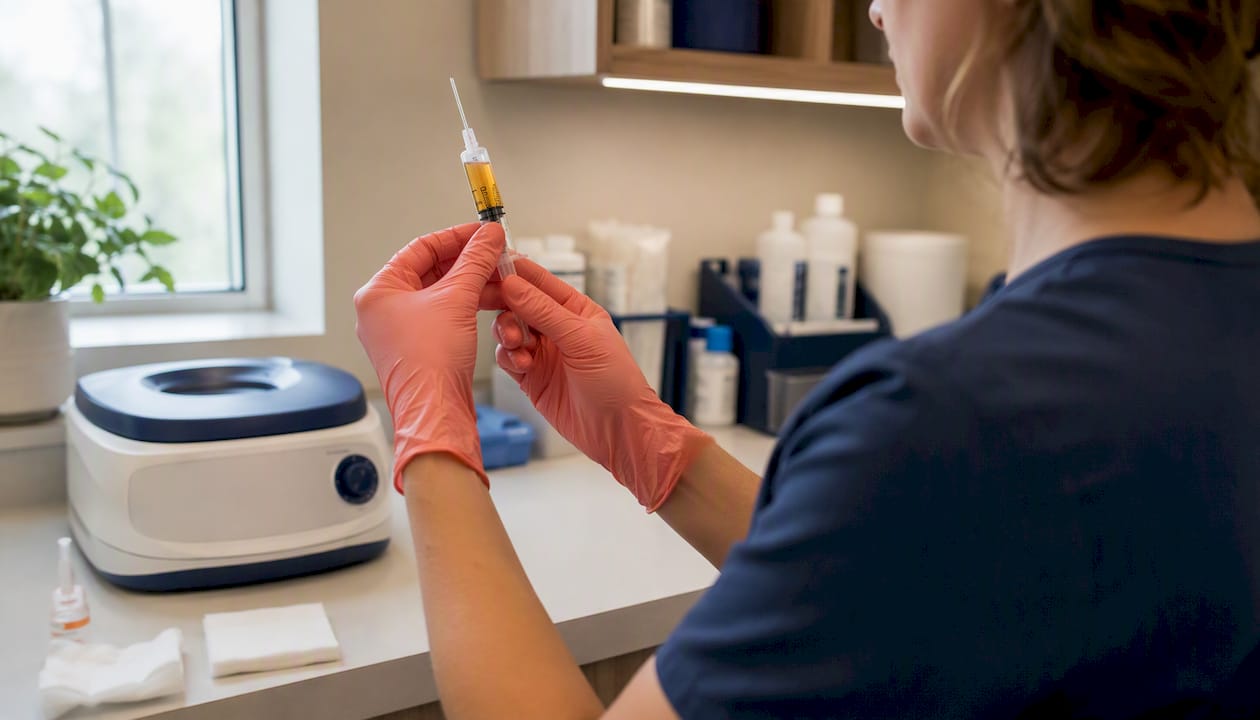
The mechanism is straightforward. When platelets are concentrated from your own blood and injected into damaged tissue, they degranulate and release growth factors including PDGF, TGF-β, and VEGF. These signals promote cell proliferation, extracellular matrix synthesis, and local inflammation modulation. The result is a shift in the tissue microenvironment from a chronic, low-grade inflammatory state toward active repair.
What most patients do not realize is how much preparation variables matter. Research shows that larger blood draw volumes are associated with larger improvements at both six and twelve months compared to smaller draws. Leukocyte-poor formulations tend to perform better for osteoarthritis, while leukocyte-rich preparations may be appropriate for certain tendinopathies. Activation method, platelet concentration, and whether the injection is image-guided all influence the final result.
What to ask a clinic before PRP:
- What is your standard blood draw volume, and do you adjust it by indication?
- Do you use leukocyte-rich or leukocyte-poor preparation, and why for my condition?
- Is delivery ultrasound-guided?
- What platelet concentration do you target, and do you measure it?
- What activity restrictions apply in the first two weeks?
The ASIPP 2025 guidelines classify intradiscal PRP at Level III evidence with a moderate consensus recommendation, and the StatPearls regenerative therapy review notes that leukocyte-poor PRP shows greater effectiveness for osteoarthritis while leukocyte-rich formulations may exacerbate inflammation in some settings. Heterogeneity across trials remains high, which is why MIBO reporting standards are now recommended for any clinic publishing or citing PRP outcomes.
Pro Tip: Ask the clinic for their centrifuge protocol and typical platelet yield in writing. A clinic that cannot or will not share those details is not operating at the standard the current evidence base expects.
What is BMAC, and who is it right for?
Bone marrow aspirate concentrate can offer meaningful symptom relief and, in some patients, may delay surgical progression, particularly for moderate-to-severe osteoarthritis and osteonecrosis. The evidence is more nuanced than many clinics communicate, and dose matters considerably.
How the procedure works:
- A physician aspirates bone marrow, typically from the posterior iliac crest, under imaging guidance.
- The aspirate is centrifuged to concentrate mononuclear cells, including mesenchymal stromal cells and hematopoietic progenitors.
- The concentrate is injected into the target joint, tendon, or in some protocols, delivered intraosseously into subchondral bone.
- Post-procedure load management and graduated rehabilitation begin within the first week.
The progenitor cell dose, measured as colony-forming unit fibroblasts (CFU-F), is the key variable. A fifteen-year matched cohort study found that intraosseous BMC delivery was associated with a 16.1% rate of conversion to total hip arthroplasty over fifteen years, compared to 40.1% in matched controls receiving conservative care. Higher CFU-F doses correlated with longer arthroplasty-free survival, which is one of the clearest dose-response signals in the orthobiologic literature.
A systematic review of eight RCTs involving 937 patients found that BMAC improved pain and function scores from baseline beginning around one month post-injection, with stability through twelve months. The important caveat: differences versus other injectates often did not exceed the minimum clinically important difference. BMAC is not a universal upgrade over PRP; it is a different tool for a different stage of disease.
Safety and what to expect:
- Procedure-site soreness at the aspiration site (iliac crest) for several days is common.
- Temporary flare at the injection site in the first 48–72 hours.
- Serious adverse events are rare when performed under imaging guidance by an experienced clinician.
- Infection risk is low but not zero; sterile technique and post-procedure monitoring matter.
When evaluating a clinic’s BMAC offering, ask specifically whether they report CFU-F counts, how they confirm cell viability, and whether delivery is image-guided. Clinics that offer bone marrow cell therapy with documented processing protocols and imaging guidance are operating at the standard the evidence supports.
Where do exosome therapies stand in the U.S. right now?
Exosome-based biologics are scientifically promising but remain largely experimental in the United States in 2026. Their primary clinical niches under active investigation include wound healing, cartilage repair, and neurological applications, but no exosome product has received full FDA approval for musculoskeletal indications as of 2026.
The appeal is real. Exosomes are cell-derived extracellular vesicles that carry signaling molecules, including microRNAs, proteins, and lipids, without delivering whole cells. This paracrine signaling mechanism means they can potentially modulate inflammation and promote tissue repair without the regulatory and safety complexities of live-cell therapies. For patients who are not candidates for autologous biologics, or who want to avoid a bone marrow aspiration, the concept is attractive.
The regulatory reality is more complicated. The FDA currently treats most exosome preparations as biological drugs requiring an Investigational New Drug (IND) application for clinical use outside of approved trials. Clinics offering “exosome injections” as a commercial service outside of a registered trial are operating in a gray area that carries real patient risk. Early-phase trials show encouraging signals, but Phase III data does not yet exist for most musculoskeletal indications.
Pro Tip: If a clinic is offering exosome therapy commercially and cannot point you to a registered clinical trial number or an IND, ask them directly what regulatory framework they are operating under. The answer will tell you a great deal about how they approach patient safety.
Questions to ask before considering any exosome offer:
- Is this treatment part of a registered clinical trial (ClinicalTrials.gov)?
- What is the source of the exosomes (autologous, allogeneic, or manufactured)?
- Has the preparation been tested for sterility, potency, and identity?
- What adverse events have been observed in their patient population?
- Are outcomes being tracked and reported to any registry?
How do shockwave, SoftWave, and EMTT fit into a treatment plan?
Device-based physical modalities reduce pain and can accelerate functional recovery for specific tendon and bone conditions. Their benefits are often additive when combined with biologics, which is why we increasingly use them as part of a sequenced protocol rather than as standalone treatments.
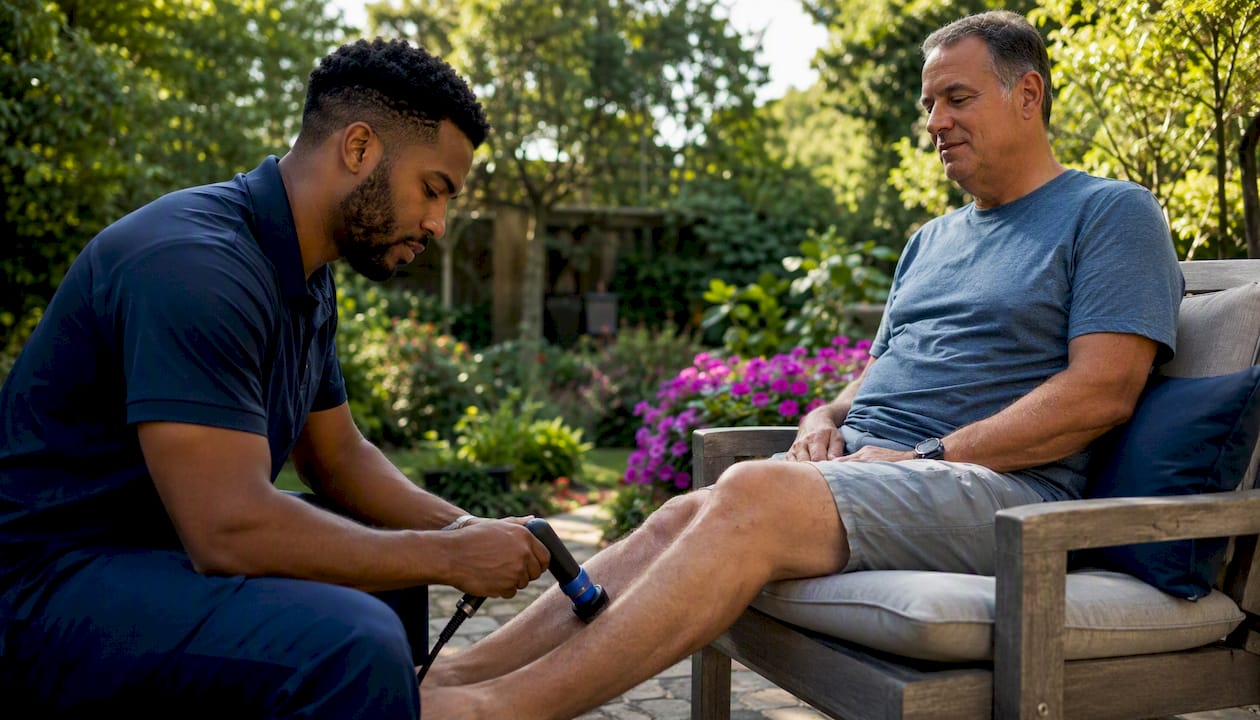
EMTT (extracorporeal magnetotransduction therapy) uses high-energy magnetic fields to stimulate cellular activity, reduce inflammation, and promote angiogenesis in target tissues. A double-blind, placebo-controlled randomized trial found that EMTT produced significant improvements in pain scores and physical composite scores at both six and twelve weeks, with an acceptable safety profile. SoftWave therapy uses unfocused acoustic waves to achieve similar tissue-level effects with a different energy delivery profile. Extracorporeal shockwave therapy (ESWT) has the longest evidence base of the three, with multiple RCTs supporting its use in calcific tendinitis, plantar fasciitis, and patellar tendinopathy.
Typical treatment regimens vary by modality and indication. EMTT courses often run four to six sessions over two to four weeks. ESWT for tendinopathy commonly involves three to five sessions at weekly intervals. SoftWave protocols are generally similar to ESWT in session count. None of these are one-and-done treatments; the tissue response builds across sessions.
Practical safety notes:
- Mild local soreness or warmth during and after sessions is common and usually resolves within 24 hours.
- These modalities are contraindicated over active infection sites, malignancy, or implanted electronic devices in the treatment field.
- Pregnancy is a general contraindication for most acoustic and electromagnetic modalities.
- Patients on anticoagulants should discuss bleeding risk with their clinician before shockwave.
Pro Tip: When combining a physical modality with a biologic, the sequencing matters. Mechanical stimulation before an injection can upregulate cellular receptors and improve tissue uptake of the biologic signal. Ask your clinician whether they sequence treatments intentionally and why.
When are wound-focused therapies the right choice?
For complex or non-healing wounds, negative pressure wound therapy and advanced dressings are often the most effective first-line interventions, and they can dramatically change the trajectory of a wound that has stalled under standard care.
Negative pressure wound therapy (NPWT) works by applying controlled suction to a wound through a sealed foam or gauze dressing connected to a vacuum pump. The negative pressure removes excess fluid, reduces bacterial load, promotes granulation tissue formation, and draws wound edges together. It is particularly well-suited for diabetic foot ulcers, post-surgical dehiscence, pressure injuries, and traumatic wounds with significant tissue loss. Medicare covers NPWT for qualifying chronic wounds under specific CMS criteria, making it one of the few wound-care technologies with meaningful reimbursement support.
Smart and biosensor-enabled dressings represent a newer layer of wound management. These dressings incorporate sensors that monitor wound pH, temperature, moisture levels, and in some cases bacterial markers in real time, transmitting data to a care team without requiring dressing removal. The clinical value is in catching deterioration early, before a wound becomes infected or necrotic.
What patients and families should expect during wound-device therapy:
- Dressing changes on a schedule set by the clinician (typically every 48–72 hours for NPWT).
- Some discomfort during suction application, particularly in the first session.
- Wound appearance may look worse before it looks better as necrotic tissue is cleared.
- Regular follow-up appointments to assess granulation tissue progress and adjust negative pressure settings.
- Clear escalation criteria: increasing pain, fever, spreading redness, or wound odor warrant same-day contact with the care team.
Specialist referral is appropriate when a wound shows exposed tendon or bone, signs of systemic infection, or fails to show measurable progress after four weeks of appropriate wound-device therapy. Delaying referral in those situations consistently leads to worse outcomes.
How are therapies combined, and why does sequencing matter?
Combination strategies are increasingly standard in regenerative medicine because mechanical and biological signals are synergistic, not redundant. Clinical consensus and mechanistic reviews confirm that mechanical stimuli upregulate angiogenesis and cellular receptor activity, effectively priming tissues to use biologic signals more efficiently.
Three common combination flows we see in practice:
-
Shockwave or EMTT followed by PRP (same day or within 48 hours): The mechanical stimulus increases local blood flow and cellular permeability; the PRP injection then delivers growth factors into a more receptive tissue environment. This sequence is commonly used for chronic tendinopathy.
-
BMAC with intraosseous delivery plus post-procedure EMTT: For moderate-to-severe joint disease, intraosseous BMC targets the subchondral bone directly. EMTT sessions in the weeks following support the angiogenic response and help maintain the anti-inflammatory environment the biologic initiated.
-
PRP series with concurrent structured rehabilitation: Biologics do not work in isolation. Graduated loading through physical therapy stimulates mechanotransduction, which amplifies the repair signals the PRP introduced. Early activity management is a key determinant of long-term benefit after orthobiologic injections.
Protocol elements every clinic should document:
- Platelet concentration or CFU-F count at time of injection
- Blood draw volume (for PRP) or aspiration volume and site (for BMAC)
- Imaging modality used for delivery guidance (ultrasound or fluoroscopy)
- Post-procedure activity restrictions and timeline for return to loading
- Follow-up schedule and outcome measures used to track progress
Pro Tip: Ask the clinic for a written protocol summary before your procedure. A clinic that provides this without hesitation is one that has thought carefully about reproducibility. One that cannot produce it is improvising.
For a broader look at how physical and biological therapies are integrated, the 2026 tissue repair guide covers combination approaches in practical terms.
How do you choose a clinic and avoid common red flags?
Prefer clinics that demonstrate protocol transparency, use imaging-guided delivery, and report measurable dose data. Those three criteria alone will filter out most of the low-quality offerings in the market.
Patient checklist for clinic evaluation:
- Clinician credentials: Is the provider a licensed physician with specific training in regenerative medicine or orthobiologics?
- Published or documented protocols: Can they share their standard processing method in writing?
- Platelet or cell dose reporting: Do they measure and report platelet yield (PRP) or CFU-F counts (BMAC)?
- Image-guided delivery: Is ultrasound or fluoroscopy used for every injection?
- Follow-up plan: Is there a structured post-procedure protocol with defined milestones?
- Cost transparency: Are all fees disclosed before treatment, including any series pricing?
- Outcome tracking: Do they use validated patient-reported outcome measures (e.g., WOMAC, VISA-A, VAS)?
Red flags that should give you pause:
- Vague claims about “stem cells” without specifying cell source, processing method, or regulatory status.
- No objective outcome measures or follow-up protocol.
- Pressure to purchase a multi-injection package at the first consultation.
- Inability to explain the difference between leukocyte-rich and leukocyte-poor PRP.
- No imaging guidance offered for intra-articular or intraosseous injections.
Questions to ask at your consultation:
- What is your standard blood draw volume for PRP, and how do you adjust it for my condition?
- Do you measure platelet concentration or CFU-F counts, and can I see that data?
- Is every injection performed under ultrasound guidance?
- What does my post-procedure activity plan look like for the first four weeks?
- How do you define a successful outcome, and at what point would you recommend a different approach?
- What is the total cost, and are there any additional fees I should anticipate?
- Have you treated patients with my specific diagnosis, and what outcomes have you observed?
Pro Tip: A good clinician will spend as much time on your post-procedure plan as on the procedure itself. If the conversation ends at the injection, that is a gap worth addressing before you proceed.
What does tissue healing therapy cost in the U.S. in 2026?
Most regenerative treatments remain fee-for-service and out-of-pocket. Costs vary significantly by procedure complexity, geographic market, and whether imaging guidance is included. The ranges below reflect typical U.S. market pricing and are not specific to any single clinic.
| Therapy | Typical cost range (per session/series) | Reimbursement likelihood | Notes |
|---|---|---|---|
| PRP (single injection) | — | Low; generally not covered | Some FSA/HSA eligible; varies by plan |
| PRP (series of 3) | — | Low | Series pricing common for tendinopathy |
| BMAC (single procedure) | — | Very low; largely experimental | Higher cost reflects aspiration + processing |
| EMTT (per session) | — | Low | Often bundled with biologic protocols |
| Shockwave / SoftWave (per session) | — | Low to moderate for some indications | ESWT has CPT codes; coverage varies by payer |
| NPWT (wound care) | Varies; often covered | Moderate to high for qualifying wounds | Medicare covers under specific CMS criteria |
| Smart dressings | — | Emerging; limited coverage | Coverage expanding as evidence grows |
| Biomaterial scaffolds | — | Low to moderate depending on indication | Some surgical applications have coverage |
Practical steps before committing financially:
- Contact your insurance carrier directly and ask whether the specific CPT code for your planned procedure is covered under your plan.
- Ask the clinic for an itemized cost estimate that includes the procedure, imaging guidance, any processing fees, and follow-up visits.
- Check whether your HSA or FSA account can be used; most regenerative procedures qualify as medical expenses.
- For wound care, ask your clinician to document medical necessity thoroughly, as NPWT coverage under Medicare requires specific diagnostic criteria.
- Some clinics offer payment plans; ask about financing options before assuming the full cost is due upfront.
What timeline should you realistically expect?
Most orthobiologic treatments show measurable functional improvement within one to three months, with stabilization and peak effects typically reached by six to twelve months. That timeline is longer than many patients expect, and it is worth understanding before you start.
| Therapy | Earliest noticeable improvement | Common peak timeframe | Key early warning signs |
|---|---|---|---|
| PRP | 4–8 weeks | 6–12 months | Worsening pain after week 6, no change by week 12 |
| BMAC | 4–6 weeks | 6–12 months | Persistent swelling, fever, or no improvement by month 3 |
| EMTT / Shockwave | 2–6 weeks | 3–6 months | No pain reduction after 3 sessions |
| NPWT (wound) | 1–2 weeks (granulation) | 4–12 weeks (closure) | Spreading erythema, odor, systemic symptoms |
| Exosome (investigational) | Variable; trial-dependent | Unknown; insufficient long-term data | Any unexpected systemic reaction |
Milestone checklist for patients:
- Week 2: Procedure-site soreness should be resolving; no signs of infection.
- Month 1: Some reduction in baseline pain; improved sleep or daily function is a positive early signal.
- Month 3: Measurable functional improvement on a validated scale (WOMAC, VAS, or similar).
- Month 6: Reassessment with your clinician; imaging if indicated to evaluate structural response.
- Month 12: Full outcome evaluation; decision on whether additional treatment is warranted.
Contact your clinic promptly if you experience fever, rapidly worsening pain, significant swelling beyond the first 72 hours, or any neurological symptoms after an injection. These are not typical post-procedure responses and warrant same-day evaluation.
For practical guidance on evidence-based healing strategies during the recovery period, including load management and nutrition, that resource covers the post-treatment phase in detail.
What does the evidence actually say, and why do protocols matter?
Research in 2026 shows promising signals across most regenerative categories, but persistent heterogeneity remains the defining limitation. A 2026 clinical consensus called explicitly for standardized, multicenter protocols to reduce outcome variability and make results comparable across clinics. That call reflects where the field actually is: effective therapies exist, but the evidence base is not yet clean enough to make universal recommendations without qualification.
Evidence levels by therapy category:
- PRP: Multiple RCTs and meta-analyses; strongest evidence for knee OA and tendinopathy. Heterogeneity (I² above 90% in some meta-analyses) limits universal conclusions. MIBO reporting guidelines are now the recommended standard.
- BMAC: RCT-level evidence for knee OA; long-term cohort data for hip preservation. Dose-response relationship established for CFU-F counts.
- EMTT/Shockwave: RCT evidence for pain and function; effect sizes moderate. EMTT data is newer and still accumulating.
- NPWT: Strong RCT and guideline support for complex wound care; one of the better-evidenced technologies in the field.
- Exosomes/cell-free biologics: Phase I/II only; no Phase III musculoskeletal data as of 2026.
- Biomaterial scaffolds/hydrogels: Preclinical and early clinical; promising for cartilage and dermal applications.
Clinicians should document cell counts, platelet yield, imaging guidance, and post-procedure protocols for every patient. This is not bureaucratic overhead. It is what allows outcomes to be compared, reproduced, and improved over time. Clinics that participate in biospecimen and CRO-standard processing contribute to the kind of reproducible data the field needs to move forward.
For patients considering enrollment in a clinical trial or off-label use, confirm that the clinic has IRB oversight, that informed consent covers the experimental nature of the treatment, and that outcomes are being tracked in a registry. These are not optional safeguards.
Which approach fits your situation?
The right therapy depends on your tissue type, disease stage, and what you are trying to achieve. Here is how we think about common patient scenarios.
Scenario-based recommendations:
-
Young athlete with chronic Achilles or patellar tendinopathy: Start with a structured eccentric loading program if you have not already. If symptoms persist beyond three months of proper rehabilitation, leukocyte-rich PRP with ultrasound guidance is a reasonable next step. Adding shockwave or SoftWave to the protocol can accelerate the response, particularly for calcific tendinopathy.
-
Middle-aged patient with early-to-moderate knee osteoarthritis: Leukocyte-poor PRP is supported by the strongest evidence in this population, with meta-analysis data showing significant WOMAC improvement, particularly in younger patients and those with primary OA. If disease is more advanced, BMAC with intraosseous delivery is worth discussing with a specialist.
-
Patient with moderate-to-severe hip OA wanting to delay surgery: The fifteen-year cohort data for intraosseous BMC is the most compelling long-term evidence for joint preservation in this population. Dose matters; ask specifically about CFU-F reporting.
-
Patient with a chronic non-healing diabetic foot ulcer: NPWT is the appropriate first escalation from standard wound care. If the wound is not responding after four weeks of NPWT, specialist referral for advanced biologics or surgical evaluation is warranted.
-
Patient with chronic low back pain considering regenerative options: The ASIPP 2025 guidelines support intradiscal PRP and BMAC at Level III evidence with moderate consensus. These are not first-line treatments; they follow failure of conservative care and require careful patient selection.
Next steps for any patient:
- Confirm your diagnosis with appropriate imaging before any regenerative procedure.
- Complete a structured conservative care trial (physical therapy, activity modification) unless contraindicated.
- Request an informed consultation that includes protocol details, realistic outcome expectations, and cost transparency.
- Ask whether your condition or clinic participates in any outcome registry or trial.
Key Takeaways
The most effective tissue-healing approach in 2026 combines an evidence-backed biologic with a targeted physical modality, delivered with protocol transparency and image-guided precision, and supported by structured rehabilitation.
| Point | Details |
|---|---|
| Dose and protocol determine outcomes | Blood draw volumes of 40 mL or more and documented CFU-F counts are associated with better results for PRP and BMAC respectively. |
| Combination strategies are standard | Mechanical modalities like EMTT and shockwave prime tissues for biologic signals, making sequenced protocols more effective than either alone. |
| Timelines are measured in months | Most orthobiologics show early improvement at 4–8 weeks, with peak effects at 6–12 months; realistic expectations prevent premature abandonment. |
| Exosomes remain investigational | No exosome product holds full FDA approval for musculoskeletal indications in 2026; commercial offerings outside registered trials carry unquantified risk. |
| Nortextissueregeneration offers protocol-transparent care | The clinic provides PRP, BMAC, EMTT, and SoftWave with documented dosing, imaging-guided delivery, and individualized post-procedure plans. |
What we actually see in practice
There is a gap between how regenerative medicine is marketed and how it performs in the real world, and it is worth naming directly.
Most patients who come to us have already tried something. They have had a corticosteroid injection that helped for six weeks and then wore off. They have done physical therapy that improved their strength but did not touch the underlying structural problem. Some have had a PRP injection somewhere else that did nothing, and when we ask about the protocol, the answer is usually a small blood draw, no imaging guidance, and no follow-up plan. That is not a PRP failure. That is a protocol failure.
What we have found is that the patients who do best are the ones who come in with realistic expectations and a willingness to follow the post-procedure plan. The biologic is a signal. The tissue has to be in a condition to receive it, and the patient has to give it time to work. We spend as much time on the pre-treatment optimization and the post-procedure protocol as we do on the procedure itself, because that is where outcomes are actually made or lost. Shared decision-making is not a formality here. It is how we make sure the treatment we recommend is the one that fits your diagnosis, your goals, and your life.
Nortex Tissue Regeneration: non-surgical care with documented protocols
Patients who have read this far know what good regenerative care looks like. Nortextissueregeneration delivers exactly that, without surgery, without long recovery periods, and without vague promises about outcomes.
The clinic offers PRP, BMAC, stem cell therapies, EMTT, and SoftWave/shockwave, all delivered with imaging guidance, documented platelet- and cell-dose reporting, and individualized post-procedure plans. Every patient starts with a thorough diagnostic evaluation before any treatment is recommended. At your initial consultation, you will receive a review of your imaging and clinical history, a clear explanation of which protocol options apply to your diagnosis, realistic outcome expectations with timelines, and a full cost estimate before you commit to anything.
If you are ready to find out whether you are a candidate, request a consultation or learn more about PRP therapy protocols at Nortextissueregeneration.
Authoritative sources and further reading
- Regenerative Therapy in Pain, StatPearls, NCBI Bookshelf — Comprehensive review of PRP, prolotherapy, viscosupplementation, and mesenchymal stromal cell therapies; covers mechanism, regulatory status, and clinical indications.
- ASIPP 2025 Guidelines: Regenerative Therapies for Chronic Low Back Pain — Evidence-graded recommendations for intradiscal and epidural PRP and BMAC; useful for understanding evidence levels and consensus methodology.
- PRP vs. hyaluronic acid, corticosteroids, and saline for knee OA: meta-analysis of 62 trials — Key source for PRP dose-response data and blood draw volume findings.
- PRP for knee, hip, and traumatic OA: meta-analysis and systematic review — Covers WOMAC outcomes, patient age as effect modifier, and protocol-dependent results.
- BMAC injections for knee OA: systematic review of RCTs (8 trials, 937 patients) — Best available RCT synthesis for BMAC; covers onset, duration, and comparison to other injectates.
- Intraosseous BMC delays total hip arthroplasty: 15-year matched cohort with dose-response analysis — Long-term joint-preservation data; establishes CFU-F dose-response relationship for hip OA.
- EMTT for musculoskeletal disorders: double-blind, placebo-controlled RCT — Primary RCT evidence for EMTT; reports pain and function outcomes at 6 and 12 weeks.
- Combination and synergy of physical and biological regenerative therapies (2026) — Mechanistic and clinical consensus review supporting combination protocols; covers EMTT/shockwave plus biologic sequencing.
- Clinical consensus on standardizing regenerative medicine protocols (2026) — Calls for multicenter, standardized protocols; foundational for understanding where the field is heading.
- EIV Diagnostics: provider services for biospecimen and CRO-standard processing — Partner resource for clinics seeking study-standard biospecimen handling and CFU-F quantification support.
- Nortextissueregeneration: tissue repair and regenerative medicine blog — Clinic-authored overview of standardized regenerative approaches and clinical consensus context.
FAQ
What is the most effective non-surgical wound treatment in 2026?
Negative pressure wound therapy remains the most evidence-supported non-surgical option for complex or non-healing wounds, with Medicare coverage available for qualifying chronic wounds under CMS criteria. For musculoskeletal tissue, PRP and BMAC have the strongest biologic evidence base.
Which tissue type heals fastest after regenerative treatment?
Muscle tissue generally responds fastest, often showing functional improvement within four to six weeks. Tendon and ligament healing is slower, typically four to twelve weeks for early improvement, while cartilage repair takes the longest, with meaningful changes often not apparent until six months or beyond.
What new technologies are changing wound healing in 2026?
Biosensor-enabled smart dressings that monitor wound pH, temperature, and moisture in real time represent the most clinically significant emerging technology. Combined with NPWT and advanced biomaterial scaffolds, they allow care teams to detect deterioration earlier and adjust treatment without unnecessary dressing changes.
What is the best nutrient for tissue repair?
Adequate protein intake is the most consistently supported dietary factor for tissue repair, as amino acids are the building blocks for collagen synthesis and cellular regeneration. Vitamin C is also well-established as a cofactor in collagen formation, and clinicians often recommend optimizing both before and after regenerative procedures.
Does Nortextissueregeneration offer BMAC and EMTT together?
Yes. Nortextissueregeneration offers both BMAC and EMTT as part of individualized, sequenced protocols for patients with moderate-to-severe joint disease. Treatment plans are based on diagnostic evaluation and are designed around documented dosing and imaging-guided delivery.