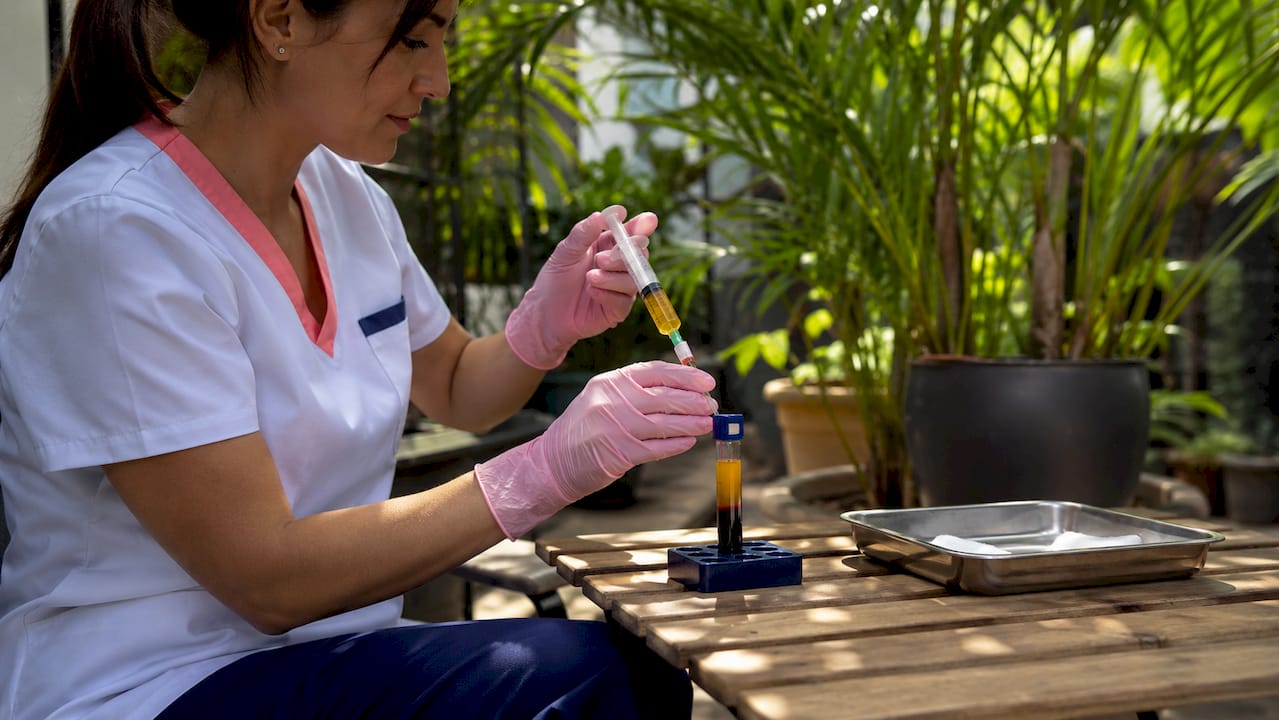
Platelet-rich plasma (PRP) is defined as a concentration of platelets derived from your own blood, used to deliver growth factors directly to damaged tissue and stimulate the body’s natural repair process. The most common platelet-rich plasma uses include treating knee osteoarthritis, tendon injuries, ligament sprains, and muscle damage, though its applications now extend into hair restoration and wound care. PRP works by concentrating the healing proteins already present in your blood and reintroducing them at higher levels where tissue is struggling to recover. For patients dealing with persistent joint pain or slow-healing injuries, it represents a non-surgical path worth understanding clearly.
1. tendon injuries: one of the most studied PRP therapy applications
Tendon injuries are among the most well-documented platelet-rich plasma uses in orthopedic medicine. Conditions like lateral epicondylitis (tennis elbow), Achilles tendonitis, patellar tendinopathy, and rotator cuff tendinopathy all respond to PRP because tendons have poor blood supply and heal slowly on their own. PRP delivers concentrated growth factors directly into the tendon tissue, creating a regenerative microenvironment that encourages cellular repair and reduces chronic inflammation.
Many patients we see have already tried physical therapy and anti-inflammatory medications before coming in. PRP is often the next logical step before considering surgical repair. Results typically take 6–12 weeks to become noticeable, and most patients require one to three injections spaced several weeks apart.
2. knee osteoarthritis: durable relief without surgery
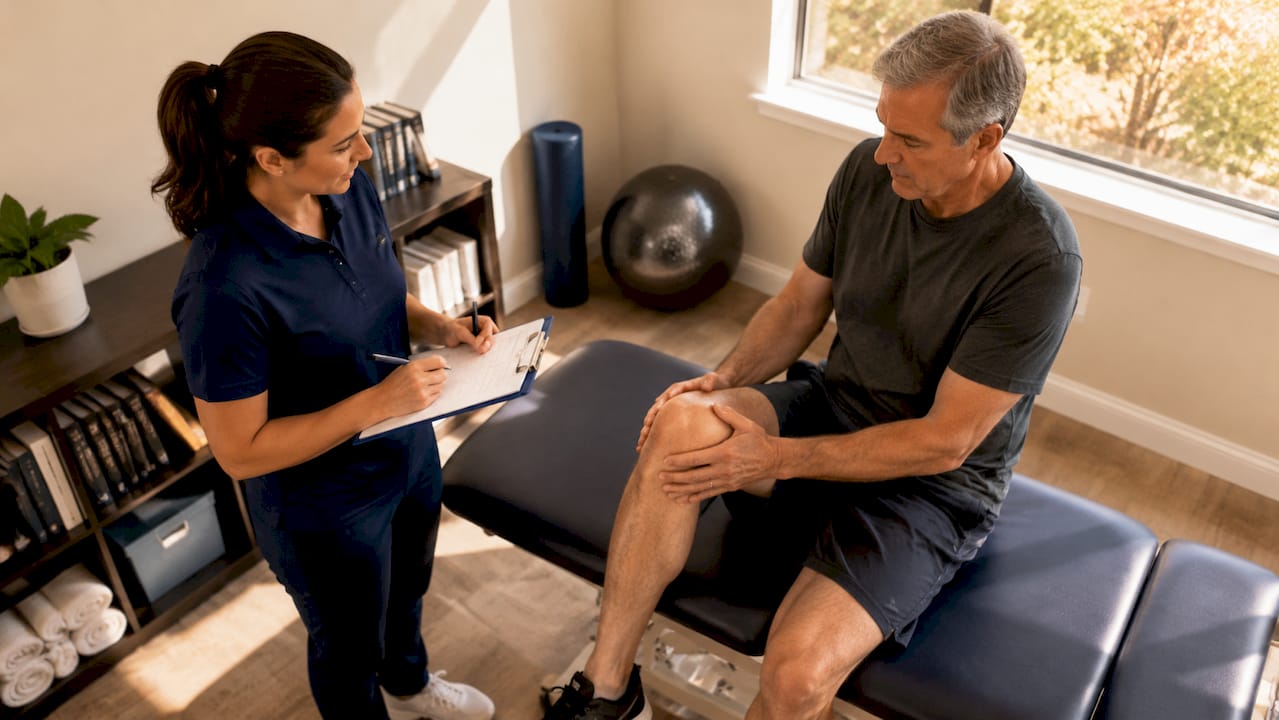
Knee osteoarthritis is one of the most common reasons patients seek PRP therapy. The cartilage inside a worn knee joint cannot regenerate on its own, but PRP can slow the degeneration and reduce pain by modulating inflammation and supporting the remaining tissue. PRP therapy for knee OA shows effectiveness lasting up to two years, which is meaningful for patients trying to delay or avoid joint replacement surgery.
A meta-analysis of 10 randomized controlled trials involving 855 patients found that PRP outperforms dextrose prolotherapy for knee osteoarthritis beyond the six-month mark. That durability is what separates PRP from cortisone shots, which typically wear off in weeks. For patients with moderate knee OA who are still active, PRP is often the most appropriate first-line biologic option.
Pro Tip: If you have knee OA, ask your provider about combining PRP with hyaluronic acid. Combined injection therapy improves joint lubrication and long-term functional outcomes compared to PRP alone.
3. hip osteoarthritis and other large joint conditions
Hip OA responds to PRP in a similar way to knee OA, though the injection requires ultrasound guidance to reach the joint accurately. Patients with early to moderate hip degeneration often report reduced stiffness and improved range of motion within 4–8 weeks. Shoulder joints, including those with glenohumeral arthritis or labral irritation, are also treated with PRP in clinical settings.
The key distinction here is disease stage. PRP works best when there is still viable tissue to support. In advanced joint destruction with bone-on-bone contact, the growth factors have less to work with. We always review imaging before recommending PRP for large joint conditions to confirm the patient is a realistic candidate.
4. ligament sprains and instability
Ligament injuries, particularly in the ankle, knee, and wrist, are another established use of PRP. Ligaments, like tendons, are hypovascular tissues. That means they receive limited blood flow and heal slowly after sprains or partial tears. PRP injections introduce concentrated platelets directly into the injured ligament, accelerating the repair timeline.
Chronic ankle instability and partial ACL tears are two conditions where we see PRP used with good results. Full ACL ruptures typically still require surgical reconstruction, but PRP is sometimes used post-operatively to support graft healing. The distinction between partial and complete tears matters a great deal when deciding whether PRP alone is sufficient.
5. muscle injuries and sports recovery
Muscle strains, particularly grade one and grade two tears in the hamstring, quadriceps, and calf, are increasingly treated with PRP in sports medicine. Athletes recovering from muscle injuries often face pressure to return to competition quickly, and PRP may shorten that timeline by accelerating the inflammatory and proliferative phases of healing.
The evidence for muscle injuries is less robust than for tendons or joints, but clinical experience supports its use in moderate strains that are not responding to standard rehabilitation. PRP is not a substitute for physical therapy in these cases. It works best as a complement to structured rehabilitation, not a replacement.
6. how PRP is prepared and what types of injections are used
Understanding how PRP is made helps you evaluate the quality of care you are receiving. The standard procedure involves the following steps:
- A blood draw of 60–70 cc from your arm, which is significantly more than a routine blood test.
- The blood is placed in a centrifuge and spun to separate red blood cells, white blood cells, and platelet-rich plasma.
- The centrifugation yields 5–10 cc of concentrated PRP, which is then prepared for injection.
- The PRP may be activated with calcium chloride or thrombin before injection, depending on the protocol.
- The injection is delivered to the target tissue, often under ultrasound guidance for accuracy.
- The full procedure takes approximately 45 minutes from blood draw to injection.
“Significant variability in PRP preparation protocols impacts consistency of patient outcomes. Operator training and standardized protocols are essential for efficacy.” — Expert Consensus on PRP Use
Preparation protocol variability is the most underappreciated factor in PRP outcomes. Two clinics can use the same label and produce very different platelet concentrations depending on their centrifuge equipment and technique. When choosing a provider, ask specifically about their platelet concentration targets and whether they use ultrasound guidance. Read our guide on preparing for your PRP appointment to know what questions to bring.
7. PRP for hair restoration and androgenetic alopecia
PRP for hair restoration is one of the most well-known non-orthopedic applications. PRP stimulates hair follicles and is most effective for androgenetic alopecia, the most common pattern of hereditary hair thinning in both men and women. Growth factors in PRP, including platelet-derived growth factor and vascular endothelial growth factor, signal dormant follicles to re-enter the active growth phase.
Results are most consistent in patients with early to moderate hair thinning. Those with completely bald areas and no remaining follicular activity are unlikely to see significant regrowth. PRP for hair loss is typically administered as a series of three monthly injections, followed by maintenance sessions every 3–6 months. Some patients combine PRP with hair loss supplements to support follicle health between sessions.
8. skin rejuvenation and aesthetic uses
PRP is used in aesthetic medicine to address fine lines, skin texture, and volume loss. Often called a “vampire facial” in popular media, the procedure involves applying PRP topically after microneedling or injecting it subdermally. The growth factors stimulate collagen production and improve skin elasticity over 4–8 weeks.
This application is less regulated and more variable in outcomes than orthopedic uses. The evidence base is growing but not yet as strong as for musculoskeletal conditions. Patients interested in aesthetic PRP should look for providers with specific training in facial anatomy and injection technique.
9. post-surgical healing and wound care
Surgeons use PRP to accelerate healing after orthopedic procedures, dental implants, and soft tissue repairs. Applied directly to the surgical site, PRP reduces inflammation and supports tissue knitting in the early recovery phase. In wound care, chronic non-healing wounds in diabetic patients are one of the more promising emerging applications.
Gynecology is another area where PRP is being studied, particularly for conditions like vaginal atrophy and pelvic floor dysfunction. These applications are still considered investigational in most clinical settings, and patients should approach them with appropriate caution and realistic expectations.
10. how PRP compares to platelet-rich plasma alternatives
Patients often ask how PRP stacks up against other injection therapies. Here is a direct comparison of the most common options:
| Therapy | Mechanism | Duration of Effect | Best Suited For |
|---|---|---|---|
| PRP | Growth factor delivery, tissue regeneration | Up to 2 years (knee OA) | Early to moderate OA, tendon injuries |
| Cortisone (corticosteroid) | Anti-inflammatory suppression | 4–12 weeks | Acute flares, short-term pain relief |
| Dextrose prolotherapy | Irritant-induced healing response | Variable, often 3–6 months | Ligament laxity, mild joint pain |
| Hyaluronic acid | Joint lubrication | 6–12 months | Knee OA with reduced synovial fluid |
| Autologous whole blood | Broad growth factor delivery | Shorter than PRP | Tendinopathy when PRP unavailable |
Cortisone shots are faster and cheaper, but they can weaken tissue with repeated use. PRP costs more upfront and takes longer to show results, but the comparison with cortisone favors PRP for patients seeking durable improvement rather than temporary relief. For a deeper look at how PRP and prolotherapy differ in joint healing outcomes, the PRP vs. prolotherapy comparison is worth reviewing.
Pro Tip: PRP and hyaluronic acid are not mutually exclusive. Combining them in a single treatment session can improve both pain relief and joint function beyond what either achieves alone.
Key takeaways
PRP is most effective when matched to the right condition, the right disease stage, and a provider using standardized preparation protocols.
| Point | Details |
|---|---|
| Best for early to moderate conditions | PRP works best before severe tissue damage or bone-on-bone joint destruction sets in. |
| Knee OA relief lasts up to 2 years | PRP outperforms cortisone and dextrose prolotherapy for durable knee osteoarthritis relief. |
| Preparation quality drives outcomes | Platelet concentration and centrifuge protocols vary widely and directly affect results. |
| Non-orthopedic uses are expanding | Hair restoration, skin rejuvenation, and wound care are established secondary applications. |
| Combination therapy improves results | PRP paired with hyaluronic acid improves joint lubrication and long-term functional outcomes. |
What i’ve learned after seeing hundreds of PRP patients
The patients who get the most out of PRP are the ones who come in early. Not early in the day. Early in the disease process. PRP is most effective in early-stage conditions like early arthritis or initial hair thinning. By the time someone has bone-on-bone contact or years of scar tissue built up, PRP has far less to work with.
What I also see regularly is patients who expect one injection to fix everything. PRP is a biological process, not a switch. The growth factors need time to signal repair, recruit cells, and build new tissue. That takes weeks, sometimes months. Patients who commit to the full protocol and combine PRP with physical therapy or rehabilitation consistently do better than those who treat it as a standalone fix.
The other thing worth saying plainly: not all PRP is the same. The variability in preparation protocols is real, and it matters. A clinic that cannot tell you their platelet concentration targets or explain their centrifuge protocol is a clinic worth questioning. The therapy is only as good as the process behind it.
If you are weighing PRP against surgery or long-term medication use, give it a fair evaluation. It will not work for everyone. But for the right patient at the right stage, it is one of the more compelling non-surgical options available today.
— Felix
How Nortextissueregeneration approaches PRP therapy
At Nortextissueregeneration, we work with patients across North Texas who are dealing with joint pain, tendon injuries, and degenerative conditions that have not responded well to conventional treatments. Our PRP protocols are built around standardized preparation, ultrasound-guided delivery, and individualized treatment plans that account for your condition’s stage and your recovery goals. We do not offer a one-size-fits-all approach because joint pain rarely works that way. If you are ready to explore whether PRP is appropriate for your situation, our PRP therapy page outlines what to expect from the process. For patients whose conditions may benefit from additional biologic support, we also offer stem cell therapy as a complementary option.
FAQ
What is platelet-rich plasma used for most often?
PRP is most commonly used to treat knee osteoarthritis, tendon injuries like tennis elbow and Achilles tendonitis, and ligament sprains. It is also used for hair loss treatment and, less commonly, skin rejuvenation.
How long does a PRP injection take?
The full procedure takes approximately 45 minutes, including a blood draw of 60–70 cc and centrifugation to yield 5–10 cc of concentrated PRP ready for injection.
How does PRP compare to cortisone shots for joint pain?
Cortisone provides faster, short-term relief lasting 4–12 weeks, while PRP supports tissue regeneration with effects that can last up to two years for knee osteoarthritis. PRP is the better option for patients seeking durable improvement rather than temporary pain suppression.
Is PRP effective for hair loss?
PRP stimulates hair follicles and increases density in patients with androgenetic alopecia, particularly those with early to moderate thinning. It is less effective in areas where follicles are no longer active.
Who is not a good candidate for PRP therapy?
Patients with severe, end-stage joint degeneration, active infections, blood disorders, or platelet dysfunction are generally not good candidates. PRP works best when there is still functional tissue present to support the regenerative response.