
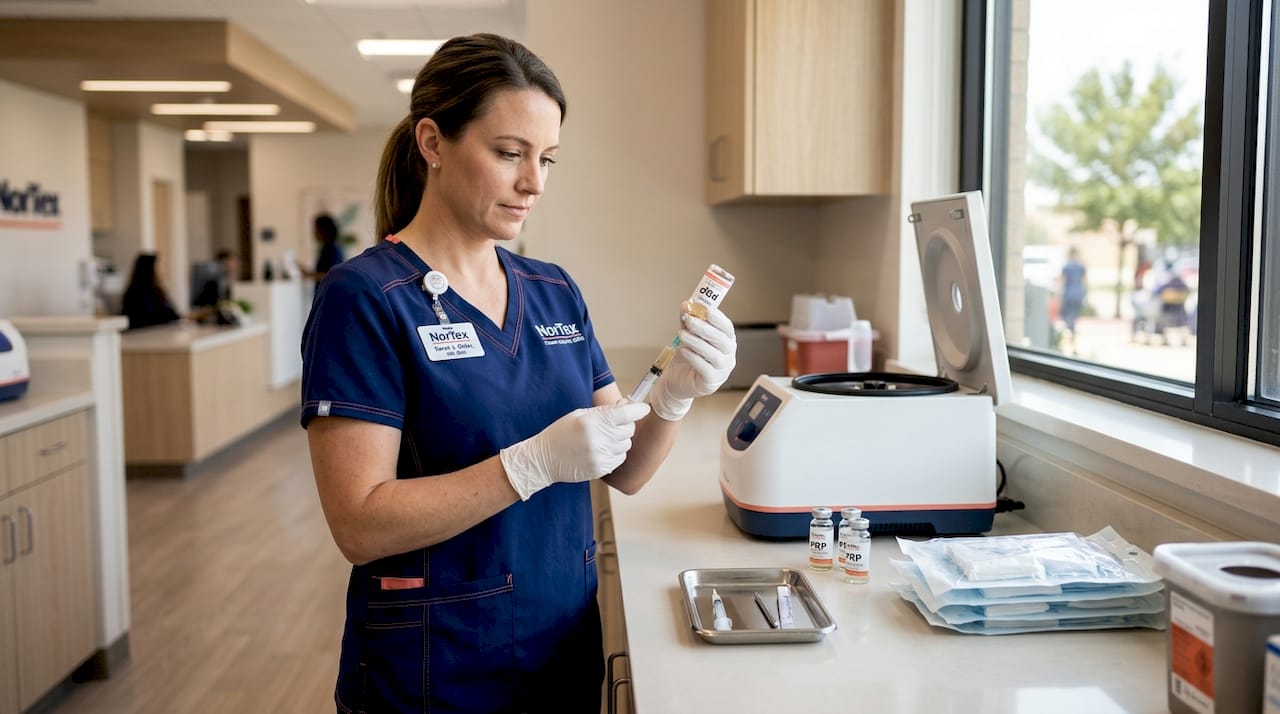
If you’ve been told regenerative injections can rebuild your cartilage or permanently cure your arthritis, you’ve encountered one of the most persistent myths in modern pain medicine. What are regenerative injections, really? At their core, they are biologic treatments that use your body’s own healing signals to reduce inflammation and encourage tissue repair. They are not miracle cures. But for the right patient, at the right stage of injury or degeneration, they can meaningfully reduce pain and restore function without surgery. Here’s what the evidence actually shows, and what you should realistically expect.
Table of Contents
- Understanding regenerative injections and how they work
- What the clinical evidence says about regenerative injection effectiveness
- The variability of regenerative injections: what affects outcomes
- When regenerative injections might be a good option for you
- What to expect during and after regenerative injection treatment
- Why cautious optimism is key with regenerative injections
- Explore regenerative injection therapies at Nortex Tissue Regeneration
- Frequently asked questions
Understanding regenerative injections and how they work
Regenerative injections are a category of regenerative medicine injections that introduce biologic material directly into a damaged joint, tendon, or soft tissue to stimulate the body’s natural repair process. The two most common types are Platelet-Rich Plasma (PRP) and stem cell therapies.
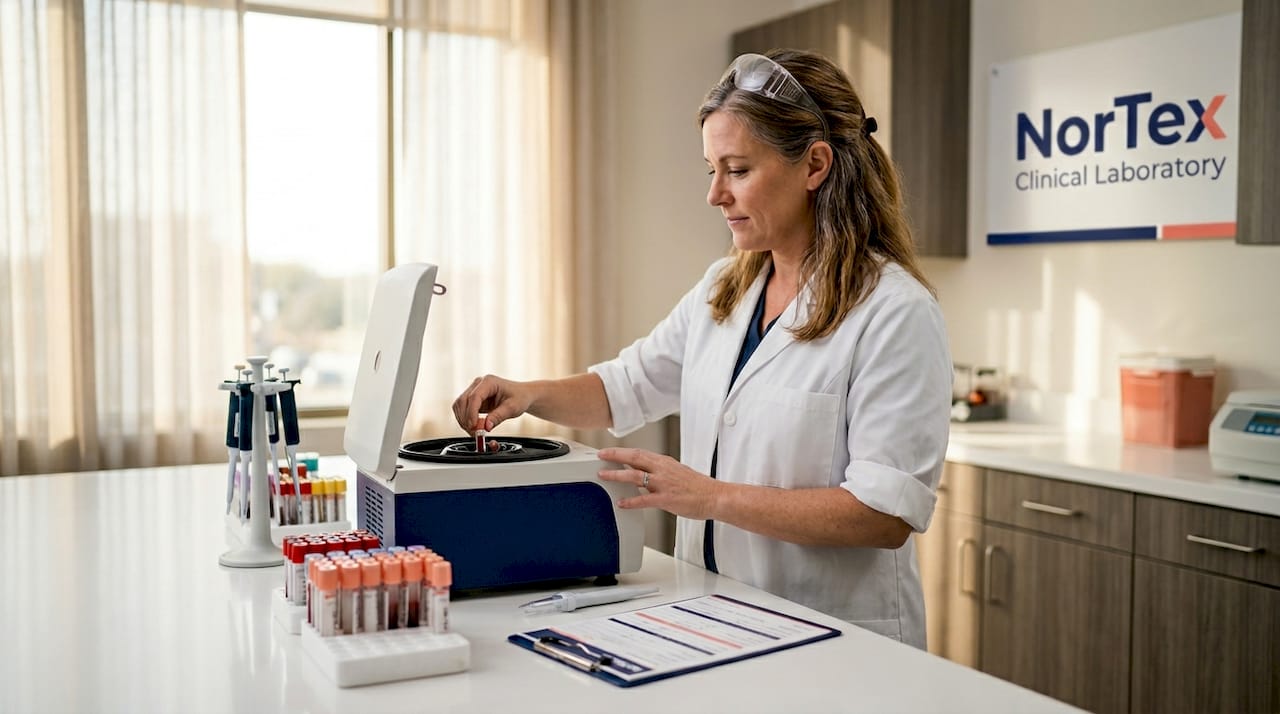
PRP starts with a sample of your own blood. That blood is spun in a centrifuge to concentrate the platelets, which are tiny cells loaded with growth factors. Those growth factors are then injected into the injured area, where PRP growth factors stimulate tissue repair and reduce inflammation through cell signaling and epigenetic modification. Think of it as flooding a repair site with the body’s own chemical messengers.
Stem cell therapies work differently. These treatments typically use cells derived from bone marrow or adipose (fat) tissue. The cells release signaling factors that may calm inflammation and promote tissue regeneration in surrounding structures. They don’t simply “become” new cartilage the way some clinics imply, but they may create a more favorable environment for healing.
Common types of regenerative injection treatments include:
- PRP (Platelet-Rich Plasma): Derived from your own blood, concentrated for growth factors
- Bone marrow concentrate (BMC): Contains stem cells and growth factors from marrow aspirate
- Adipose-derived stem cell therapy: Uses processed fat tissue to harvest regenerative cells
- Prolotherapy: Uses a dextrose (sugar water) solution to trigger a mild inflammatory response that signals repair
Each type targets damaged tissue differently. Learn more about platelet rich plasma therapy and how it fits into a broader treatment plan.
Now that you have a basic idea of what regenerative injections are, let’s look at the current clinical evidence on their effectiveness and limitations.
What the clinical evidence says about regenerative injection effectiveness
The honest answer is that the evidence is promising but incomplete. Studies consistently show that PRP provides real benefit for certain conditions, but the results are not uniform, and the long-term data is limited.
For knee osteoarthritis, which is one of the most studied applications, PRP shows modest short-term relief lasting three to six months, with inconsistent benefits beyond 12 months and little functional improvement over that timeframe. That’s meaningful relief for many patients, but it’s not the permanent fix some marketing materials suggest.
The Academy of Physical Medicine and Rehabilitation has issued clear guidance: PRP is recommended only for mild to moderate knee osteoarthritis after conservative care has failed, and it is not a cure. That framing matters. PRP is a second-line tool, not a first response.
Key clinical takeaways on the benefits of regenerative injections:
- Pain relief is real but often temporary, typically in the three to six month range
- Functional improvement is more variable and tends to diminish beyond 12 months
- PRP is not FDA-approved as a standard treatment and is still considered investigational
- Results for tendon injuries such as lateral epicondylitis (tennis elbow) and rotator cuff issues are more encouraging than for advanced arthritis
- Stem cell therapies have even less standardized clinical data than PRP
Stat to know: Clinical trials on prp effectiveness for knee osteoarthritis show it outperforms placebo for pain reduction in the short term, but the magnitude of benefit is modest, not transformative.
If you’ve heard that PRP is prp as an alternative to surgery, that may be true in the sense that it can delay surgery, but it is not a substitute when structural damage is severe.
Understanding these limitations helps clarify when regenerative injections might be an option and who might benefit most from them.
The variability of regenerative injections: what affects outcomes
One of the biggest reasons results vary so widely is that there is no universal standard for how these treatments are prepared or delivered. Massive heterogeneity exists in how PRP and stem cell injections are prepared, activated, and delivered, making direct comparisons between clinics and studies genuinely difficult.
Variables that affect your outcome include:
- Platelet concentration: Higher is not always better. The optimal platelet count for different tissues is still being studied.
- Leukocyte (white blood cell) content: Leukocyte-rich PRP may increase inflammation in some joints, while leukocyte-poor PRP may be better tolerated in others.
- Activation method: Some providers activate PRP with calcium chloride or thrombin before injection. Others inject it unactivated. Each approach triggers slightly different biological responses.
- Injection technique: Image-guided injections using ultrasound improve accuracy and are associated with better outcomes than landmark-guided injections.
- Patient factors: Age, overall health, body weight, the severity of tissue damage, and how long the injury has been present all influence how well you respond.
This variability is also why comparing clinic to clinic is so difficult. Understanding why some PRP treatments work better than others requires looking closely at protocol, preparation quality, and patient selection.
Pro Tip: When evaluating a provider, ask specifically how they prepare their PRP. What centrifuge system do they use? Do they use image guidance for injection? These questions reveal whether a clinic is taking preparation quality seriously or cutting corners.
With these challenges in mind, let’s explore practical considerations for deciding if regenerative injections are right for your pain or injury.
When regenerative injections might be a good option for you
Regenerative injections are not for everyone. But for a specific group of patients, they offer a genuinely useful option between conservative care and surgery.
You may be a good candidate if:
- You have mild to moderate joint pain or tendon injury that has not responded adequately to physical therapy, anti-inflammatory medications, or rest.
- You want to avoid or delay surgery, and your imaging shows joint damage that is not yet at an end-stage level.
- You are in reasonable overall health, not on medications that impair platelet function (such as certain blood thinners), and have realistic expectations about gradual improvement.
PRP is generally considered a second-line treatment after conservative measures have not provided sufficient relief. And importantly, PRP can help delay surgery by improving symptoms and function in mild to moderate osteoarthritis.
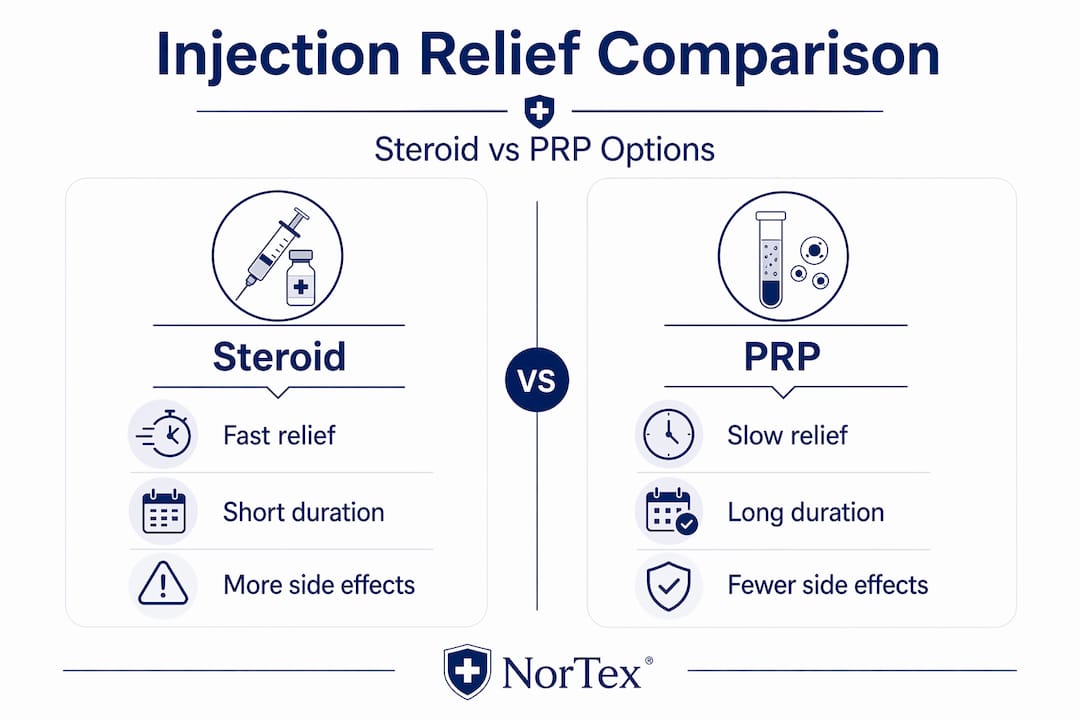
Here’s a direct comparison to help frame your decision:
| Factor | Steroid injection | PRP injection |
|---|---|---|
| Speed of relief | Fast (days to weeks) | Slow (weeks to months) |
| Duration of relief | 1 to 3 months typically | 3 to 6 months or more |
| Tissue effects | Reduces inflammation but may degrade tissue with repeated use | May support tissue repair over time |
| Insurance coverage | Often covered | Usually not covered |
| Cost per injection | Lower | $500 to $1,000 out-of-pocket |
Understanding the prp vs cortisone injections difference is important because the right choice depends on your timeline, your budget, and how much structural preservation matters in your specific case.
Pro Tip: Physical therapy is not optional alongside these injections. The injection creates a biological window of opportunity. Physical therapy is how you take advantage of that window and build lasting function.
Having covered who might benefit and how regenerative injections fit into care, here’s what to keep in mind when choosing a provider and treatment plan.
What to expect during and after regenerative injection treatment
Knowing what the experience actually looks like helps you prepare and commit to the process with confidence.
The procedure takes less than an hour, including blood draw, centrifugation, and the injection itself. Soreness at the injection site is normal and often lasts a few days. Patients can typically return to work within a week, though strenuous activity should be avoided for a short period.
What to expect after your injection:
- Days 1 to 3: Mild soreness, possible swelling at the injection site. This is a normal inflammatory response, not a sign of failure.
- Weeks 1 to 4: Little to no noticeable change. Patience is essential here. The biologic process takes time.
- Months 1 to 3: Most patients who respond begin to notice gradual pain reduction and improved mobility.
- Months 3 to 6: Peak benefit period for PRP, based on current evidence.
- Beyond 6 months: Responses vary. Some patients maintain improvement; others may benefit from a second session.
Multiple sessions are sometimes recommended, particularly for chronic or more extensive tissue damage. Discuss any medications like blood thinners with your physician beforehand, as they can affect platelet function and overall treatment response.
Pro Tip: Keep a simple pain and function log starting the week before your injection. Rating your pain and activity level daily gives you and your provider a clear picture of how you are responding, which helps guide decisions about follow-up sessions. Review more detail on your prp treatment experience to set accurate expectations from day one.
Next, we’ll share our perspective on navigating regenerative injection options carefully amidst hype and uncertainty.
Why cautious optimism is key with regenerative injections
We have seen firsthand how much damage overpromising does to patients. Someone comes in after being told elsewhere that PRP will “regenerate their cartilage” or that stem cells will “reverse their arthritis.” Those patients often feel betrayed when the results are modest, even when the treatment actually worked as well as the evidence suggests it should.
The regenerative medicine field is genuinely plagued by aggressive marketing that overstates benefits, and experts consistently urge patients to be skeptical of promises involving cartilage regeneration or disease cures. The science is real. The potential is real. But the current clinical reality is more nuanced than the ads suggest.
Our view is this: these treatments work best when patients understand them as supportive tools rather than standalone solutions. A well-prepared PRP injection into a knee with mild to moderate osteoarthritis, followed by supervised physical therapy and sensible activity modification, can provide meaningful relief. That same injection given to a patient with end-stage joint destruction, no follow-up rehab, and no lifestyle changes is unlikely to impress anyone.
The conversation around stem cell injection risks and benefits is particularly important to have openly. And when you understand what makes PRP treatment quality vary, you are far better equipped to choose a provider and a protocol that gives you the best realistic chance of success. Your full health history matters. Your expectations matter. And your willingness to pair these injections with rehabilitation matters most of all.
Explore regenerative injection therapies at Nortex Tissue Regeneration
With a clear understanding of regenerative injections and what to expect, Nortex Tissue Regeneration is here to help you explore these advanced treatment options safely and effectively. We offer expert evaluations to determine whether PRP therapy services or stem cell therapy options are appropriate for your specific condition, stage of injury, and overall health. Our team customizes preparation and delivery protocols and provides thorough patient education so you walk in knowing exactly what to expect. We also offer a full range of body regeneration services to support your recovery beyond the injection itself. If you are living with chronic joint pain, a sports injury, or a degenerative condition in North Texas, contact us to schedule a consultation and learn whether regenerative injection therapy belongs in your recovery plan.
Frequently asked questions
Are regenerative injections like PRP covered by insurance?
PRP and most regenerative injections are considered investigational and are not typically covered by insurance. Patients pay $500 to $1,000 out-of-pocket per injection on average.
How long does it take to feel relief after a regenerative injection?
Most patients notice gradual improvement over weeks to months, not days. PRP benefits typically last up to six months, though the timeline varies by condition and individual response.
Are regenerative injections a cure for osteoarthritis or tendon injuries?
No. Regenerative injections may reduce pain and improve function temporarily, but they do not regenerate cartilage or permanently reverse degenerative damage. PRP outcomes are highly variable, and managing expectations is a core part of responsible care.
Who is a good candidate for regenerative injections?
Ideal candidates have mild to moderate chronic conditions such as knee osteoarthritis and have not found adequate relief from physical therapy or medications. PRP may be appropriate for patients who remain symptomatic despite conservative care.
What should I expect during the treatment and recovery process?
The session takes under an hour, with mild soreness in the days following. Patients typically return to work within a week, while improvement in pain and function develops gradually over the weeks and months that follow.