
Hip pain tends to build slowly. You may first notice it when getting out of a chair or after a longer walk than usual. Over time, it becomes part of your day. In our experience, many patients reach us after trying rest, medication, or even standard hip injections without lasting relief. Some begin to explore regenerative options like PRP therapy and start asking where it fits, especially when combined approaches like prp therapy for hip pain are mentioned.
We have worked with a wide range of hip conditions over the years. What follows is a clear, grounded explanation of how PRP fits into hip pain care, what you can expect, and where it may or may not help.
Understanding Hip Pain and Where PRP Fits
The hip is a deep joint. It carries load, supports movement, and stabilizes your body with every step. When something is off, it often affects more than just one structure.
What we often see includes:
- Early to moderate hip arthritis
- Labral irritation or degeneration
- Tendon-related pain around the hip (gluteal tendinopathy)
- Chronic inflammation that has not resolved with conservative care
PRP, or platelet-rich plasma, is not a general pain treatment. It is a targeted biologic therapy. We use it when the goal is to support tissue repair or reduce ongoing inflammation at a specific site.
For patients with hip arthritis, PRP therapy for hip pain can sometimes help slow progression or reduce symptoms. It does not reverse structural damage, but it can change how the joint behaves.
How PRP Works in the Hip Joint
PRP is prepared from your own blood. We concentrate platelets, which carry growth factors involved in tissue repair. Then we inject that concentrate into a precise area of the hip.
The key word here is “precise.”
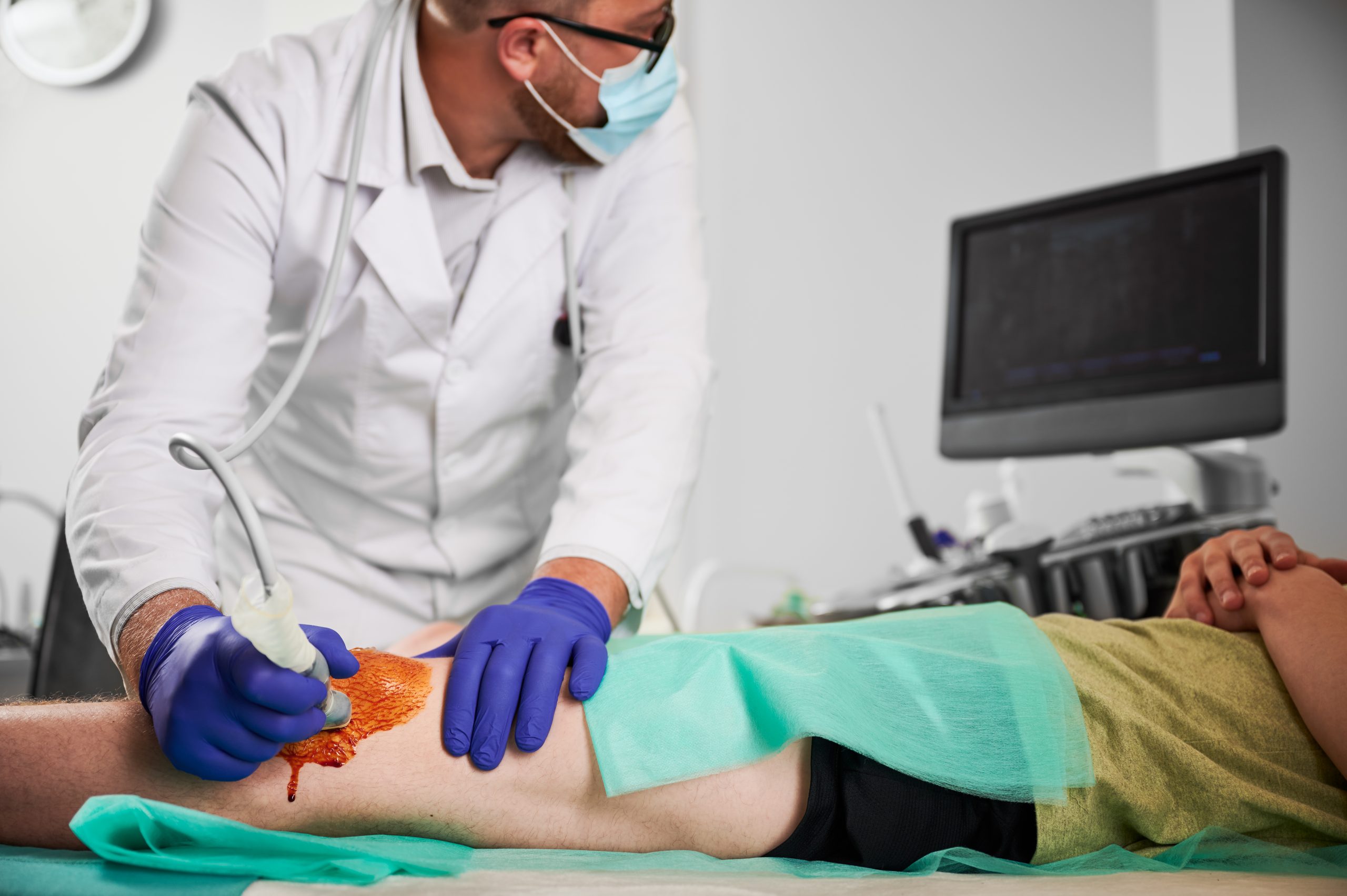
The hip joint sits deep beneath muscle and soft tissue. Blind injections often miss the target. In our practice, imaging guidance is standard. Without it, outcomes are inconsistent.
Once injected, PRP does not act like a medication. It does not numb the area or block signals. Instead, it influences the local environment:
- It can reduce inflammatory signaling
- It may support cell activity in damaged tissue
- It may improve how surrounding structures function together
We have learned over time that results depend less on the injection itself and more on patient selection and placement accuracy.
When We Consider PRP for Hip Pain
Not every patient with hip pain is a good candidate. We tend to consider PRP in situations like:
Early to Moderate Hip Arthritis
If joint space is still present and movement is possible, prp therapy for hip pain may help manage symptoms and support joint preservation. In later-stage arthritis, results are more limited.
Chronic Tendon Pain Around the Hip
This includes lateral hip pain or gluteal tendon issues. These cases often respond better than deep joint arthritis.
Patients Trying to Delay Surgery
Some patients are not ready for joint replacement. Others are not ideal surgical candidates. PRP may offer a way to manage symptoms during that period.
Limited Response to Traditional Hip Injections
Steroid injections can reduce inflammation quickly, but the effect is often temporary. PRP is sometimes considered when those results do not last.
PRP and Shockwave Therapy in Hip Pain Treatment
You may hear about PRP and Shockwave therapy being used together. In our experience, there is a reason for that.
Shockwave therapy works differently. It delivers mechanical energy to tissue, which can stimulate circulation and cellular response. It is often used for tendon-related issues.
When combined carefully:
- Shockwave may help prepare the tissue environment
- PRP can then deliver concentrated biologic support
This approach is not used for every patient. We tend to use it more often in soft tissue conditions around the hip rather than deep joint arthritis.
If you want to understand how this works in more detail, you can review our approach to shockwave therapy and how it fits into broader treatment planning.
What the Procedure Feels Like
Most patients want a straightforward answer here.
The process is usually done in a single visit:
- A blood sample is drawn
- The PRP is prepared in the office
- The hip area is cleaned and prepared
- Imaging is used to guide the injection
You may feel pressure during the injection. Some patients report temporary discomfort, especially when the target area is sensitive.
After the procedure, soreness for a few days is common. This is not unexpected. It reflects the body’s response to the injection rather than a complication.
Recovery and Timeline
PRP is not a quick-fix treatment. This is important to understand early.
In our experience:
- The first 1–2 weeks may involve mild soreness or no change
- Improvement, if it occurs, often begins gradually over several weeks
- Full effects may take 6–12 weeks or longer
We often pair prp therapy for hip pain with a structured rehabilitation plan. Movement matters. Controlled loading of the joint or tendon helps guide recovery.
Some patients require more than one injection. That decision is based on response, not a fixed schedule.
How PRP Compares to Other Hip Treatments
Patients often ask how PRP compares to other options.
Steroid Injections
- Faster relief
- Short-term effect
- May not support long-term tissue health
Hyaluronic Acid Injections
- Aim to improve joint lubrication
- Mixed results in the hip compared to the knee
Surgery
- Necessary in advanced structural cases
- Involves recovery time and higher risk
PRP sits somewhere in between. It is less invasive than surgery but more targeted than general injections.
If you want a deeper look at how PRP is used across different conditions, our overview of platelet-rich plasma therapy explains the broader clinical approach.
Where PRP May Not Be the Right Fit
We have learned that clarity here saves time and frustration.
PRP may not be effective when:
- The joint is severely degenerated with minimal cartilage remaining
- Pain is coming from the lower back rather than the hip
- There is significant structural damage requiring surgical correction
In these cases, other treatments may be more appropriate. That might include different regenerative options such as stem cell therapy or a referral for surgical evaluation.
Combining PRP with Other Regenerative Therapies
Some patients ask about combining PRP with other modalities.
In select cases, we may consider:
- EMTT (Extracorporeal Magnetotransduction Therapy)
- SoftWave therapy
- Cell-based therapies
These are not used routinely. Each has a specific role. The goal is not to layer treatments but to choose the right one for the condition prp therapy for hip pain.
We tend to build treatment plans step by step, based on how your body responds.
Practical Expectations
We try to keep expectations realistic.
PRP is not a cure. It is a tool.
What we often see:
- Reduction in pain levels
- Improved tolerance for activity
- Slower progression of symptoms in some cases
What we do not promise:
- Complete resolution of advanced joint damage
- Immediate results
- Permanent effects without ongoing care
Consistency matters more than intensity. Small improvements prp therapy for hip pain over time tend to lead to better long-term outcomes.
Taking the Next Step
If your hip pain has not improved with rest or standard care, it may be time to look at it more closely. Not every case needs prp therapy for hip pain, and not every patient benefits from the same approach. What matters is understanding the source of the pain and matching it with the right treatment.
If you want to discuss your situation, you can request an evaluation here. We can walk through your history, review imaging if needed, and help you decide whether PRP or a combination like PRP and Shockwave therapy makes sense in your case.