Can PRP Therapy Be Used in Dentistry?
A New Frontier in Healing Your Smile
Imagine accelerating your healing after a tooth extraction or dental implant—without synthetic medications or extended downtime. Welcome to the world of Platelet-Rich Plasma (PRP) therapy, a breakthrough that’s crossing over from sports medicine and aesthetics into your local dental chair.
While PRP therapy has made headlines for its use in orthopedics and facial rejuvenation, it’s now gaining traction in dentistry as a regenerative powerhouse. Let’s explore how this natural healing method is opening new doors in oral health—and why more dentists are embracing it.
What Is PRP Therapy, Exactly?
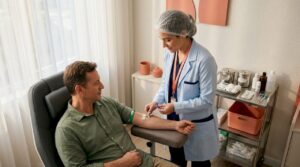
PRP, or Platelet-Rich Plasma, is a concentration of platelets and growth factors derived from a small sample of your own blood. These platelets are like your body’s first responders—rushing to injury sites to trigger tissue regeneration, reduce inflammation, and speed up recovery.
Originally popularized in sports medicine and cosmetic treatments (think tennis elbows and vampire facials), PRP is now being used in oral surgeries, dental implants, bone grafts, and even gum regeneration.
How PRP Therapy Is Used in Dentistry
1. Tooth Extractions and Oral Surgery
Following extractions or wisdom tooth removal, PRP can be applied directly to the site. The result?
- Less swelling
- Reduced pain
- Faster healing of gum and bone tissue
2. Dental Implants
For an implant to succeed, it needs to bond to the jawbone—a process called osseointegration. PRP stimulates bone growth and vascularization, increasing the likelihood of implant success and minimizing complications.
3. Bone Grafts & Sinus Lifts
If you’ve lost bone due to gum disease or trauma, your dentist may recommend a graft or sinus lift before implants. PRP promotes quicker, more reliable integration of these grafts, creating a stronger foundation for future procedures.
4. Gum Tissue Regeneration for Periodontal Disease
Gum recession and pocketing due to periodontal disease can be reversed more effectively when PRP is used. It supports soft tissue healing, encourages collagen production, and may reduce the need for more invasive interventions.
Benefits of PRP in Dental Treatments
- Faster Healing: PRP shortens the recovery timeline so you’re back to normal life sooner.
- Lower Risk of Infection: Platelets carry natural antimicrobial properties.
- 100% Natural: Since it’s from your own body, there’s no risk of allergic reaction or disease transmission.
- Less Pain, Less Swelling: Many patients report smoother recoveries with less need for medication.
Who’s a Good Candidate for PRP in Dentistry?
PRP therapy is especially beneficial for:
- Patients undergoing complex or multi-stage procedures
- People with medical conditions that slow healing (e.g., smokers, diabetics)
- Patients who prefer holistic, drug-free healing options
- Those with a history of implant failure or bone graft complications
If you’re already investing in advanced dental work, PRP could be the insurance policy your body needs to heal right the first time.
What the Research Says
Numerous clinical studies have shown that PRP:
- Enhances bone and soft tissue regeneration
- Increases implant stability
- Improves healing outcomes in oral and maxillofacial surgeries
While more long-term studies are underway, the early evidence is strong enough that many oral surgeons and periodontists are now incorporating PRP as a standard adjunct in major procedures.
Note: PRP is FDA-cleared for certain orthopedic and surgical uses, and it is considered safe when administered by trained professionals in sterile conditions.
Limitations and Considerations
While PRP is natural and generally safe, it’s not for everyone. Patients with blood clotting disorders, low platelet counts, or certain chronic conditions may not be ideal candidates. Additionally:
- PRP is not a standalone treatment—it works best as part of a broader surgical or restorative plan.
- Insurance may not cover it (yet), so there could be an out-of-pocket cost.
Always consult with a dentist or oral surgeon familiar with PRP protocols to see if it’s right for you.
The Future of PRP in Dentistry
Dentistry is entering a regenerative renaissance. As techniques evolve, PRP is expected to play a growing role in:
- Nerve regeneration
- Stem cell integration
- Tissue engineering for facial trauma and reconstructive procedures
And as patients increasingly seek natural alternatives to pharmaceuticals, PRP aligns perfectly with this shift toward biologically guided healing.
Final Thoughts
PRP therapy isn’t just a trend—it’s a transformative tool in dental care. From implants to extractions, this natural, patient-powered approach can help reduce pain, speed up recovery, and deliver stronger outcomes.
If you’re considering oral surgery or facing a dental procedure that involves significant healing, ask your provider if PRP therapy is available. It might just be the healing boost your smile needs.
FAQs About PRP in Dentistry
Q: Is PRP safe in dental procedures?
A: Yes. PRP is made from your own blood and handled under sterile conditions, minimizing risks.
Q: Will PRP therapy hurt?
A: Not at all—the process is quick, and the PRP is applied topically or injected under local anesthesia.
Q: How much does it cost?
A: Typically ranges from $300–$600 per site, depending on the procedure and provider.
Q: Can PRP help with gum disease?
A: Yes, PRP has shown promise in regenerating gum tissue and reducing periodontal pockets.
If you’re in Allen, Texas or the surrounding areas and want to explore how regenerative medicine can elevate your dental care, reach out to our partners at Nortex Tissue Regeneration—where healing isn’t just a process, it’s a revolution. Contact Us.