
Regenerative medicine often gets marketed as a way to turn back the clock entirely. That framing creates unrealistic expectations and, worse, leads some patients toward expensive, unproven interventions. The role of regenerative treatments in aging is more nuanced than the headlines suggest. These therapies work by supporting your body’s own repair systems, not overriding them. For older adults dealing with joint pain, reduced mobility, or tissue degeneration, the science shows genuine promise in targeted areas. This article covers how these treatments work, what evidence actually supports, where caution is warranted, and how to make an informed decision with your care team.
Table of Contents
- Key takeaways
- The role of regenerative treatments in aging: what the science says
- Common regenerative treatments for aging-related conditions
- Clinical evidence, benefits, and limitations
- Potential risks and safety considerations
- Practical guidance before pursuing treatment
- My honest perspective on where regenerative medicine stands
- How Nortex Tissue Regeneration can help
- FAQ
Key takeaways
| Point | Details |
|---|---|
| Not a full reversal | Regenerative treatments improve function and reduce pain but do not fully reverse aging-related tissue damage. |
| PRP has strongest evidence | Platelet-rich plasma therapy has the most clinical support for joint conditions, especially early-to-mid osteoarthritis. |
| Stem cell therapy is still investigational | Most stem cell treatments outside of bone marrow transplantation remain experimental and require careful vetting. |
| Unregulated clinics carry real risks | Treatments from uncredentialed providers can cause serious harm, including infection, immune reactions, and tumor growth. |
| Ask the right questions | Before any treatment, confirm the clinic uses evidence-based protocols and regulated biological products. |
The role of regenerative treatments in aging: what the science says
To understand why regenerative medicine matters for aging, you first need to understand what aging actually does to your body’s repair systems.
As you get older, stem cells become less active and less effective at rebuilding damaged tissue. Cartilage wears down but doesn’t regenerate reliably. Muscles repair more slowly after injury. Chronic inflammation compounds these problems, accelerating tissue breakdown faster than the body can keep up. This biological reality is precisely where regenerative medicine for aging tries to intervene.
These therapies work through two main mechanisms. The first is cellular replacement, where healthy cells are introduced to take over for damaged ones. The second is paracrine signaling, where stem cells release molecules that tell surrounding tissues to reduce inflammation and begin repair, without the introduced cells necessarily integrating permanently. Both pathways have clinical relevance, though paracrine effects currently explain many of the observed benefits in orthopedic applications.
The honest limitation here is that aging itself reduces how well your body responds to regenerative input. A 70-year-old’s tissue environment is fundamentally different from a 40-year-old’s, and that affects outcomes.
- Stem cells in older patients show reduced proliferative capacity
- The inflammatory environment in aging tissue can blunt regenerative signals
- Tissue oxygen supply, often reduced in aging joints, affects cellular survival post-injection
- Comorbidities like diabetes and cardiovascular disease further limit healing responses
Pro Tip: If you or a loved one are considering regenerative treatment, ask the provider how they account for age-related factors in their treatment protocol. A thoughtful answer here separates experienced clinicians from those relying on one-size-fits-all approaches.
Preclinical research is showing real promise. 2026 studies in aging mice demonstrated 45% muscle growth and more than an eightfold increase in blood-forming stem cell capacity after targeted regenerative interventions. Human trials are not yet complete, but the directional signal is encouraging.
Common regenerative treatments for aging-related conditions
For older adults and caregivers weighing options, three categories of treatment come up most often in clinical settings.
Platelet-rich plasma therapy
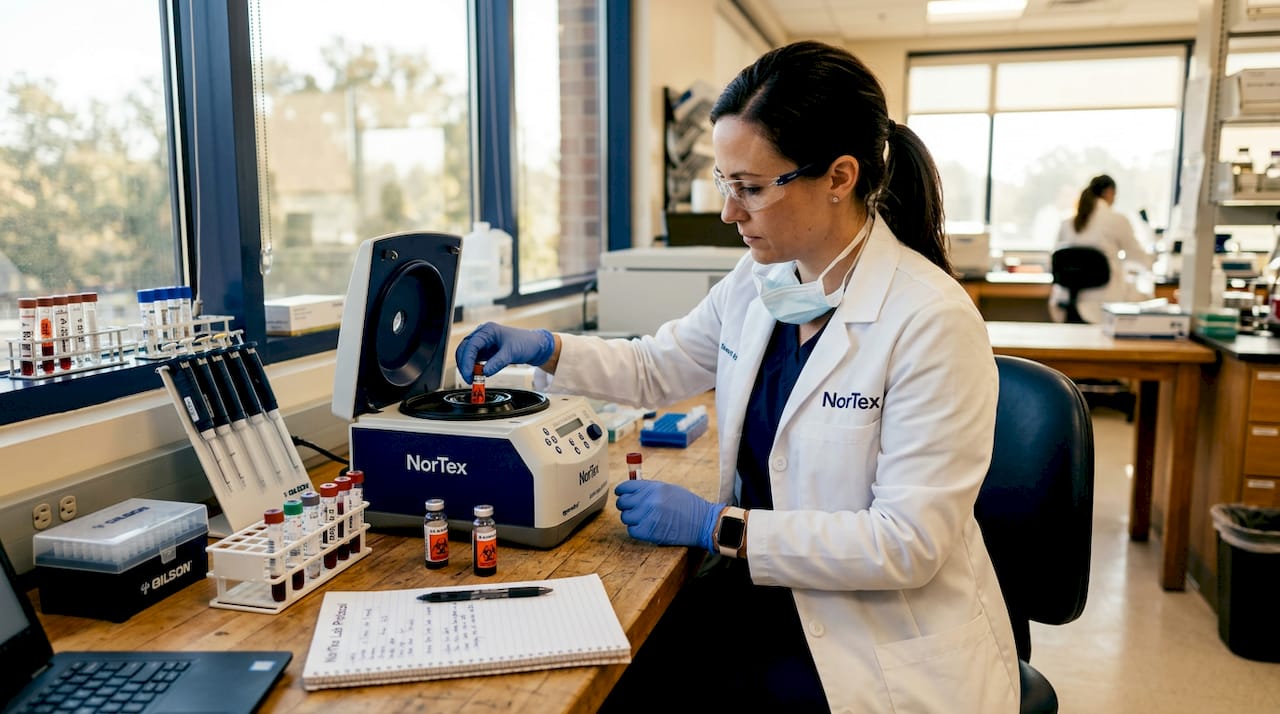
PRP therapy draws a small amount of your blood, processes it to concentrate the platelets, and injects that concentrate into a damaged joint or tissue. The platelets release growth factors that stimulate local repair and reduce inflammation. There is no foreign material involved. Your own biology does the work.
The clinical evidence for PRP in knee osteoarthritis is the strongest of any non-surgical regenerative option available today. Meta-analyses position it among the top three non-surgical monotherapies for knee OA, though results vary based on preparation methods and patient age.
Stem cell therapies
Stem cell treatments for joint conditions are more complex and carry greater uncertainty. Options include:
- Bone marrow concentrate: Cells drawn from your own bone marrow, processed, and injected into the target joint. This is the most established form of cell-based therapy for orthopedic conditions.
- Adipose-derived stem cells: Extracted from fat tissue, though regulatory status varies by country and preparation method.
- Allogeneic products (donor cells): Higher theoretical potency but carry immune reaction risk and are largely investigational in the United States.
It matters to know that stem cell therapy for orthopedic conditions remains investigational for most applications. No current cell-based therapy fully regenerates cartilage. Benefits are real but generally adjunctive, meaning they complement other treatments rather than stand alone as cures.
Comparing treatment approaches
| Treatment | Invasiveness | Evidence Level | Best Suited For |
|---|---|---|---|
| PRP therapy | Minimal | Moderate to strong | Early-to-mid joint degeneration |
| Bone marrow concentrate | Moderate | Moderate | Moderate OA, early cartilage damage |
| Adipose stem cell therapy | Moderate | Preliminary | Investigational use in joint conditions |
| Corticosteroid injection | Minimal | Strong (short term) | Acute inflammation management |
| Surgery (joint replacement) | High | Strong | Severe, end-stage joint damage |
The key takeaway from this comparison is that regenerative options sit in the middle of the treatment spectrum. They are more appropriate than surgery for earlier-stage problems and more targeted than medication for chronic, localized degeneration.
Clinical evidence, benefits, and limitations
The evidence base for anti-aging regenerative therapies is real but uneven. Understanding what studies actually show helps you set appropriate expectations.
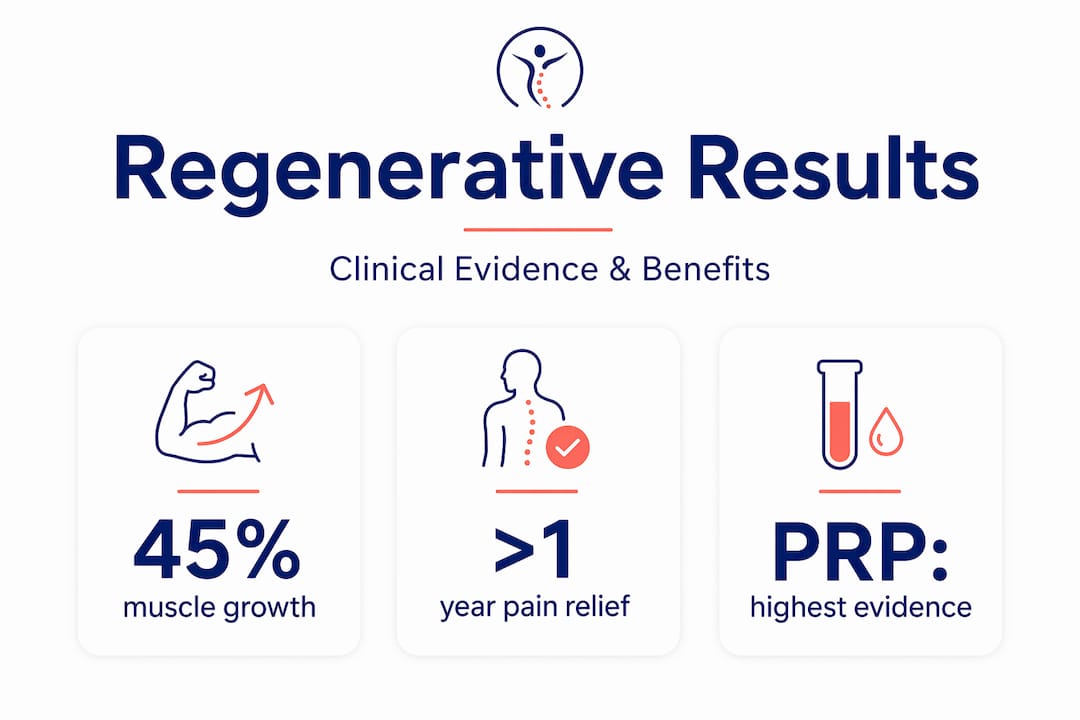
For PRP, a nine-study meta-analysis found meaningful improvement in WOMAC scores for osteoarthritis patients, with younger patients (under 60) responding better than older cohorts. This age differential matters if you are 70 or older. You may still benefit, but the degree of improvement is likely more modest. Dosing frequency is equally important. Excessive PRP injections may cause joint irritation rather than additional benefit.
For traumatic osteoarthritis specifically, PRP reduces pain and improves function, though more rigorously powered trials are still needed to establish definitive protocols.
- What patients commonly report: Reduced pain at rest and during activity, improved range of motion over 3 to 6 months, and less reliance on anti-inflammatory medications
- What the research confirms: Short- to mid-term improvements in joint function for PRP; adjunctive benefit for stem cell therapies in early osteoarthritis
- What remains uncertain: Long-term durability of results, optimal repeat treatment intervals, and ideal patient selection criteria
“Legitimate regenerative treatments are advancing with cautious optimism focused on clinical safety and efficacy rather than marketing hype.” — Stem cell therapy safety perspective
One thing we see regularly is patients who arrive having read marketing materials from clinics claiming dramatic results. The language around aging reversal treatments is often far ahead of the actual science. When a clinic promises to “restore a 30-year-old joint in a 75-year-old patient,” that is not grounded in current clinical reality. What you can reasonably expect is measurable pain reduction, better mobility, and an improved ability to participate in daily activity.
Potential risks and safety considerations
The risks in regenerative medicine come less from the science itself and more from how treatments are being sold and administered outside of proper clinical oversight.
- Unregulated products: The FDA has issued warnings about unapproved exosome products and certain stem cell preparations linked with adverse events including blindness and tumor formation. No exosome product has received FDA approval as of 2026.
- Immune reactions: Allogeneic (donor-sourced) stem cells carry risk of graft-versus-host disease (GVHD), which can be severe. Immune reactions and tumor growth are documented risks that require long-term monitoring.
- Infection and contamination: Any injection procedure carries infection risk. Clinics not following Good Manufacturing Practices for cellular product preparation increase that risk substantially.
- Stem cell tourism: Traveling abroad for stem cell treatments that are not approved in the United States may expose you to unvalidated dosing, unverified cell sources, and no legal recourse if something goes wrong.
- Misleading marketing: Many clinics use the term “regenerative” loosely, applying it to products or protocols with no supporting clinical data.
Pro Tip: Before committing to any regenerative treatment, verify that the clinic uses FDA-regulated biologics, has physicians directing the procedure, and can provide peer-reviewed references for their specific protocol. If they cannot, that tells you something important.
Long-term monitoring after treatment is not optional. It is a necessary part of responsible care, especially for cell-based therapies where immune responses and tumorigenesis remain open questions. Any provider who dismisses the need for follow-up appointments is not practicing regenerative medicine responsibly.
Practical guidance before pursuing treatment
If you or a family member is seriously considering regenerative therapy, this section is worth reading before any consultation.
Assess your candidacy honestly. These treatments tend to work best in early-to-moderate disease stages. Severe, end-stage joint degeneration is usually better addressed surgically. Your orthopedic provider can help you determine where you fall on that spectrum.
Questions to ask any regenerative clinic:
- What specific product will you use, and is it FDA-regulated?
- What is the evidence base for your specific protocol, and can you share it?
- How do you adjust treatment for older patients or those with multiple health conditions?
- What follow-up monitoring do you provide after treatment?
- What are the realistic outcomes for someone with my diagnosis and age?
Compare your options without dismissing conventional care. Non-invasive regenerative options like PRP therapy work well alongside physical therapy, weight management, and anti-inflammatory strategies. They are rarely a standalone answer, but as part of a broader plan they can meaningfully shift your quality of life.
For caregivers: You play a real role in this process. Help the person in your care prepare their medical history and medication list before consultations. Ask questions alongside them, particularly about potential drug interactions with biologic treatments and what the recovery period realistically looks like.
Managing timelines matters. PRP results often take 4 to 8 weeks to become noticeable, with peak benefit around 3 to 6 months. Cell-based therapies may take longer. Expecting immediate results leads to premature disappointment and poor treatment decisions.
My honest perspective on where regenerative medicine stands
We see a lot of patients come through our doors hopeful and confused in equal measure. They have read about stem cell breakthroughs, watched YouTube testimonials, and sometimes paid thousands of dollars elsewhere without seeing results. I understand the appeal. When pain limits your life, you want something that really works.
What I have learned over years in this field is that the gap between research promise and clinical reality is real, and it is not going away quickly. The science is genuinely advancing. The preclinical data on regenerative approaches to aging is some of the most exciting I have seen. But clinical translation takes time, and patient safety has to come first.
My honest take: PRP has earned its place in the treatment toolkit for joint conditions, particularly in the knee. Stem cell therapy for orthopedic applications is showing real adjunctive value, but it is still being refined. For older adults, the most important thing is not finding the most aggressive treatment. It is finding the right one, at the right stage, with appropriate oversight.
Stay skeptical of dramatic promises. Stay open to what legitimate therapies can offer. And talk to your physician honestly about where regenerative options fit into your specific situation.
— Felix
How Nortex Tissue Regeneration can help
At Nortex Tissue Regeneration, we work with older adults and caregivers who are looking for non-surgical options to address joint pain, tissue degeneration, and mobility challenges. Our approach starts with an honest conversation about your diagnosis and treatment history, not a sales pitch.
We offer PRP therapy using evidence-based preparation protocols designed to maximize platelet concentration and growth factor delivery. For patients who are candidates for cell-based treatment, our stem cell therapy and bone marrow cell therapy programs follow regulated protocols with individualized treatment plans. Every decision we make is grounded in what the current evidence supports.
If you are weighing your options or wondering whether regenerative treatment is appropriate for your situation, we encourage you to schedule a consultation with our team. We will give you a straight answer, not a list of promises.
FAQ
What is the role of regenerative treatments in aging?
Regenerative treatments support the body’s natural repair processes by reducing inflammation and stimulating tissue healing, helping older adults recover mobility and reduce joint pain rather than fully reversing aging damage.
How does PRP therapy work for aging joints?
PRP uses concentrated platelets from your own blood to deliver growth factors directly to a damaged joint, reducing inflammation and promoting tissue repair. It has the strongest clinical evidence among non-surgical regenerative options for conditions like knee osteoarthritis.
Is stem cell therapy approved for aging-related joint conditions?
Most stem cell therapies for orthopedic conditions remain investigational in the United States. Bone marrow transplantation is the only stem cell therapy with firmly established regulatory approval; other applications are still being studied in clinical trials.
What risks should I know about before trying regenerative treatment?
Risks include infection, immune reactions, and in unregulated products, tumor formation. The FDA has issued warnings against unapproved exosome and some stem cell products. Always confirm your provider uses FDA-regulated biologics and follows clinical protocols.
How long does it take to see results from PRP or stem cell therapy?
PRP results typically become noticeable within 4 to 8 weeks, with peak improvement around 3 to 6 months. Cell-based therapies may take longer, and individual responses vary based on age, diagnosis, and overall health status.