

If you’re dealing with chronic joint pain or a nagging injury that hasn’t responded to rest, physical therapy, or anti-inflammatory medications, you’re not alone. Many active adults and athletes reach a point where surgery feels like the only option left. But the regenerative therapy process overview that follows will show you there’s a meaningful alternative worth understanding. Therapies like PRP, stem cell treatment, prolotherapy, and viscosupplementation are increasingly used to help the body repair damaged tissue without going under the knife. This guide walks you through how each method works, what happens during treatment, and what realistic outcomes actually look like.
Table of Contents
- Key takeaways
- Understanding regenerative medicine techniques
- What to know before you start
- Step-by-step overview of the treatment process
- Common risks, limitations, and what can go wrong
- What to expect after regenerative therapy
- My honest perspective after years with regenerative medicine patients
- Explore regenerative therapy options at Nortex Tissue Regeneration
- FAQ
Key takeaways
| Point | Details |
|---|---|
| Multiple therapy types exist | PRP, stem cells, prolotherapy, and viscosupplementation each work through different biological mechanisms. |
| Preparation matters as much as treatment | A thorough medical evaluation and provider selection significantly affect your outcomes. |
| The process is multi-step | Treatment involves consultation, sample collection, lab processing, injection, and monitored recovery. |
| Results take time | Most patients see gradual improvement over weeks to months, not immediate relief. |
| Not all damage responds equally | Localized defects respond better than widespread arthritic conditions. |
Understanding regenerative medicine techniques
Regenerative medicine works on a straightforward principle: instead of masking pain or removing damaged tissue, it gives your body the biological signals it needs to repair itself. The regenerative medicine market is valued at USD 49.4 billion in 2026, reflecting how rapidly clinicians and patients alike are turning to these methods.
Here is a quick overview of the main regenerative medicine techniques used for joint and tissue repair:
- Platelet-Rich Plasma (PRP): Blood is drawn from your arm, spun in a centrifuge to concentrate platelets 5 to 10 times their normal level, then injected at the injury site. PRP provides relief lasting six months or more in many cases, which generally outlasts corticosteroid injections.
- Stem cell therapy: Cells harvested from your own bone marrow or fat tissue are processed and injected to promote healing. Stem cells reduce inflammation, stimulate blood vessel formation, and may differentiate into cartilage or bone cells depending on the environment they enter.
- Prolotherapy: A dextrose solution, typically at concentrations between 12.5% and 25%, is injected into damaged tissue to deliberately trigger a controlled inflammatory response that recruits repair cells to the area.
- Viscosupplementation: Hyaluronic acid is injected into arthritic joints to restore the viscosity and shock-absorbing quality of synovial fluid, typically over a series of injections spanning several weeks.
An important comparison: prolotherapy deliberately causes localized inflammation to kick-start healing, while PRP and stem cell therapy work by delivering concentrated biological repair agents. Neither approach is universally superior. The right choice depends on your specific diagnosis, the extent of tissue damage, and your overall health.
Emerging therapies using exosomes and cell-free secreted factors are also gaining attention, promising improved safety and more targeted delivery. These are not yet widely available in standard clinical practice, but they represent where the field is heading.
Pro Tip: Ask any provider specifically which type of regenerative therapy they recommend for your diagnosis and why. A reputable clinic will explain the biological rationale, not just name the treatment.
What to know before you start
Before you schedule a treatment, you need a clear picture of whether regenerative therapy is the right fit for your condition. This step is where many patients rush, and it often leads to disappointment.
A thorough pre-treatment process includes several important assessments:
- Imaging and diagnosis: MRI or X-rays help confirm the extent of cartilage loss, ligament damage, or tendon injury. Your provider needs to know exactly what they are targeting.
- Health screening: Certain conditions, including active infection, blood disorders, or immune suppression, can make some regenerative therapies inappropriate or risky.
- Medication review: Some anti-inflammatory medications, including NSAIDs like ibuprofen, can blunt the healing response that regenerative therapies rely on. Your provider may ask you to stop these before treatment.
- Realistic goal-setting: Regenerative therapies treat small, localized cartilage defects more effectively than widespread osteoarthritis. If you come in expecting a cure for advanced joint degeneration, you are likely to be disappointed.
- Provider verification: You want a clinic operating within evidence-based protocols, not one making sweeping promises. Unregulated stem cell clinics carry real risks, including abnormal cell growth and immune rejection.
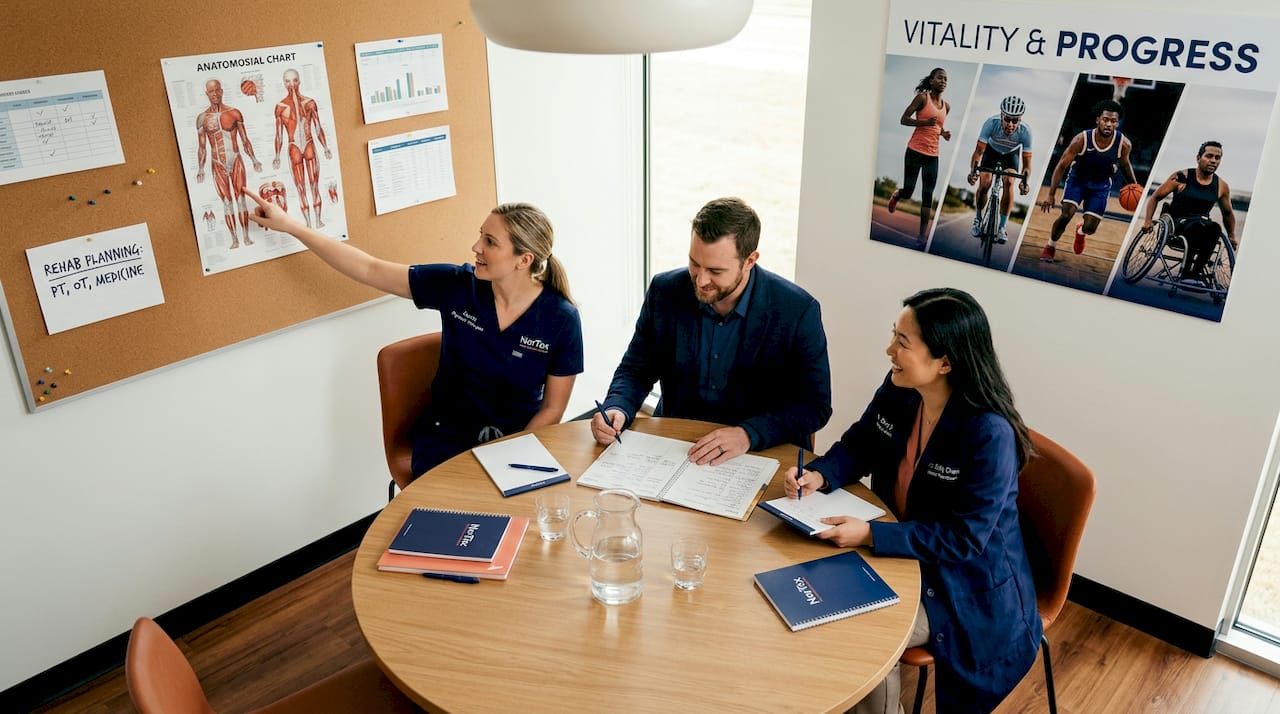
Selecting a provider who works within an interprofessional team, including physical therapists and rehabilitation specialists, gives you a much stronger foundation for recovery. Multidisciplinary care teams consistently improve monitoring, personalization, and long-term outcomes in regenerative medicine.
Pro Tip: Before committing to any clinic, ask whether their protocols follow published clinical guidelines and whether they track patient outcomes over time. If they cannot answer clearly, look elsewhere.
Step-by-step overview of the treatment process
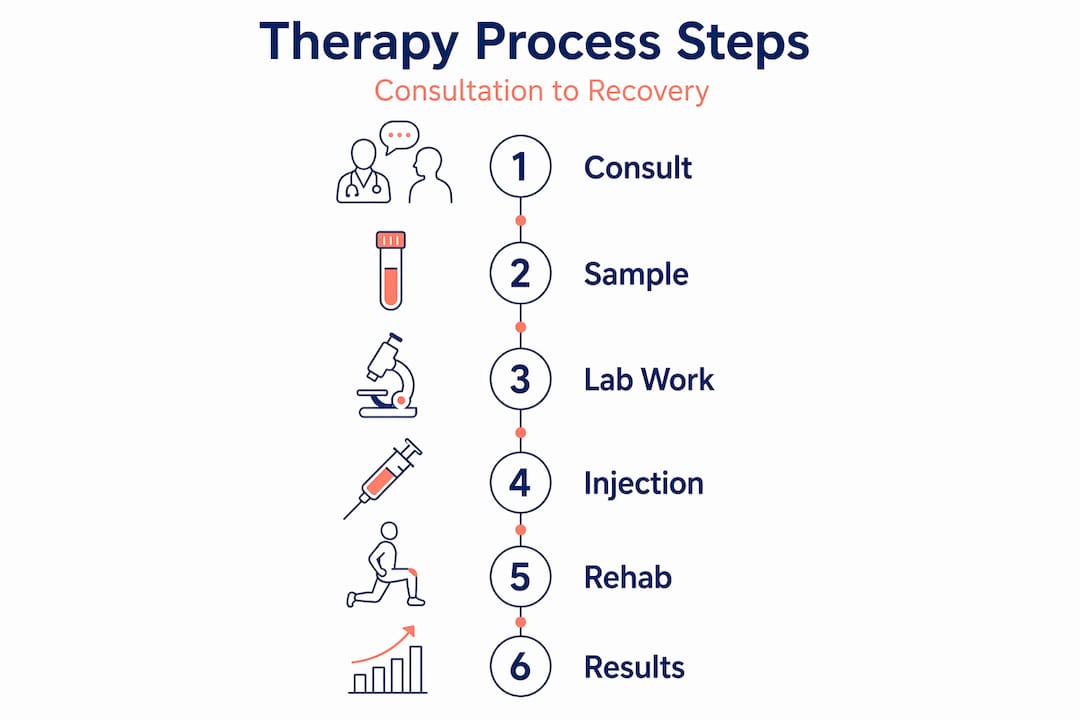
Understanding what actually happens during regenerative therapy removes a lot of the uncertainty patients feel going in. Here is how the process typically unfolds from start to finish.
-
Initial consultation: Your physician reviews your history, imaging, and goals. Together, you select the most appropriate therapy. This visit may also include a physical examination of the affected joint.
-
Sample collection: For PRP, a standard blood draw is taken from your arm. For stem cell therapy, bone marrow is typically aspirated from the hip, or fat tissue is extracted from the abdomen through a minor procedure performed under local anesthetic.
-
Lab processing: PRP is created by spinning blood in a centrifuge for approximately 15 minutes. Stem cells undergo more complex processing, including cell isolation and viability testing. Rigorous lab protocols are critical here. Sterile conditions and careful cell handling directly affect how safe and effective your treatment will be.
-
Injection and delivery: The concentrated material is injected precisely into the target tissue, often guided by ultrasound imaging to confirm accurate placement. Because cell homing efficiency after injection is often less than 5%, precise delivery is not optional. It directly affects how many cells actually reach and stay at the injury site.
-
Post-treatment monitoring: You will typically be asked to limit strenuous activity for a short period after each session. Mild soreness or swelling at the injection site is normal and expected.
-
Follow-up sessions: Most patients require multiple treatments spaced two to six weeks apart, depending on the therapy and the tissue being treated.
The table below outlines typical timelines for each major therapy type:
| Therapy | Sessions needed | Time between sessions | When to expect changes |
|---|---|---|---|
| PRP | 1 to 3 | 2 to 4 weeks | 4 to 12 weeks post-treatment |
| Stem cell therapy | 1 to 2 | 4 to 6 weeks | 6 to 16 weeks post-treatment |
| Prolotherapy | 3 to 6 | 3 to 6 weeks | 8 to 16 weeks into series |
| Viscosupplementation | 3 to 5 | 1 week | 4 to 8 weeks post-series |
Pro Tip: Keep a symptom journal during your treatment series. Tracking pain levels, range of motion, and activity capacity on a weekly basis gives your provider real data to work with and helps you see gradual progress that is easy to miss day to day.
Common risks, limitations, and what can go wrong
No treatment comes without limits. Understanding the risks of regenerative therapy ahead of time helps you make a fully informed decision and recognize when something needs your provider’s attention.
The most common side effects are mild and temporary. These include localized pain, swelling, or stiffness at the injection site lasting two to five days after treatment. Some patients experience a brief flare of symptoms before improvement begins. This is especially common with prolotherapy, which intentionally provokes a healing response.
More serious risks are generally associated with poorly regulated clinics rather than the therapies themselves. These include:
- Immune reactions when allogeneic (donor-derived) cells are used without proper matching
- Risk of tumor formation or abnormal tissue growth from unverified stem cell sources
- Infection from non-sterile preparation or delivery procedures
- Ineffective outcomes when treatment is applied to conditions outside the therapy’s evidence base
“Patients are advised to avoid clinics offering stem cell treatments outside of regulated clinical trial settings. The risks of unproven procedures are real and well-documented.” — Adapted from clinical safety guidance reviewed by regenerative medicine specialists.
Another limitation worth knowing: not everyone responds at the same rate. Younger patients with localized damage and no systemic inflammatory conditions tend to see the strongest outcomes. If you have extensive joint degeneration or underlying conditions that impair healing, results may be more modest. When localized tissue repair is the goal rather than reversing widespread arthritis, regenerative therapy can be highly effective. If your damage has progressed significantly, surgery may still be the more appropriate path, and a good provider will tell you that honestly.
What to expect after regenerative therapy
Recovery from regenerative treatment does not follow a dramatic timeline. Progress is usually gradual, and that is actually a sign that the biology is working as it should.
Most patients track their improvement across several stages:
- Weeks one to four: Mild soreness subsides. Some patients notice early reductions in baseline pain, though many do not yet feel significant change.
- Weeks four to eight: Mobility often begins to improve. Stiffness decreases, and daily activities become more comfortable.
- Months two to four: The most noticeable functional gains tend to appear in this window. Patients report better joint stability, reduced pain during activity, and improved range of motion.
- Months four and beyond: Tissue remodeling continues. For some patients, a maintenance treatment session at six to twelve months helps sustain gains.
Rehabilitation plays a real role in how well you recover. Regenerative therapy creates a window of improved tissue quality, but physical therapy and appropriate exercise help you build on that improvement. Ignoring rehabilitation is one of the most common reasons patients plateau. You can learn more about how this supports function in our article on improving joint mobility through regenerative care.
The scope of what these treatments can achieve is real but defined. They work best for localized damage and earlier-stage degeneration. Managing expectations honestly is not pessimism. It is what actually prepares you to get the most out of your treatment.
My honest perspective after years with regenerative medicine patients
I’ve sat across from a lot of patients who arrived at their first consultation with two things in common: genuine pain and a story about feeling let down by every treatment they had tried before.
What I’ve learned is that the patients who do best are not necessarily those with the mildest injuries. They are the ones who understand the process well enough to commit to it fully, including the preparation, the recovery, and the follow-up care. Regenerative therapy is not passive. You are an active participant in your own healing.
The misconception I encounter most often is that stem cells or PRP will erase damage the way surgery sometimes can. They do not work that way. What they do, when applied correctly, is give your tissue the conditions it needs to repair itself more effectively. That is genuinely meaningful, and for the right patient with the right condition, it changes quality of life in ways that are hard to overstate.
I’m also cautious about the hype in this field. The technology is real, the evidence is growing, and the future is genuinely promising. But I’ve seen patients spend significant time and money at clinics that were operating on enthusiasm rather than protocol. If a provider cannot explain their process clearly, that tells you something important. Knowing how to choose evidence-based treatments is as important as understanding the therapy itself.
— Felix
Explore regenerative therapy options at Nortex Tissue Regeneration
At Nortex Tissue Regeneration, we specialize in non-surgical regenerative care for joint pain, sports injuries, and degenerative conditions throughout North Texas. Our team offers stem cell therapy, PRP therapy, and bone marrow cell therapy, each delivered through evidence-based protocols tailored to your specific diagnosis and goals.
We do not offer a single solution for every patient. We begin with a thorough assessment, confirm that regenerative therapy is appropriate for your condition, and build a personalized treatment plan designed around real clinical outcomes. If you are ready to understand whether these therapies are the right fit for your situation, we invite you to schedule a consultation with our team. We will give you honest answers, clear expectations, and a path forward built on sound medical practice.
FAQ
What is the regenerative therapy process step by step?
The process typically involves an initial consultation, sample collection (blood draw or bone marrow aspiration), lab processing, ultrasound-guided injection, and a monitored recovery period with follow-up sessions spaced weeks apart.
How long does it take to see results from regenerative therapy?
Most patients begin noticing meaningful improvement between four and twelve weeks after starting treatment, depending on the therapy type and the extent of tissue damage.
Is regenerative therapy safe?
When performed by qualified providers following regulated protocols, regenerative therapies carry low risk. The main risks involve unverified stem cell clinics operating outside clinical trial settings, which patients should avoid.
Who benefits most from regenerative therapy?
Patients with localized joint or tissue damage, earlier-stage degeneration, and no major systemic health conditions tend to respond best. Widespread advanced arthritis responds less predictably to these treatments.
Can regenerative therapy replace surgery?
For many patients with specific conditions like tendon injuries, small cartilage defects, or early joint degeneration, regenerative therapy can successfully delay or avoid surgery. However, it is not a replacement for surgical intervention in all cases, and a qualified provider will tell you when surgery remains the better option.