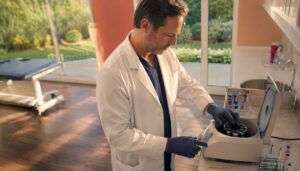

Yes, in many cases you can meaningfully rejuvenate knees without surgery. For adults with early-to-moderate osteoarthritis (OA), post-injury joint changes, or degenerative wear that hasn’t yet reached end-stage, non-surgical options can deliver real reductions in pain, measurable gains in function, and a slower rate of decline. Full cartilage regrowth is rarely the outcome, and it’s worth being honest about that upfront. What the evidence consistently supports is sustained inflammation control, improved joint mechanics, and better quality of life.
Who benefits most? Patients with Kellgren-Lawrence grade 1–3 OA, active adults who want to delay or avoid knee arthroplasty, and those recovering from ligament or cartilage injuries where the joint environment still has regenerative potential. If you’re in that group, the most practical first step is a guided physical therapy program combined with a specialist consult to assess whether you’re a candidate for regenerative injection therapy.
The main non-surgical categories covered in this article:
- Lifestyle and rehab: targeted exercise, weight management, activity modification, bracing
- Conventional injections: corticosteroid, hyaluronic acid (viscosupplementation)
- Regenerative injections: Platelet-Rich Plasma (PRP), Bone Marrow Aspirate Concentrate (BMAC) / autologous mesenchymal stem cell approaches, prolotherapy
- Physical modalities: SoftWave / shockwave therapy, Extracorporeal Magnetotransduction Therapy (EMTT)
- Procedural pain management: Radiofrequency ablation (RFA)
- Clinic-directed multimodal plans combining the above with structured rehabilitation
Table of Contents
- What daily habits actually protect your knee joints?
- What are your non-surgical treatment options for knee pain?
- What does the evidence actually show about regenerative knee treatments?
- How do you choose the right non-surgical pathway for your knee?
- When does non-surgical care stop being enough?
- How Nortex Tissue Regeneration evaluates and treats knee conditions
- What do regenerative knee treatments cost, and when do results appear?
- Key Takeaways
- What clinicians actually see in practice
- Nortex Tissue Regeneration offers a clear path forward for your knee
- Useful sources and further reading
- FAQ
What daily habits actually protect your knee joints?
The foundation of any knee rejuvenation plan isn’t an injection. It’s controlled, progressive loading through targeted exercise, and it’s the one thing every credible clinical guideline agrees on. Strength training and aerobic exercise are among the most evidence-backed interventions for knee OA, reducing pain and improving function through multiple mechanisms: strengthening the muscles that absorb joint load, improving proprioception, and reducing systemic inflammation.
The exercises that matter most
A well-designed program focuses on three muscle groups: the quadriceps, hip abductors, and the posterior chain (glutes and hamstrings). Weakness in any of these shifts load onto the joint surface itself. A physical therapist typically starts with isometric quad sets and straight-leg raises, progresses to terminal knee extensions and step-ups, and eventually introduces single-leg balance and low-impact functional movements. Aquatic exercise is a useful bridge for patients who find land-based loading too painful early on.

What to avoid: high-impact repetitive loading (running on hard surfaces, jumping), repeated deep squatting under load, and pivoting sports until the joint is adequately conditioned. These don’t have to be permanent restrictions, but they’re worth respecting during the early recovery phase.
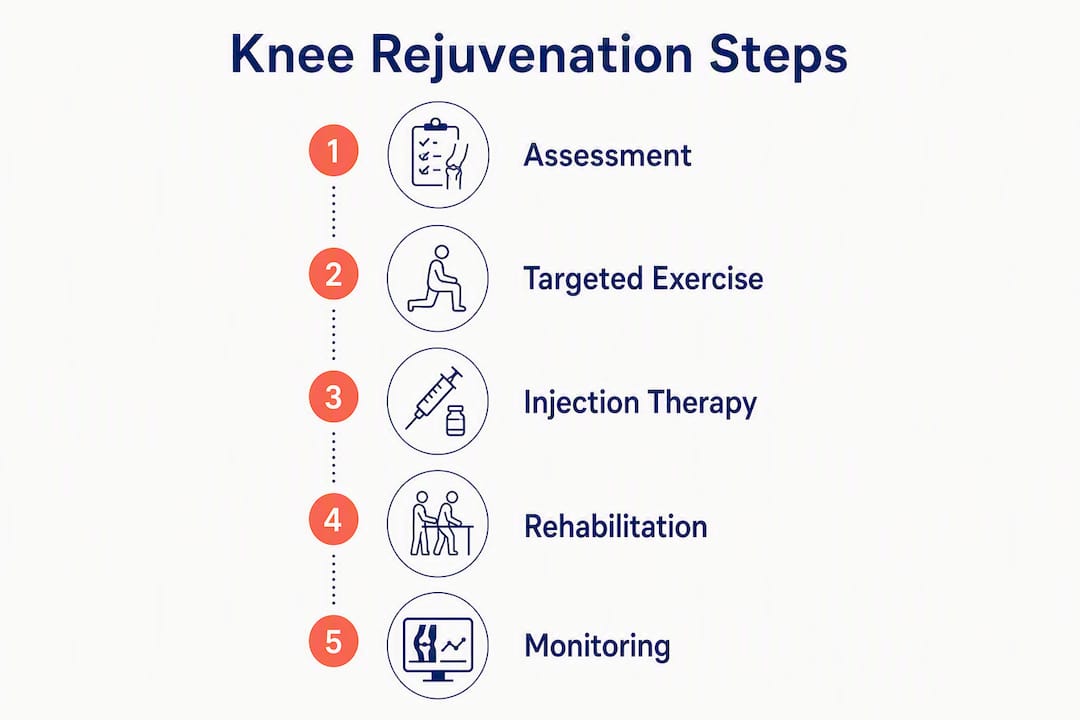
Weight management is the other variable that moves the needle. Every pound of body weight translates to roughly three to four pounds of force across the knee joint during walking. Even modest reductions in body weight can meaningfully reduce daily joint stress.
- Medial unloader bracing for varus-pattern OA (shifts load off the medial compartment)
- Kinesiology taping for patellar tracking issues
- Topical NSAIDs (diclofenac gel) as a lower-systemic-risk pain management option
- Supportive footwear with adequate cushioning and neutral alignment
Pro Tip: If you’ve been doing general gym exercises for months without improvement, the issue is usually specificity, not effort. A physical therapist can identify the exact muscle imbalances driving your pain and build a progression that actually addresses them.
When to seek a guided PT program rather than self-directing: if your pain is limiting daily activities, if you’ve had a prior knee injury or surgery, or if you’re preparing for a regenerative procedure. Structured PT before and after injection therapy consistently improves outcomes.
What are your non-surgical treatment options for knee pain?
The range of non-surgical options has expanded considerably, and they don’t all work the same way or suit the same patient. The table below organizes the main categories by the dimensions that matter most when choosing.
| Treatment | Evidence strength | Invasiveness / downtime | Best-fit patient | Timeline to benefit | Key risks / side effects | Typical U.S. cost |
|---|---|---|---|---|---|---|
| Physical therapy | Strong (RCT-backed) | None | All stages; foundational | 4–12 weeks | Muscle soreness | Varies; often insurance-covered |
| NSAIDs / topical analgesics | Moderate | None | Mild-moderate pain, short-term | Days to weeks | GI/renal risk (oral); minimal topical | Low |
| Corticosteroid injection | Moderate short-term | Minimal; 1–2 days rest | Acute flare, moderate OA | Days to 2 weeks | Transient flare, cartilage risk with repeat use | — |
| Hyaluronic acid (HA) | Moderate | Minimal | Mild-moderate OA, HA responders | 4 weeks | Local reaction, rare pseudoseptic reaction | — |
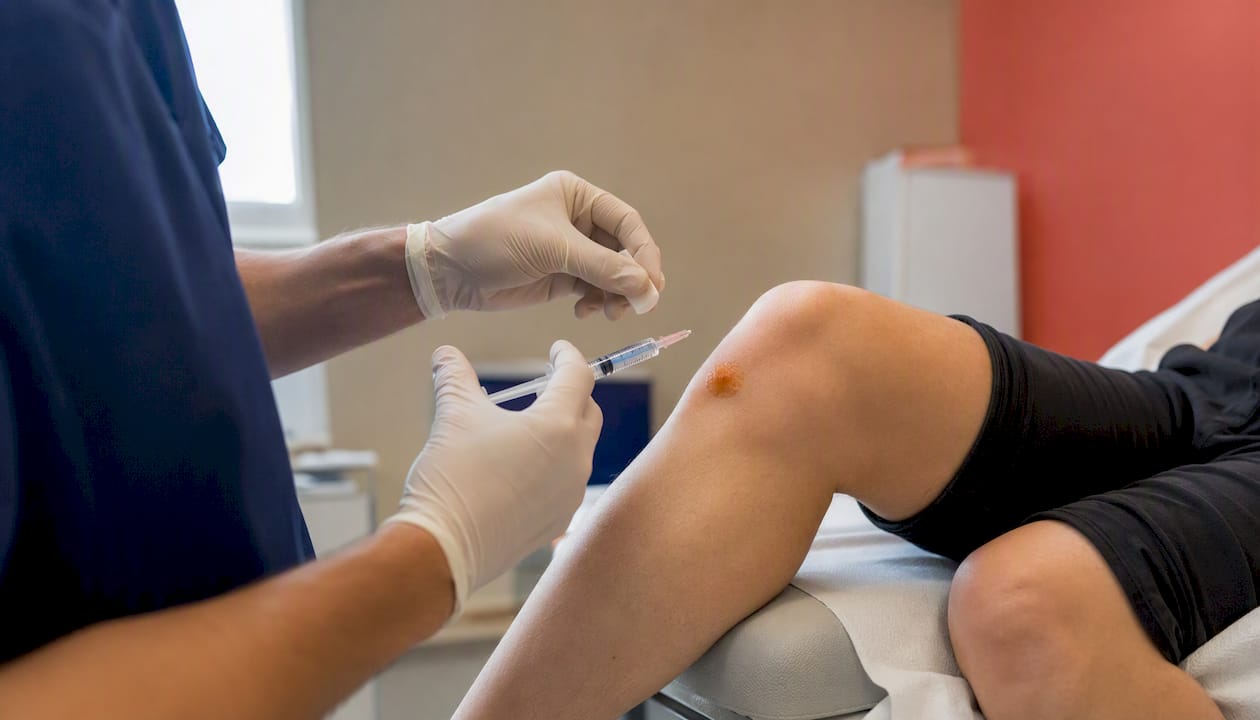
| PRP (LP-PRP / L-PRP) treatments typically result in pain relief appearing within several weeks, with peak measurable benefit around six months after injection according to a meta-analysis of 62 trials. |
Combination therapies such as PRP plus hyaluronic acid may provide longer-lasting improvements, ranking strongest for pain and function at one year in a network meta-analysis. Bone marrow aspirate concentrate and autologous MSC treatments require more involved procedures and may take longer to show effect, though these options hold promise for certain patients.
| Prolotherapy | Limited RCT data | Minimal | Ligament laxity, mild OA | 6–12 weeks | Local pain, rare infection | — |
| Shockwave / SoftWave | Moderate (tendon/OA) | None | Tendinopathy, early-moderate OA | 4 weeks | Transient soreness | — |
| EMTT | Emerging | None | Inflammatory OA, adjunct use | 4 weeks | Minimal reported | — |
| RFA (radiofrequency ablation) | Good for pain relief | Moderate; brief recovery | Moderate-severe OA, poor surgical candidates | 2–6 weeks | Numbness, rare neuroma | — |
A few practical notes on PRP specifically, because formulation matters more than most patients realize. Leukocyte-rich (L-PRP) and leukocyte-poor (LP-PRP) preparations both produce clinically meaningful pain and function improvement at six months, with no statistically significant efficacy difference between them in direct comparisons. LP-PRP may produce fewer transient local adverse events, which is relevant for patients with lower pain tolerance or inflammatory conditions. What does appear to matter is platelet dose: a systematic review and meta-analysis of 62 trials found that blood draw volumes of 40 mL or more were associated with larger improvements in both pain and function scores.
Combination approaches such as PRP plus hyaluronic acid ranked ahead of single-agent injectables for pain and function at one year in a network meta-analysis of 37 RCTs involving 5,089 patients. That finding is worth knowing before you commit to a single-modality plan.
What does the evidence actually show about regenerative knee treatments?
The honest answer is that the evidence is encouraging but not uniform, and the gap between what’s marketed and what’s proven is real. Here’s what the data actually supports.
Key finding: In a systematic review and meta-analysis of 62 RCTs involving 4,969 patients, PRP outperformed hyaluronic acid, corticosteroids, and saline on both pain (VAS) and function (WOMAC) at six months, with benefits maintained versus HA and corticosteroids at 12 months.
PRP’s peak measurable benefit tends to appear around six months. After that, some decline is typical unless maintenance therapy or a combination strategy is used. That’s not a failure of the treatment — it reflects the biology of an ongoing degenerative process. Planning for maintenance from the start is more realistic than expecting a single injection to hold indefinitely.
What the evidence supports most clearly:
- Sustained reduction in pain and inflammation (the most consistently documented benefit)
- Improved functional scores (WOMAC, KOOS) at six to twelve months
- Modest structural benefits in some BMAC/MSC trials, though cartilage regrowth as a primary outcome remains inconsistent
What the evidence does not reliably support:
- Full cartilage regeneration from a single injection series
- Permanent reversal of structural OA changes
- Equivalent results regardless of formulation or protocol
A major caveat: heterogeneity across trials is significant. Many RCTs don’t report platelet dose, preparation method, or leukocyte content, which makes pooled estimates harder to interpret. Standardized reporting is an active area of improvement in the field. This is exactly why asking your clinic for protocol specifics isn’t just due diligence — it’s clinically meaningful.
BMAC and autologous mesenchymal stem cell approaches show promise, particularly for earlier-stage OA. A double-blind, randomized placebo-controlled phase 3 study evaluating bone marrow-derived mesenchymal stromal cells in grade 2 and 3 knee OA found meaningful WOMAC improvements over two years. The evidence base is still developing compared to PRP, but the trajectory is positive.
For RFA, the mechanism is different: it targets the genicular nerves that transmit knee pain signals rather than the joint tissue itself. Pain relief is often faster and can be substantial, but it doesn’t address the underlying joint pathology. It’s most appropriate for patients with moderate-to-severe OA who aren’t surgical candidates or who need pain control while pursuing other therapies.
Pro Tip: Before any regenerative injection, ask the clinic three specific questions: What is the blood draw volume and expected platelet concentration? Is image guidance (ultrasound or fluoroscopy) used for needle placement? What is the follow-up protocol, and when will outcomes be reassessed? A clinic that can answer these clearly is operating at a higher standard of care.
Understanding what “evidence-based” actually means in regenerative medicine helps you evaluate those answers accurately.
How do you choose the right non-surgical pathway for your knee?
The right treatment depends on your specific clinical picture, not on what worked for someone else. Here’s the framework clinicians use.
Step-by-step selection process
- Get baseline imaging. An X-ray establishes OA grade (Kellgren-Lawrence scale). MRI adds soft tissue detail when cartilage, meniscus, or ligament involvement is suspected. You need this before any regenerative procedure.
- Assess your symptom pattern. Is your pain primarily inflammatory (worse in the morning, improves with movement)? Mechanical (worse with loading, better at rest)? Mixed? This guides whether anti-inflammatory approaches or structural support is the priority.
- Review what you’ve already tried. AAPM&R guidance recommends PRP after failure of standard conservative therapies. If you haven’t completed a structured PT program, that comes first.
- Consider your comorbidities. Uncontrolled diabetes, active infection, blood disorders, or anticoagulant therapy may contraindicate certain injections. Discuss these openly with your clinician.
- Define your activity goals. A recreational runner and a sedentary retiree may have the same OA grade but very different treatment priorities.
- Weigh your timeline and budget. Corticosteroids work faster and cost less but carry cartilage risk with repeated use. PRP and BMAC cost more and take longer but are better aligned with long-term joint health goals.
Questions to ask any clinic before booking
- What PRP preparation system do you use, and what platelet concentration do you target?
- Do you use ultrasound guidance for injection placement?
- How many injections are in the protocol, and what’s the follow-up schedule?
- How do you integrate rehabilitation with the injection series?
- What outcome measures do you track, and when do you reassess?
Red flags and contraindications to know:
- Active joint infection or systemic infection (absolute contraindication)
- Certain platelet disorders or active malignancy
- Unrealistic expectations (expecting full cartilage regrowth or a permanent cure)
- Severe end-stage OA with significant deformity (surgical consultation is more appropriate)
Expert consensus consistently supports earlier intervention: the joint environment is more responsive to regenerative stimuli before severe cartilage loss occurs. Waiting until the knee is bone-on-bone before considering orthobiologics reduces the likelihood of a meaningful response.
For most patients, a reasonable trial of conservative care (structured PT, weight management, topical or oral NSAIDs) over six to twelve weeks is appropriate before moving to regenerative injections. Exceptions include patients with significant functional limitation, those who have already completed conservative care without adequate relief, and those with a time-sensitive activity goal. A regenerative therapy checklist can help you organize this information before your consult.
When does non-surgical care stop being enough?
Non-surgical options work well for a defined patient population, but they have limits. Recognizing when to shift toward surgical consultation is part of making a good decision, not a failure of the non-surgical approach.
Clinical signals that warrant surgical evaluation:
- Progressive loss of function that hasn’t responded to an optimized non-surgical course (typically six or more months of structured care)
- Mechanical symptoms: giving way, locking, or a fixed flexion deformity suggesting structural instability or a loose body
- Radiographic end-stage OA (Kellgren-Lawrence grade 4) with severe joint space narrowing
- Significant varus or valgus deformity that biomechanically undermines any injection benefit
- Persistent severe pain that limits basic daily activities despite multimodal non-surgical management
When these signals appear, the appropriate step is a consultation with an orthopedic surgeon, not necessarily an immediate decision to operate. Surgery options range from osteotomy (realignment for younger patients with compartmental OA) to partial or total knee arthroplasty. Total knee replacement has well-documented outcomes for end-stage OA, with most patients reporting substantial pain relief and functional improvement. Recovery typically spans three to six months before full function returns.
Arthroscopic debridement for degenerative OA is rarely recommended anymore. Multiple trials have shown it offers no meaningful benefit over sham surgery for most degenerative presentations.
The decision to pursue surgery should weigh age, activity goals, comorbidities, and how much the knee is limiting your life. A 55-year-old with grade 3 OA and an active lifestyle may benefit from a regenerative approach that buys two to five years before arthroplasty. An 80-year-old with grade 4 OA and severe daily pain may be better served by going directly to surgical consultation. Both are valid paths.
How Nortex Tissue Regeneration evaluates and treats knee conditions
We see a consistent pattern at Nortex: patients who come in having already tried over-the-counter analgesics, maybe a round of physical therapy, and sometimes a corticosteroid injection that helped briefly but didn’t hold. They’re not looking for a miracle. They want a clear explanation of what’s happening in their knee and a realistic plan.
Our evaluation starts with a thorough history and physical exam, a review of any existing imaging, and a functional assessment that looks at gait, strength deficits, and range of motion. We discuss goals directly: what does “better” look like for you? That conversation shapes everything that follows.
Our non-surgical offerings for knee conditions include:
- PRP therapy: prepared with attention to platelet dose and leukocyte content, delivered under image guidance, with a structured follow-up protocol
- BMAC / autologous mesenchymal stem cell therapy: bone marrow aspirate concentrate for patients with moderate OA who want a more intensive regenerative approach
- SoftWave acoustic therapy: non-invasive shockwave technology for tendinopathy and early-to-moderate OA
- EMTT: electromagnetic transduction therapy used as an adjunct for inflammatory joint conditions
- Prolotherapy: dextrose-based injections for ligament laxity and mild OA
- RFA: genicular nerve radiofrequency ablation for moderate-to-severe OA pain management
- Individualized PT integration: structured rehabilitation built into every treatment plan, not added as an afterthought
A typical care episode at Nortex moves through four phases: initial consult and imaging review, targeted injection or therapy, structured rehabilitation with progressive loading, and a formal outcome assessment at six to twelve weeks. If the response is partial, we adjust. If it’s strong, we plan maintenance. We don’t treat a single injection as the end of the conversation.
Regenerative treatments improve joint mobility most reliably when they’re combined with correcting biomechanical imbalances and optimizing the conditions around the joint. That’s the framework we use, and it’s consistent with what the AAPM&R guidance recommends for individualized PRP care.
What do regenerative knee treatments cost, and when do results appear?
Most regenerative injections are self-pay in the United States. Corticosteroids and some physical therapy sessions may be covered by insurance, but PRP, BMAC, shockwave, and EMTT are typically out-of-pocket expenses. Cost variability is real: geographic location, imaging guidance, lab preparation complexity, and the number of sessions all affect the final figure.
| Treatment | Typical timeline to first benefit | Typical U.S. cost range | Sessions / notes |
|---|---|---|---|
| Corticosteroid injection | Days to 2 weeks | — | 1–3/year; cartilage risk with frequent use |
| Hyaluronic acid (HA) | 4 weeks | — | 1–5 injections per series |
| PRP (single agent) | 6–12 weeks; peak ~6 months | — | 1–3 injections; maintenance at 6–12 months |
| PRP + HA combination | 6–12 weeks; strong at 1 year | — | Series of 2–4; higher upfront, longer durability |
| BMAC / autologous MSC | 8 weeks | — | Usually 1 procedure; includes harvest and prep |
| SoftWave / shockwave | 4 weeks | — | 3–6 sessions typical |
| EMTT | 4 weeks | — | 6–10 sessions typical |
| RFA (genicular) | 2–6 weeks | — | 1 procedure; may repeat at 6–12 months |
A few factors that consistently change the cost: ultrasound or fluoroscopic guidance adds to the procedure fee but improves accuracy and is worth asking about. BMAC involves a separate marrow harvest step with its own preparation cost. Clinics that include structured rehab in the package price often deliver better outcomes than those that don’t.
Because regenerative treatments are cost-intensive, framing them as part of a long-term joint-health strategy rather than a one-time fix helps with budgeting decisions. A single PRP injection at six months may need a maintenance injection at twelve to eighteen months. Building that into your financial planning from the start avoids surprises.
Most clinics offer payment plans or financing. Ask about this directly before your first visit.
Key Takeaways
Non-surgical knee rejuvenation works best when regenerative therapies are combined with structured rehabilitation and selected based on your specific OA stage, goals, and prior treatment history.
| Point | Details |
|---|---|
| Realistic outcomes | Expect meaningful pain reduction and functional gains; full cartilage regrowth is rarely the primary result. |
| Best candidates | Adults with early-to-moderate OA (KL grade 1–3), post-injury patients, and those wanting to delay arthroplasty respond best. |
| PRP evidence | A meta-analysis of 62 trials found PRP superior to HA and corticosteroids at six months, with benefits maintained versus HA and corticosteroids at twelve months; peak measurable benefit appears around six months. |
| Combination therapy | PRP plus HA ranked highest for pain and function at one year in a network meta-analysis of 37 RCTs and 5,089 patients. |
| Nortex Tissue Regeneration | Offers individualized PRP, BMAC, SoftWave, EMTT, prolotherapy, and RFA with integrated rehab and structured outcome tracking. |
What clinicians actually see in practice
Most patients who come in for a knee rejuvenation consult share a similar story. They’ve been managing with ibuprofen for longer than they’d like to admit. They tried physical therapy, maybe inconsistently, and got partial relief. Someone mentioned PRP, or their orthopedist said they weren’t “bad enough yet” for a replacement. So they’re here, somewhere in the middle, wondering what’s actually worth doing.
What we’ve found is that this middle group often responds well to a structured regenerative plan, particularly when they haven’t yet lost significant cartilage volume and when they’re willing to commit to the rehabilitation component. The patients who do best aren’t necessarily the ones with the mildest disease. They’re the ones who follow through on the rehab, show up for follow-up assessments, and adjust their activity patterns during recovery.
The surprise for many patients is that the injection itself is rarely the hard part. The work happens in the weeks after, when the joint is healing and the muscles need to be retrained to support it properly. We’re honest about that from the first visit.
What’s rarely achieved: a complete return to the knee you had at 30. What’s often achieved: meaningful reduction in daily pain, the ability to walk, hike, or exercise without the same level of limitation, and a slower trajectory of decline. For most patients, that’s a genuinely worthwhile outcome.
Nortex Tissue Regeneration offers a clear path forward for your knee
Patients dealing with chronic knee pain often spend months cycling through short-term fixes before finding a plan that actually addresses the underlying problem. At Nortex Tissue Regeneration, the approach is different: every patient starts with a thorough evaluation, and treatment is built around your specific imaging findings, symptom pattern, and functional goals, not a standard protocol applied to everyone.
The clinic’s non-surgical services for knee conditions include PRP therapy with image-guided delivery and protocol transparency, BMAC stem cell therapy for patients seeking a more intensive regenerative option, SoftWave acoustic therapy, EMTT, prolotherapy, and RFA, all integrated with structured rehabilitation.
Before your first visit, it helps to bring any existing X-rays or MRI reports, a list of prior treatments and their outcomes, and a clear sense of your activity goals. Most patients who qualify have already tried conservative care without adequate relief. Insurance typically doesn’t cover regenerative injections, but financing options are available.
To schedule a consult with the Nortex team, visit nortextissueregeneration.com or call the clinic directly. Come with your questions about protocol specifics — a good clinic welcomes them.
Useful sources and further reading
These sources informed the clinical guidance in this article. Reviewing them before a specialist consult can help you ask better questions and evaluate the options presented to you.
AAPM&R Clinical Guidance: PRP for Knee Osteoarthritis-for-knee-osteoarthritis) — Consensus-based practice guidance covering patient selection, PRP preparation, dosing, image guidance, and post-procedural rehabilitation. The most directly applicable clinical reference for anyone considering PRP.
Systematic review and meta-analysis: PRP vs. HA, CS, and saline (International Orthopaedics) — 62 trials, 4,969 patients; quantifies PRP benefit at 6 and 12 months and examines blood draw volume as a proxy for platelet dose.
Bayesian network meta-analysis: long-term injectable effectiveness (Journal of Orthopaedic Surgery and Research) — 37 RCTs, 5,089 patients; ranks combined PRP+HA highest for pain and function at one year.
L-PRP vs. LP-PRP network meta-analysis (Journal of Orthopaedic Surgery and Research) — 21 RCTs, 2,254 patients; compares formulations on efficacy and tolerability.
Treatment of Osteoarthritis of the Knee: An Update Review (NCBI Bookshelf) — Broad evidence review covering exercise, cell-based therapies, and multiple intervention categories; useful for understanding the full treatment spectrum.
Expert consensus on orthobiologic timing (Wiley ESKA Journal) — Supports earlier intervention before severe cartilage loss to optimize regenerative response.
Nature Medicine commentary on evidence prioritization in regenerative medicine — Frames regenerative treatments as long-term joint-health investments and calls for prioritizing RCT-backed options.
FAQ
Can you actually rejuvenate your knees without surgery?
Yes, for many patients with early-to-moderate osteoarthritis. Non-surgical options including PRP, BMAC, physical therapy, and shockwave therapy can meaningfully reduce pain and improve function, though full cartilage regrowth is not a reliable outcome.
What is the one mistake that makes bad knees worse?
Avoiding all loading and movement. Prolonged inactivity weakens the muscles that protect the joint, accelerates stiffness, and removes the mechanical stimulus that cartilage needs to stay healthy. Controlled, progressive exercise is part of the treatment, not a risk to avoid.
What does PRP actually do for knee osteoarthritis?
PRP delivers a concentrated dose of growth factors directly into the joint, reducing inflammation and modulating the tissue environment. A meta-analysis of 62 trials found PRP superior to hyaluronic acid and corticosteroids on pain and function at six months, with benefits maintained versus HA and corticosteroids at twelve months.
Who is a good candidate for BMAC stem cell therapy for the knee?
Patients with moderate OA (typically Kellgren-Lawrence grade 2–3) who haven’t responded adequately to conservative care and want a more intensive regenerative option. A phase 3 randomized trial of bone marrow-derived mesenchymal stromal cells in grade 2–3 knee OA showed meaningful WOMAC improvements over two years.
When should you stop non-surgical treatment and consider knee replacement?
When you have end-stage OA (grade 4), persistent severe functional limitation despite an optimized non-surgical course, or mechanical symptoms like locking or giving way that suggest structural instability. At that point, a surgical consultation is the appropriate next step.