

If you’ve been dealing with chronic joint pain, a stubborn sports injury, or a condition that hasn’t responded well to medications or physical therapy, you’ve likely come across the term cellular therapy. What is cellular therapy, exactly? It’s not a miracle cure and it’s not science fiction. It’s a clinically grounded approach that uses living cells to help your body repair damaged tissue, calm inflammation, and restore function in ways that conventional treatments simply can’t replicate. This guide breaks down what it actually involves, how it works, and what you should realistically expect.
Table of Contents
- Key takeaways
- What cellular therapy actually means
- Types of cellular therapy for pain and recovery
- How cellular therapy works biologically
- Benefits and realistic limitations
- What to expect as a patient
- My perspective on where cellular therapy stands today
- How Nortex Tissue Regeneration approaches cellular therapy
- FAQ
Key takeaways
| Point | Details |
|---|---|
| Living cells, not drugs | Cellular therapy uses transplanted or injected cells to repair tissue, not just manage symptoms. |
| Multiple therapy types exist | Autologous and allogeneic sources power different treatments, including stem cell therapy and PRP. |
| Mechanism is indirect | Cells often work by releasing growth factors and signaling molecules, not by directly replacing tissue. |
| Outcomes vary significantly | Provider quality, regulatory compliance, and your specific condition all shape how much benefit you see. |
| Realistic timelines matter | Most patients observe meaningful improvement over weeks to months, not days. |
What cellular therapy actually means
The cellular therapy definition, at its most precise, is the transplantation or injection of living human cells into a patient to repair or replace damaged tissue, regulate the immune system, or target diseased cells directly. According to clinical definitions, this sets it apart from both pharmaceuticals, which are static chemical compounds, and gene therapy, which alters DNA rather than delivering intact cells.
Three core therapeutic goals organize most cellular therapy applications:
- Tissue repair: Stimulating regeneration in damaged joints, tendons, cartilage, or muscle
- Immune modulation: Calming overactive inflammatory responses that drive chronic pain conditions
- Targeted cell action: Replacing or eliminating specific diseased or dysfunctional cells
What makes this meaningful is that living cells are dynamic. They can sense their local environment, respond to signals, secrete beneficial molecules, and even self-renew in ways no pharmaceutical compound can. A drug delivers a fixed dose of a fixed molecule. A living cell adapts. That adaptability is both the promise and the complexity of cellular therapy.
It also sits within, but is distinct from, the broader category of regenerative medicine. Regenerative medicine encompasses any approach aimed at restoring tissue function, including devices, scaffolds, and growth factors. Cellular therapy is specifically the living cell component of that field.
Pro Tip: When evaluating any provider, ask specifically whether the cells used are regulated under FDA oversight. Therapies that fall outside FDA-approved pathways have considerably more variable quality and outcomes.
Types of cellular therapy for pain and recovery
Not all cellular therapy is the same, and understanding the differences between types helps you ask better questions and make better decisions.
Autologous vs. allogeneic sources
The first distinction is where the cells come from. Autologous therapy uses cells drawn from your own body, processed, and reinjected. Allogeneic therapy uses cells from a healthy donor. Each approach has real tradeoffs:
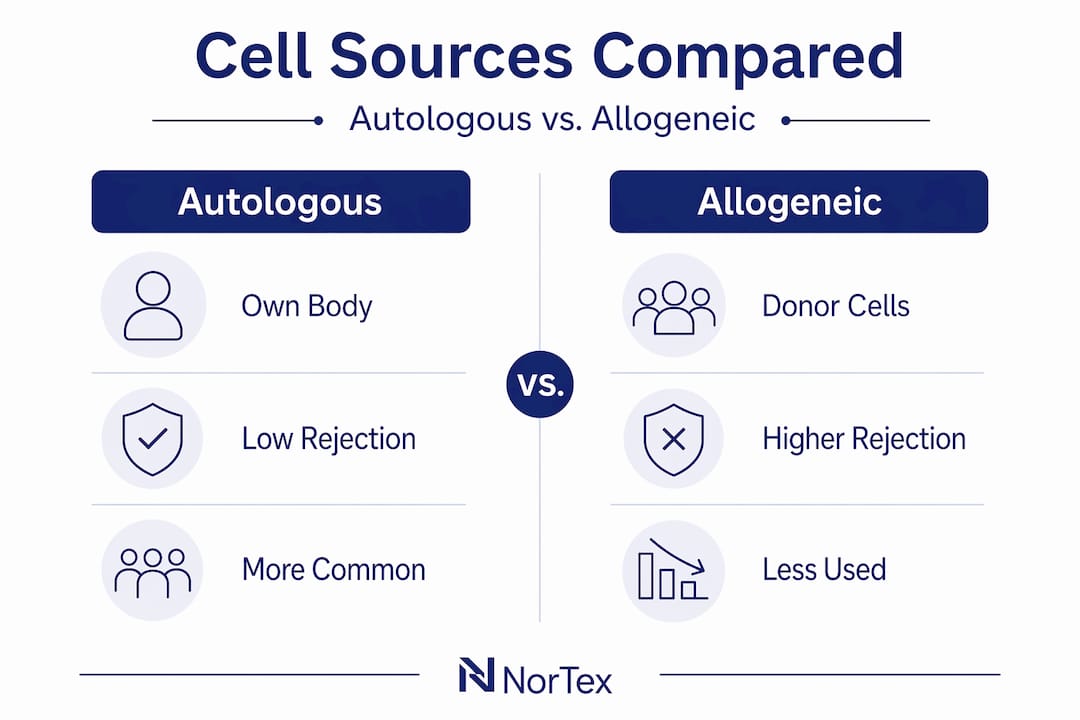
| Feature | Autologous | Allogeneic |
|---|---|---|
| Cell source | Patient’s own body | Healthy donor |
| Immune rejection risk | Very low | Moderate to higher |
| Processing time | Longer (same-day or multi-step) | Often pre-processed and ready |
| Common applications | PRP, bone marrow concentrate | Some stem cell therapies |
| Regulatory status | Generally well-established | More variable |
Autologous therapies dominate the market, accounting for 90% of total revenue share in 2024. That reflects both their safety profile and the strong clinical track record behind treatments like PRP and bone marrow concentrate.
Stem cell therapy and PRP
Stem cell therapy involves using undifferentiated cells that have the potential to become specialized tissue types. In musculoskeletal applications, stem cells are typically drawn from bone marrow or adipose (fat) tissue. They are then concentrated and injected into the affected joint or tissue site to support repair. You can read more about how stem cell therapy works for joint and soft tissue conditions in detail.
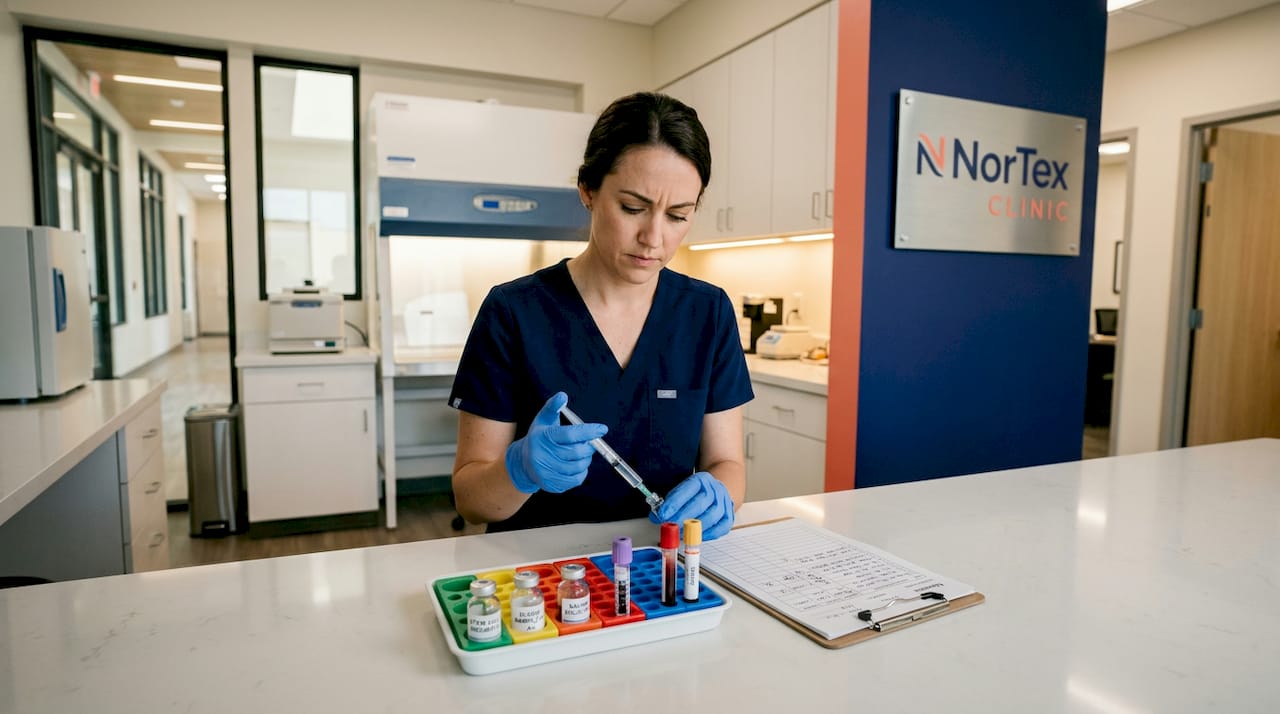
PRP, or Platelet-Rich Plasma, is a related but distinct approach. It involves drawing a small amount of your blood, spinning it in a centrifuge to concentrate the platelets, and injecting that concentrate into the injury site. Platelets carry growth factors that signal the body’s own healing response to accelerate. PRP is not technically a cellular therapy in the traditional sense, but it fits within the same regenerative framework and is often used alongside or compared to stem cell treatments.
If you’re weighing your options, a side-by-side look at PRP vs. stem cell therapy can help clarify which approach fits your specific condition.
Pro Tip: PRP tends to be a practical first step for many musculoskeletal injuries because it uses your own blood, has a well-established safety record, and is more accessible than stem cell procedures.
How cellular therapy works biologically
Understanding the cellular therapy process helps set realistic expectations. The popular image is that injected cells migrate to the damaged site, take root, and rebuild tissue directly. The reality is more nuanced, and arguably more interesting.
Cell homing efficiency to target sites is often less than 5% after administration. That means the majority of transplanted cells don’t reach or permanently engraft at the injury site. This is a recognized challenge across non-oncology cellular therapy applications, including joint repair and soft tissue recovery.
So how does it actually work? The dominant mechanism appears to be paracrine signaling. Injected cells, even those that don’t engraft, release bioactive compounds including exosomes, cytokines, and growth factors that coordinate local inflammation, recruit the body’s own repair cells, and promote tissue regeneration. Think of it less as replacement construction and more as a signal boost to your body’s existing repair systems.
Here’s what those bioactive signals accomplish:
- Growth factors stimulate the production of new cartilage, collagen, and connective tissue
- Cytokines modulate the inflammatory environment so healing can proceed rather than stall
- Exosomes carry molecular instructions that influence how surrounding cells behave and repair themselves
This understanding has driven growing interest in cell-free regenerative medicine, which isolates these beneficial secreted factors without delivering live cells at all. The rationale is that you may get the therapeutic signal without the complications associated with live cell transplantation, including immune reactions and inconsistent engraftment. The global cell therapy market is projected to reach $30.6 billion by 2034, in part because of these next-generation approaches expanding the field’s reach.
Cell regeneration therapy accelerates natural healing cascades by concentrating regenerative elements at injury sites, which is why even the paracrine model produces measurable clinical results for many patients with joint pain and soft tissue injuries.
Benefits and realistic limitations
Cellular therapy offers a meaningful shift in how we approach tissue damage. Rather than managing pain with repeated medication cycles or delaying surgery, it addresses the underlying biology of the injury. We see patients at Nortex Tissue Regeneration who have tried physical therapy, cortisone injections, and anti-inflammatories for years before exploring cellular therapy. For many of them, the difference is significant.
Observed benefits across clinical applications include:
- Accelerated tissue healing and reduced recovery time following injury
- Reduced chronic inflammation in joints affected by arthritis or degeneration
- Potential improvement in functional range of motion and pain scores
- Reduced dependence on pain medications over time
- Non-surgical option that avoids the risks and downtime of procedures like joint replacement
That said, honest communication about limitations matters as much as describing the benefits.
Patients often misunderstand cellular therapy as a guaranteed cure. Setting realistic expectations about benefits and risks is not just responsible, it is clinically necessary for patient outcomes.
Many clinics offering cellular therapy for pain or injury lack standardized manufacturing and rigorous clinical validation, which leads to wide variability in outcomes. Side effects are generally manageable, but patients undergoing more intensive therapies like CAR-T for cancer can experience cytokine release syndrome, and some achieve potentially curative outcomes alongside those risks.
For musculoskeletal applications, side effects at the injection site such as temporary soreness, swelling, or minor bruising are the most common concerns. Serious adverse events are rare in well-administered autologous therapies. The longer-term unknowns are a legitimate reason to choose providers carefully.
Pro Tip: Ask your provider whether their protocols are backed by peer-reviewed research or clinical trials. A credible clinic will be able to point you to the evidence behind their specific approach.
What to expect as a patient
Exploring cellular therapy requires more than understanding the science. You need to know how to evaluate your options practically.
- Verify regulatory compliance. Confirm that your provider operates within FDA guidelines and that the cell products used are either FDA-cleared or fall under recognized exemptions. Therapies outside FDA-approved pathways carry significantly more variability in product quality.
- Understand the full treatment process. Most autologous procedures involve a same-day draw, centrifugation or processing, and injection. Some stem cell protocols require prior lab preparation. Ask specifically what happens before, during, and after your procedure.
- Set a realistic timeline. Most patients begin to notice meaningful changes between four and twelve weeks post-treatment. Some conditions respond faster; others, like significant cartilage degeneration, take longer and may require more than one session.
- Clarify costs and insurance. Most cellular therapy applications for musculoskeletal pain are not covered by standard insurance plans. Costs vary widely by treatment type and clinic. Factor this into your decision-making upfront.
- Avoid unproven therapies. Be cautious of any provider claiming guaranteed results, offering cell products that aren’t clearly identified by source and processing method, or operating outside recognized clinical guidelines.
For a detailed look at how outpatient regenerative therapy works in practice, including realistic outcome data, it’s worth reviewing what the evidence actually shows before you commit to a treatment plan.
My perspective on where cellular therapy stands today
I’ve worked alongside patients who arrived carrying years of frustration. They’ve done the injections, the physical therapy, the anti-inflammatory cycles. They come in asking whether cellular therapy is “real” or just a trend. My honest answer is: it’s real, it’s advancing, and it’s also still developing.
What I’ve found is that the patients who get the most out of cellular therapy are the ones who understand it as a tool for supporting healing, not a switch that gets flipped. The biology is genuinely promising. The paracrine signaling model, in particular, explains a lot of the results we see clinically, even when the engraftment numbers tell a more complicated story.
The shift toward cell-free approaches using exosomes and secretome factors is, in my view, where the most exciting near-term progress is happening. It addresses the core problems of inconsistent engraftment and immune complexity while preserving the therapeutic signal. I think we’ll see these approaches become more standardized over the next five to ten years.
What patients most often miss is the risk-benefit complexity. A good outcome depends on your specific diagnosis, the provider’s clinical rigor, and how well your body responds. That’s not a discouraging fact. It’s a reason to be selective and informed rather than either dismissive or uncritically optimistic.
— Felix
How Nortex Tissue Regeneration approaches cellular therapy
At Nortex Tissue Regeneration, we offer evidence-based regenerative treatments designed for patients dealing with chronic joint pain, sports injuries, and degenerative conditions in North Texas. Our services include stem cell therapy for musculoskeletal repair, PRP therapy for accelerated tissue healing, and bone marrow cell therapy for patients who need a more concentrated regenerative approach. Every treatment plan is personalized based on your diagnosis, imaging, and health history. We don’t offer one-size-fits-all protocols, and we don’t promise outcomes we can’t support with clinical evidence. If you’re ready to explore whether cellular therapy is appropriate for your condition, we encourage you to speak with our clinical team directly.
FAQ
What is the basic cellular therapy definition?
Cellular therapy is the use of living human cells, either from your own body or a donor, to repair damaged tissue, modulate the immune response, or target diseased cells. It differs from conventional drugs in that the cells are dynamic agents capable of responding to their environment.
What diseases can cellular therapy treat?
Cellular therapy is used across a wide range of conditions, from cancers like leukemia and lymphoma using CAR-T approaches, to musculoskeletal conditions like osteoarthritis, tendon injuries, and degenerative joint disease using PRP and stem cell techniques.
Is cellular therapy safe for pain and injury applications?
Autologous cellular therapies, which use your own cells, carry a low risk of immune rejection and are generally well-tolerated. Side effects like temporary soreness at the injection site are the most common concern. Choosing a provider with clear regulatory compliance significantly reduces your risk.
How long does it take to see results from cellular therapy?
Most patients notice meaningful improvement between four and twelve weeks after treatment, though this varies by condition severity, the type of therapy used, and individual response. Some cases require more than one session for lasting benefit.
How does cellular therapy differ from surgery?
Cellular therapy is non-surgical. It does not remove or replace tissue mechanically. Instead, it works by delivering biological signals that support the body’s own repair processes, which means lower risk, minimal downtime, and no surgical recovery period.