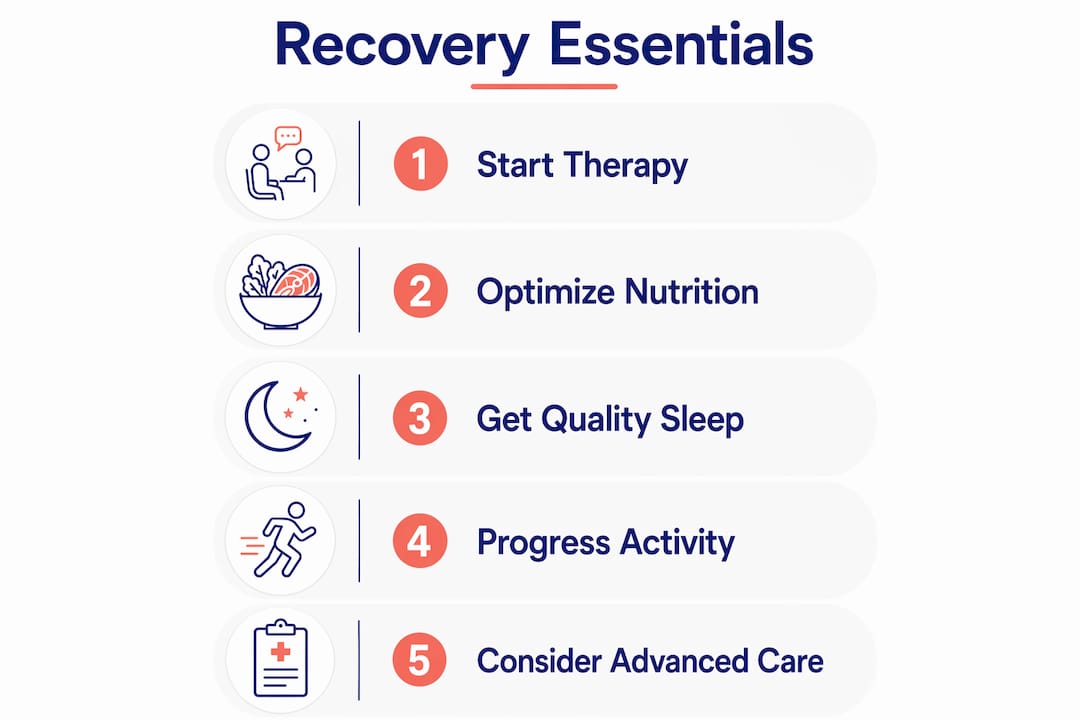
Enhancing recovery after injury is defined as an active, structured process that combines physical therapy, targeted nutrition, quality sleep, and gradual activity progression to restore tissue function and reduce pain. Passive rest alone rarely produces full recovery. Research consistently shows that patients who follow a multimodal rehabilitation approach, one that addresses movement, nutrition, and sleep together, return to activity faster and with fewer setbacks. This guide explains each strategy in plain terms, grounded in current evidence, so you can make informed decisions and work more effectively with your care team.
How to enhance recovery after injury with physical therapy
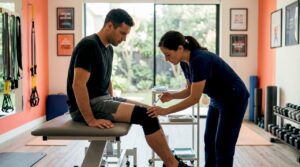
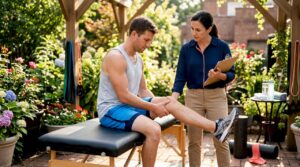
Physical therapy is the foundation of effective injury rehabilitation. Multimodal physiotherapy combining manual therapy, therapeutic exercise, and patient education produces a mean pain reduction of 3.2 out of 10, a 42% improvement in function, and a 78% return-to-work rate within 12 weeks. Those numbers matter because they show that structured therapy, not rest alone, drives real functional gains.
Early mobilization within 2–3 days post-injury reduces inflammation and prevents complications like muscle atrophy and joint stiffness. The key word is “pain-free.” Moving through pain signals that tissue is being overloaded, which slows repair rather than accelerating it. Your therapist will guide you through range-of-motion work that keeps circulation active without stressing healing structures.

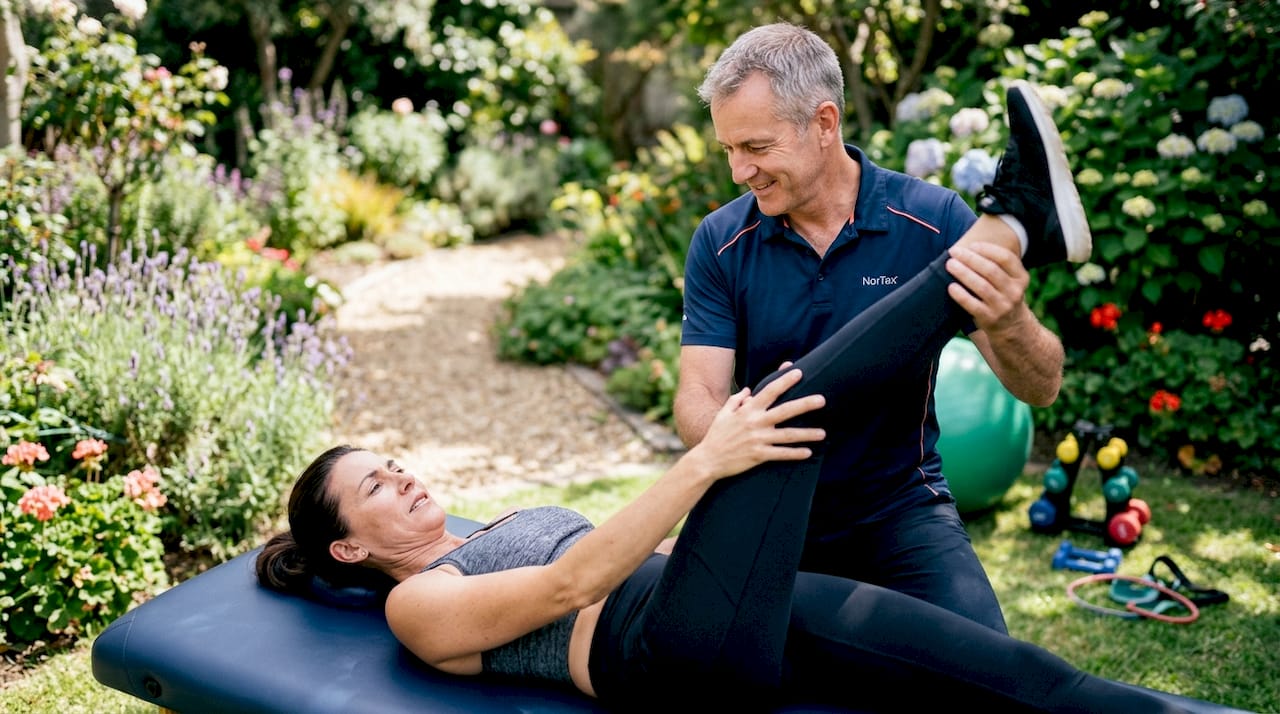
Physical therapy also corrects the biomechanical deficits that caused or worsened the injury in the first place. Rest-only approaches are often insufficient for lasting recovery because they address symptoms without fixing the underlying movement patterns. Proprioceptive and neuromuscular training, exercises that retrain balance and joint position sense, are particularly important for preventing re-injury once you return to sport or daily activity.
| Modality | Primary benefit | Best phase |
|---|---|---|
| Manual therapy | Reduces inflammation, improves joint mobility | Acute (days 2–5) |
| Therapeutic exercise | Restores strength and range of motion | Subacute onward |
| Neuromuscular training | Corrects balance and movement deficits | Late rehabilitation |
| Patient education | Guides pacing and self-management | All phases |
Pro Tip: Use pain as a guide to progression, not a reason to stop moving entirely. A pain level of 3 out of 10 or below during exercise is generally considered acceptable. Pain above that threshold signals you need to reduce load, not push through.
What role does nutrition play in speeding up healing?
Nutrition for recovery is not about eating less because you are less active. Caloric restriction during recovery delays tissue repair and accelerates muscle loss. Your body needs adequate energy to run the cellular processes that rebuild damaged tissue. Cutting calories is one of the most common and most damaging mistakes patients make after an injury.
Protein is the most critical macronutrient for tissue repair. Current protocols recommend 1.8–2.4g of protein per kilogram of body weight daily, distributed evenly every 3–4 hours to maximize muscle protein synthesis. Spreading intake across meals matters as much as the total amount. A single large protein meal does not produce the same repair signal as consistent dosing throughout the day.
Connective tissue repair requires a different set of nutrients than muscle repair. Marine collagen peptides at 10–15g combined with 200–500mg of vitamin C, taken 60 minutes before a rehabilitation session, support collagen synthesis in tendons and ligaments at the time those structures are most receptive. Zinc, calcium, vitamin D, and omega-3 fatty acids round out the micronutrient profile that supports both tissue repair and inflammation control.
Key foods and supplements to prioritize during recovery:
- Lean protein sources: chicken, salmon, Greek yogurt, eggs, and legumes
- Collagen support: bone broth, marine collagen peptides, and citrus fruits for vitamin C
- Anti-inflammatory foods: fatty fish, walnuts, flaxseed, turmeric, and leafy greens
- Bone and connective tissue support: dairy, fortified plant milks, and eggs for calcium and vitamin D
- Zinc sources: pumpkin seeds, beef, chickpeas, and cashews
Pro Tip: Take your collagen peptide supplement with a vitamin C source 60 minutes before your therapy session. That timing aligns peak amino acid availability with the mechanical stimulus your therapist provides, which is when connective tissue synthesis is most active.
Why does sleep matter so much for tissue repair?
Sleep is the body’s primary repair window, and most patients underestimate how much it affects physical healing. During slow-wave sleep, the pituitary gland releases growth hormone, which drives tissue regeneration and protein synthesis. No supplement or therapy fully compensates for inadequate sleep. The repair work simply does not happen at the same rate.
Sleeping 7 hours or less increases musculoskeletal injury risk by 1.7 times. That statistic applies not just to athletes but to anyone in an active rehabilitation program. Sleep deprivation also lowers pain tolerance, which makes therapy sessions feel harder and reduces how much productive work you can do in them.
Sleep deprivation hinders tissue synthesis even when nutrition is adequate. This creates a negative cycle: poor sleep slows repair, which prolongs pain, which disrupts sleep further. Breaking that cycle requires treating sleep as a clinical priority, not an afterthought. Aim for 7–9 hours during the acute healing phase, and consider 9 hours if your injury is severe.
Practical steps to improve sleep quality during recovery:
- Keep a consistent sleep and wake time, even on weekends.
- Use pillows to support the injured area and reduce positional pain.
- Limit screen exposure for 60 minutes before bed to support melatonin production.
- Keep the room cool and dark, as lower temperatures support deeper sleep stages.
- Avoid caffeine after 2:00 PM, since it has a half-life of roughly 5–6 hours.
Quality sleep also improves mood and emotional resilience during recovery. Frustration, anxiety, and low motivation are common after injury. Better sleep directly reduces those psychological burdens, which makes it easier to stay consistent with your rehabilitation program.
How do you safely progress activity and avoid setbacks?
Returning to activity after injury requires a phased approach, not a single decision point. Gradual return to sport using structured phases, from low-impact movement to light practice to scrimmage to full competition, reduces re-injury risk and addresses the psychological barriers that often accompany recovery. Skipping phases is the most common reason patients end up back at square one.
Reinjury anxiety is real and clinically recognized. Many patients hold back from full effort even after tissue has healed, which creates compensatory movement patterns that increase injury risk elsewhere. Working with a physical therapist or sports psychologist to address fear of movement is as important as the physical progression itself. Confidence in your body has to be rebuilt alongside strength and range of motion.
Recovery is highly individual. The right therapy dose varies by injury type, age, fitness baseline, and how consistently you follow your program. More is not always better. Appropriate stimulus at the correct healing stage prevents setbacks. Pushing too hard in the early phase delays the later phases.
Common mistakes to avoid during activity progression:
- Returning to full activity based on pain absence alone, rather than functional testing
- Skipping the neuromuscular training phase because strength feels restored
- Ignoring fatigue as a signal to reduce load for the day
- Comparing your timeline to someone else’s recovery from a similar injury
- Stopping rehabilitation exercises the moment symptoms resolve
Adjunctive therapies like regenerative treatments can complement this phased approach, particularly for patients whose tissue repair is slow or incomplete after standard rehabilitation.
Key Takeaways
Effective injury recovery requires combining physical therapy, nutrition, sleep, and phased activity progression rather than relying on any single strategy.
| Point | Details |
|---|---|
| Multimodal therapy works | Combining manual therapy, exercise, and education produces 42% functional improvement and 78% return to work in 12 weeks. |
| Protein timing matters | Distribute 1.8–2.4g/kg of protein daily every 3–4 hours and take collagen with vitamin C 60 minutes before therapy. |
| Sleep drives repair | Sleeping fewer than 7 hours increases musculoskeletal injury risk 1.7 times and slows tissue synthesis even with good nutrition. |
| Phase your return | Progress from low-impact movement to full activity in structured stages to reduce re-injury risk and rebuild movement confidence. |
| Nutrition must not be restricted | Cutting calories during recovery delays healing and accelerates muscle loss, even when activity levels are lower. |
What I’ve learned about recovery that most guides get wrong
Felix here. After working with patients across a wide range of injury types, the pattern I see most often is not a lack of effort. It is effort applied at the wrong time or in the wrong proportion.
Patients frequently come in having done everything right on paper: they attended therapy, they took their supplements, they rested. But they skipped sleep, or they pushed through a phase too quickly because they felt good one day, or they cut calories because they felt guilty about being less active. Any one of those gaps can stall a recovery that was otherwise on track.
What I’ve found is that rehabilitation is not linear. There are weeks where progress feels invisible, and that is normal. The mistake is interpreting a plateau as a sign that the approach is wrong and switching strategies. Consistency across all four pillars, therapy, nutrition, sleep, and pacing, compounds over time. The patients who recover fastest are rarely the ones who work hardest in any single session. They are the ones who show up consistently and respect the process across all areas.
The other thing worth saying plainly: mental health during recovery is not a soft concern. Anxiety, frustration, and low motivation are physiological responses to injury and pain. They affect cortisol levels, sleep quality, and how well you engage with therapy. Addressing them is part of the clinical picture, not separate from it. If you are struggling emotionally during recovery, tell your care team. It changes the treatment plan in meaningful ways.
— Felix
Advanced therapies available at Nortextissueregeneration
For patients whose recovery has plateaued or whose tissue damage is significant, regenerative medicine offers a clinically grounded next step. At Nortextissueregeneration, we work with patients dealing with sports injuries, joint pain, and post-surgical healing who want to support their body’s repair processes without relying on surgery or long-term medication. Therapies like PRP treatment use your own concentrated platelets to stimulate tissue repair at the injury site, while stem cell therapy targets deeper structural damage. Both are designed to complement, not replace, the physical therapy and nutritional strategies covered here. If you want to understand which options fit your specific situation, our team is available to walk you through a personalized assessment.
FAQ
What is the fastest way to recover from a sports injury?
The fastest recovery combines early pain-free mobilization, multimodal physical therapy, adequate protein intake, and 7–9 hours of sleep nightly. No single intervention outperforms this combination in clinical outcomes.
How much protein do I need after an injury?
Current protocols recommend 1.8–2.4g of protein per kilogram of body weight daily, distributed every 3–4 hours. This level supports muscle protein synthesis and prevents the muscle loss that commonly occurs during reduced activity.
Does sleep really affect how fast an injury heals?
Yes. Sleeping fewer than 7 hours increases musculoskeletal injury risk by 1.7 times and impairs tissue synthesis even when nutrition is adequate. Growth hormone, which drives tissue repair, is primarily released during slow-wave sleep.
When is it safe to return to full activity after an injury?
Return to full activity should follow a phased progression based on functional testing, not pain absence alone. A physical therapist can assess strength, range of motion, and neuromuscular control to determine readiness at each stage.
Can regenerative therapies help with injury recovery?
Therapies like PRP and stem cell treatment can support tissue repair in cases where standard rehabilitation produces incomplete results. They work best as part of a broader recovery plan that includes physical therapy and proper nutrition.