
Regenerative therapies are defined as medical treatments that use biologic materials to stimulate the body’s own tissue repair processes, reduce inflammation, and restore function in damaged structures. The role of regenerative therapies in pain relief is most significant for structural musculoskeletal conditions: osteoarthritis, tendon degeneration, and ligament injuries. Treatments like Platelet-Rich Plasma (PRP) and mesenchymal stem cell therapy work by delivering concentrated growth factors and cellular signals directly to injured tissue. Unlike pain medications that mask symptoms, these therapies target the underlying cause. At Nortextissueregeneration, we see patients regularly who have spent years managing pain without addressing the structural damage driving it.
How do regenerative therapies work to relieve pain?
Regenerative therapies reduce pain by triggering cellular repair at the injury site rather than simply blocking pain signals. When biologic material is injected into damaged tissue, it releases growth factors and cytokines. These molecules signal local cells to begin repairing cartilage, collagen fibers, and connective tissue. The result is a gradual reduction in inflammation and an improvement in tissue quality over time.
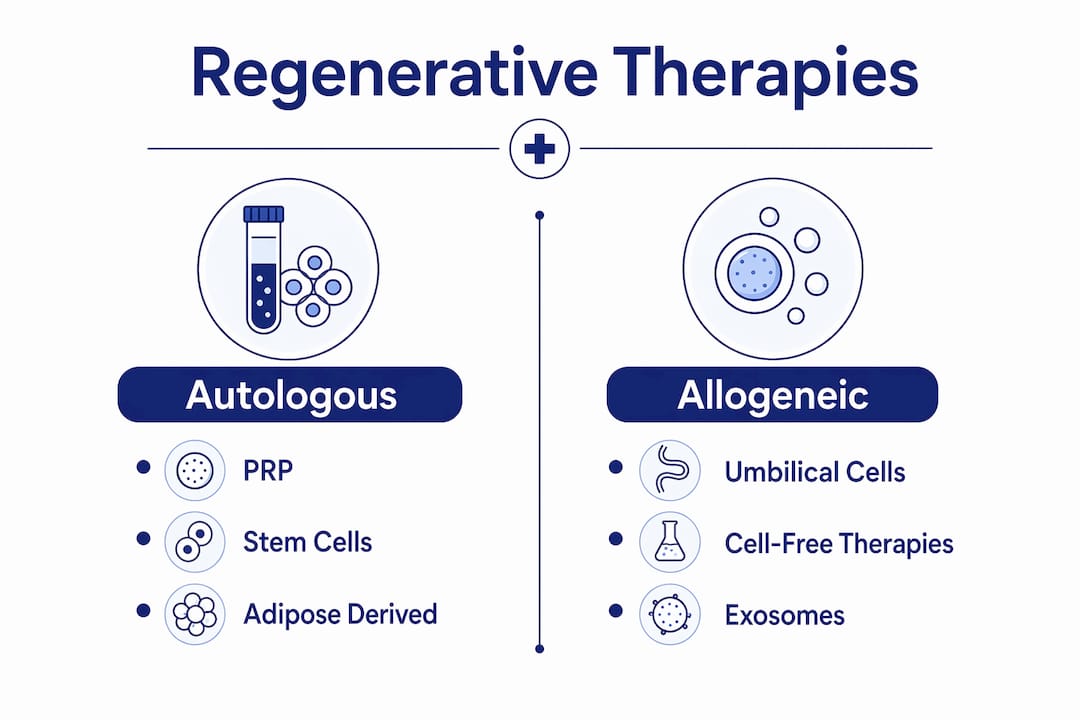
Two main categories exist: autologous therapies and allogeneic therapies. Autologous treatments, like PRP, use material drawn from your own blood. This minimizes immune reaction and is the most common starting point for new patients. Allogeneic therapies, such as umbilical cell allografts, use donor-derived biologic material processed to reduce immunogenicity. Both approaches activate similar healing pathways, but the source and concentration of bioactive signals differ.
The timeline for improvement is one of the most misunderstood aspects of regenerative medicine. Clinical results typically appear after 3 months and may continue improving for up to a year. That delay happens because tissue repair is a biological process, not an instant chemical reaction. Patients who understand this are far more likely to stay the course and see meaningful results.
Pro Tip: Do not judge the outcome of a regenerative treatment at the 4-week mark. The most significant improvements in pain and function often show up between months 3 and 6, as tissue remodeling takes time to produce measurable change.
What types of regenerative therapies are used for pain relief?
Several well-established modalities exist, each suited to different conditions and patient profiles. Understanding the differences helps you and your provider choose the right approach.
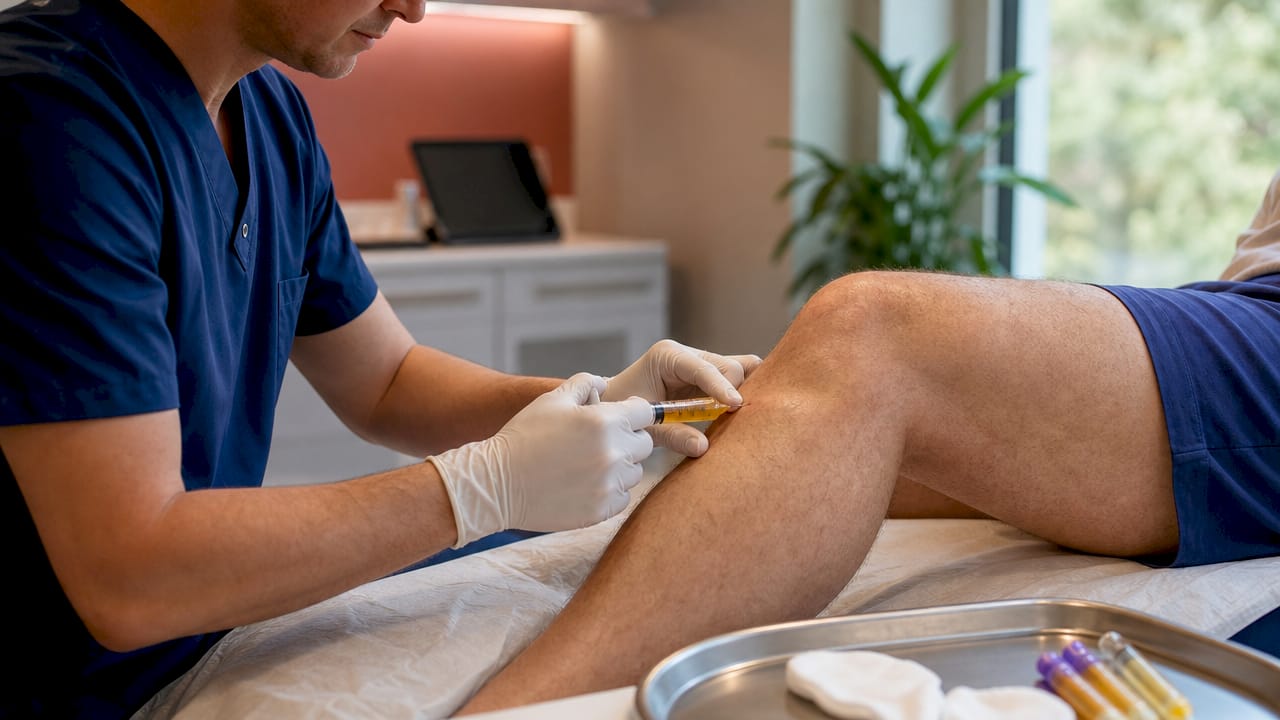
PRP (Platelet-Rich Plasma) is the most widely used regenerative therapy for musculoskeletal pain. It involves drawing a small amount of blood, concentrating the platelets through centrifugation, and injecting the resulting plasma into the affected area. PRP is particularly effective for tendinopathy, mild to moderate osteoarthritis, and ligament injuries. Research supports its use for lumbar disc degeneration, where it has demonstrated a mean pain reduction of 16.4 mm on visual analog scales in meta-analysis data from five randomized controlled trials.
Mesenchymal stem cell (MSC) therapy uses cells with the capacity to differentiate into cartilage, bone, and connective tissue. These cells are typically harvested from bone marrow or adipose (fat) tissue. MSC therapy is generally reserved for more advanced joint degeneration where PRP alone may not provide sufficient stimulus for repair.
Adipose-derived therapy extracts stromal vascular fraction from fat tissue. This fraction contains a mix of stem cells, growth factors, and anti-inflammatory cells. It is minimally invasive and well-tolerated, making it a practical option for patients who are not surgical candidates.
Umbilical cell allografts use processed donor tissue rich in growth factors and cytokines. These are allogeneic products and do not contain live cells after processing. They deliver a concentrated dose of bioactive signals without requiring a harvest procedure from the patient.
An emerging category worth noting is cell-free therapies, which use exosomes and secretomes. These are bioactive molecules produced by cells, isolated and delivered without the cells themselves. The goal is to reduce variability and improve consistency of outcomes across patients.
| Therapy type | Primary indication | Invasiveness | Evidence level |
|---|---|---|---|
| PRP | Tendinopathy, mild osteoarthritis | Low (injection) | Strong |
| Mesenchymal stem cells | Moderate joint degeneration | Moderate (harvest + injection) | Moderate to strong |
| Adipose-derived therapy | Joint pain, soft tissue injury | Moderate (fat harvest) | Moderate |
| Umbilical cell allografts | Joint and soft tissue conditions | Low (injection, no harvest) | Moderate |
| Cell-free (exosomes) | Emerging use, cartilage repair | Low (injection) | Early stage |
You can find a detailed breakdown of how these options compare for specific joint conditions in this overview of regenerative therapies for joint pain.
Who are the best candidates for regenerative therapy?
Patient selection is a stronger predictor of success than the specific biologic product used. This is one of the most consistent findings across clinical practice. The right patient with the right condition will almost always outperform the wrong patient given the most advanced therapy available.
The ideal candidate has a structural source of pain. Mild to moderate osteoarthritis, tendon degeneration, and partial ligament tears respond well to regenerative approaches. These conditions involve tissue that is damaged but still present. The therapy has something to work with.
Patients with bone-on-bone arthritis generally respond poorly. When joint space is gone, there is no viable tissue environment for the biologic material to act upon. Regenerative therapy requires residual tissue to stimulate. This is not a failure of the therapy. It is simply the wrong tool for that stage of degeneration.
Neuropathic pain conditions, such as diabetic neuropathy or post-herpetic neuralgia, are also poor candidates. Regenerative therapies are not recommended for nerve-based pain because the mechanism does not address the underlying neural dysfunction. Patients in this category need a different treatment pathway.
Age and overall health matter, but they are not disqualifying on their own. We often see patients in their 60s and 70s who respond very well to PRP or stem cell treatment when their joint degeneration is at the right stage. What matters more is the degree of structural damage and the presence of enough viable tissue to support healing.
Pro Tip: When evaluating a provider, ask specifically how they prepare their PRP or stem cell product. Variability in PRP processing is a known issue in the field. A reputable clinic will have a consistent, documented protocol and will be transparent about concentration levels and preparation methods.
What are the realistic benefits and limitations of regenerative pain therapies?
Regenerative therapies offer real, measurable benefits for the right patients. They also have genuine limitations that every patient deserves to understand before starting treatment.
What the evidence supports:
- PRP produces clinically meaningful pain reduction in lumbar disc degeneration, with effects lasting at least 12 months in meta-analysis data from randomized controlled trials.
- Most patients experience a gradual, cumulative improvement over 3 to 12 months rather than immediate relief.
- Safety profiles are favorable, particularly for autologous therapies, because the material comes from your own body and carries minimal risk of immune reaction.
- Procedures are minimally invasive. Most PRP and stem cell injections are performed in-office with no significant downtime.
- Functional improvement often accompanies pain reduction. Patients frequently report better range of motion and the ability to return to activities they had given up.
Where limitations apply:
- Outcomes vary. Patient factors, the degree of tissue damage, and differences in preparation methods all affect results. No provider can guarantee a specific outcome.
- Dosing standardization remains an unresolved challenge across the field. Inconsistent preparation can lead to inconsistent results, which is why provider quality matters.
- These therapies are supportive, not curative. They work best as part of a broader plan that includes physical therapy and, where relevant, lifestyle changes.
- Regenerative therapies are rarely standalone cures. Patients who combine treatment with physical rehabilitation consistently show better outcomes than those who rely on injections alone.
Understanding these boundaries is not discouraging. It is the foundation of a realistic treatment plan. Patients who go in with accurate expectations tend to stay engaged with the process and achieve better results.
Key Takeaways
Regenerative therapies reduce pain most effectively when matched to the right structural condition, combined with physical rehabilitation, and given adequate time to produce cumulative tissue repair.
| Point | Details |
|---|---|
| Mechanism of action | Biologic materials deliver growth factors that stimulate tissue repair and reduce inflammation at the injury site. |
| Best candidate profile | Mild to moderate osteoarthritis, tendon degeneration, and ligament injuries respond best; bone-on-bone arthritis and neuropathic pain do not. |
| Realistic timeline | Most patients see meaningful improvement between 3 and 12 months; immediate relief is uncommon. |
| Combination approach | Pairing regenerative treatment with physical therapy produces consistently better outcomes than injections alone. |
| Provider quality matters | Standardization in preparation varies widely; choosing a clinic with documented protocols directly affects your results. |
What I’ve learned from watching patients choose regenerative care
I want to be honest about something we see regularly. Many patients arrive after years of cortisone shots, anti-inflammatory medications, and, in some cases, a surgical recommendation they are not ready to accept. They come in hoping regenerative therapy is a quick fix. That expectation is the single biggest obstacle to a good outcome.
What I have found is that the patients who do best are the ones who treat this as a process, not an event. They show up for their follow-up appointments. They commit to the physical therapy component. They give the treatment time. The biology requires it. You cannot rush tissue repair.
The research on patient selection aligns with what we observe clinically. The condition matters more than the product. A patient with early-stage knee osteoarthritis and good overall health will almost always outperform a patient with severe joint degeneration, regardless of which biologic is used. This is why a thorough evaluation before treatment is not optional. It is the most important step.
I am also watching the field move toward cell-free approaches with real interest. The idea of delivering isolated bioactive molecules rather than whole cells addresses the variability problem directly. We are not there yet in terms of standardized clinical protocols, but the direction is promising. For now, PRP and mesenchymal stem cell therapy remain the most evidence-supported options for the patients we work with.
The honest takeaway is this: regenerative medicine for pain is not magic, and it is not a last resort. It is a legitimate, evidence-backed approach that works well when applied to the right patient, by a qualified provider, with realistic expectations in place.
— Felix
Regenerative therapy options at Nortextissueregeneration
Nortextissueregeneration offers PRP therapy and stem cell therapy for patients dealing with chronic joint pain, tendon injuries, arthritis, and degenerative conditions. Every treatment plan is built around a thorough evaluation of your specific condition, health history, and goals. The clinic’s approach prioritizes patient selection and evidence-based protocols, which means you receive a recommendation grounded in what the research actually supports for your situation. If you are considering a non-surgical path to pain relief, a consultation with the Nortextissueregeneration team is a practical next step toward understanding which options are right for you.
FAQ
What is the role of regenerative therapies in pain relief?
Regenerative therapies reduce pain by delivering biologic materials that stimulate tissue repair, reduce inflammation, and improve function in structurally damaged areas like joints and tendons. They address the source of pain rather than masking symptoms.
How long does it take for regenerative therapy to work?
Most patients begin to notice improvement around the 3-month mark, with results continuing to develop for up to 12 months. Immediate relief after injection is uncommon because tissue repair is a gradual biological process.
Is PRP effective for chronic pain?
PRP is well-supported for chronic pain caused by tendinopathy, mild to moderate osteoarthritis, and ligament injuries. Research from randomized controlled trials shows a mean pain reduction of 16.4 mm on visual analog scales for lumbar disc degeneration at 6 months. You can read more about PRP and chronic pain in the research context.
Who should not use regenerative therapies for pain?
Patients with bone-on-bone arthritis or neuropathic pain conditions are generally poor candidates. Regenerative therapies require viable tissue to act upon and do not address nerve-based pain mechanisms.
Are regenerative therapies safe?
Autologous therapies like PRP carry a favorable safety profile because they use material from your own body, minimizing immune reaction. The main risk factor is variability in preparation quality, which is why provider selection and documented protocols matter.