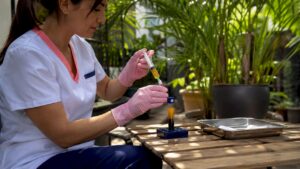

Regenerative medicine is defined as the field of healthcare focused on repairing or replacing damaged cells, tissues, and organs using the body’s own biological mechanisms. For healthcare professionals, this means moving beyond symptom management toward therapies that address the structural and cellular root of disease. Treatments like PRP (Platelet-Rich Plasma), stem cell therapy, and exosome-based biologics now sit at the center of orthopedic, pain management, and sports medicine practice. Understanding why regenerative medicine for professionals matters in 2026 is no longer optional. Cell-based therapies now account for nearly 50% of the global regenerative medicine market, which signals a fundamental shift in how the field approaches tissue restoration.
Why regenerative medicine for professionals changes patient outcomes
The core clinical promise of regenerative medicine is tissue repair, not just pain relief. Biologics like PRP and mesenchymal stromal cells promote tissue repair and functional restoration by delivering concentrated growth factors directly to injury sites. This is a meaningful distinction from corticosteroids or NSAIDs, which reduce inflammation temporarily without addressing the underlying structural damage.
The clinical benefits of regenerative medicine in healthcare are well-documented across several conditions:
- Tendinopathies: PRP shows 70–85% success rates in tendinopathy treatment, making it one of the most evidence-supported applications in the field.
- Knee osteoarthritis: Patients report 50–70% pain reduction following PRP or viscosupplementation, with improved range of motion and reduced reliance on analgesics.
- Orthopedic stem cell applications: Mesenchymal stem cell injections achieve 70–80% success in orthopedic conditions, particularly cartilage and ligament repair.
- Chronic pain and mobility: Regenerative therapies reduce reliance on medications and invasive surgery by improving tissue health, especially in aging populations.
- Functional restoration: Patients experience measurable improvements in joint mobility and daily function, not just temporary symptom suppression.
Approximately 1 in 3 Americans are candidates for some form of regenerative therapy. That figure tells you the patient population is already in your waiting room. The question is whether your practice is equipped to serve them well.
Pro Tip: Preparing the tissue environment before treatment significantly affects outcomes. Patients with active, uncontrolled inflammation or significant fibrosis often respond poorly to biologics alone. Address these factors first.
How do different regenerative therapies compare for clinical use?
Not all regenerative therapies work through the same mechanism, and the regulatory landscape varies considerably. Understanding these distinctions helps you make informed treatment decisions and set accurate patient expectations.
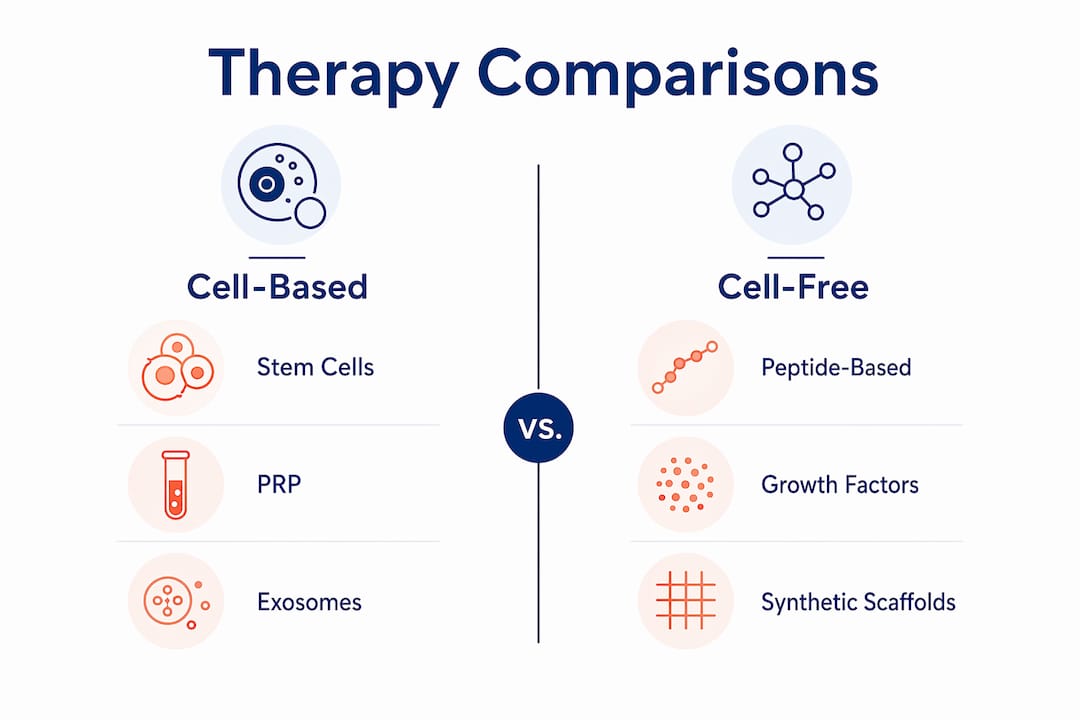
Cell regeneration therapy accelerates healing by delivering concentrated components like stem cells, growth factors, and extracellular vesicles to injury sites. Platelets, for example, release PDGF, TGF-beta, and VEGF to trigger the healing cascade. Cell-free approaches like exosomes work differently. They deliver signaling molecules without introducing live cells, which reduces regulatory complexity and may offer more reproducible results.
| Therapy | Primary indication | Evidence level | Regulatory status |
|---|---|---|---|
| PRP | Tendinopathy, osteoarthritis, wound healing | Strong for orthopedics | FDA-cleared device; biologic use varies by state |
| Mesenchymal stem cells | Cartilage repair, joint degeneration | Moderate to strong | Investigational for most indications |
| Exosomes | Tissue signaling, anti-inflammatory | Emerging | FDA investigational; no approved products as of 2026 |
| Prolotherapy | Ligament laxity, chronic joint pain | Moderate | Off-label; widely practiced |
| Viscosupplementation | Knee osteoarthritis | Moderate | FDA-approved for knee OA |
A few considerations worth keeping in mind when selecting therapies:
- Patient age, comorbidities, and baseline tissue health all affect biologic response.
- Contraindications include active infection, blood disorders, and certain autoimmune conditions.
- FDA approval status matters for liability. Know the difference between cleared devices and investigational biologics before you proceed.
The importance of regenerative medicine is also reflected in how it integrates with rehabilitation. Moving from isolated biotherapies toward regenerative rehabilitation involves a multidisciplinary approach that manages the entire biological environment. Physicians, physical therapists, and biomedical engineers working together produce better outcomes than any single provider working alone.
What emerging technologies are shaping regenerative practice?
The field is moving fast, and the practitioners who stay current will define the next standard of care. Two developments stand out above the rest.
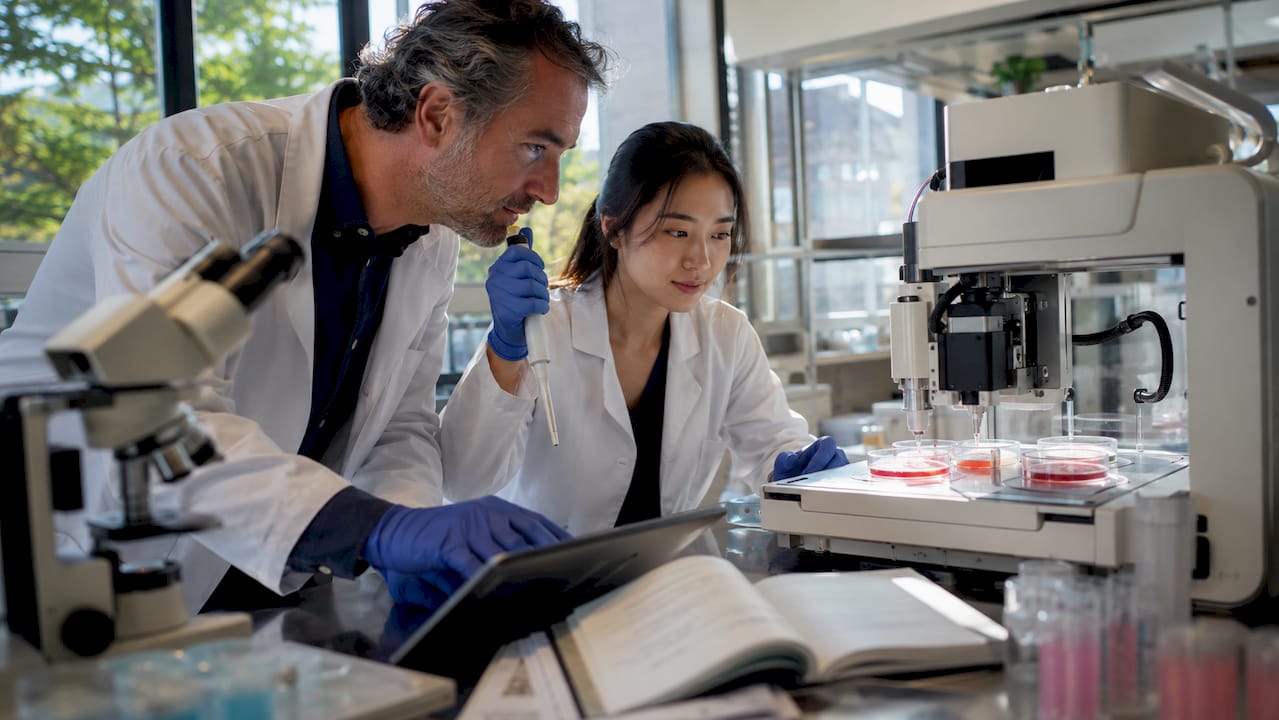
AI and 4D/5D bioprinting enable personalized medicine and scalable tissue engineering. AI-driven platforms can analyze patient biomarkers, imaging data, and treatment history to recommend individualized therapy protocols. This reduces guesswork and improves reproducibility across patient populations. Bioprinting, meanwhile, is advancing from static scaffolds to dynamic structures that respond to biological signals over time.
A second major shift is the transition from cell-based to cell-free regenerative approaches. Exosomes and peptide-based therapies are gaining traction because they sidestep many of the regulatory and manufacturing challenges associated with live cell products. Practitioners who rely exclusively on cell-based methods risk working with approaches that face increasing regulatory scrutiny. Staying informed about precision medicine developments is not a luxury. It is a professional responsibility.
Ethical questions are also emerging alongside the technology. Informed consent for investigational therapies, data privacy in AI-assisted treatment planning, and equitable access to advanced biologics all require thoughtful attention from practitioners who want to lead responsibly.
Pro Tip: Dedicate time each quarter to reviewing updates from the FDA, the American Academy of Regenerative Medicine, and peer-reviewed journals like Stem Cell Research and Therapy. The regulatory environment shifts frequently, and staying current protects both your patients and your practice.
What challenges do practitioners face when implementing regenerative medicine?
The benefits of regenerative medicine are real, but responsible implementation requires more than enthusiasm. The field has genuine operational and compliance hurdles that every practitioner should understand before building a program.
-
No standardized curriculum exists. No standardized training pathway is in place for regenerative medicine. You must independently seek credentialed training through organizations like the American Academy of Regenerative Medicine or the Interventional Orthopedics Foundation. The quality of your training directly affects patient safety.
-
Biologic sourcing requires due diligence. Not all PRP kits, stem cell products, or exosome preparations are equivalent. Source only from suppliers with documented quality control, FDA registration, and clear chain-of-custody records. A single contaminated product can end a program and harm patients.
-
Documentation must be thorough. Informed consent for investigational therapies needs to be explicit. Adverse event tracking, outcome measures, and follow-up protocols are not optional. They are your clinical and legal foundation.
-
Reckless adoption undermines the field. The primary risk is reckless use of regenerative compounds without biomarkers, tracking, or defined endpoints. Practitioners who offer these therapies without accountability damage patient trust and the credibility of the entire field.
-
Outcome metrics must be defined upfront. Decide before treatment what success looks like. Use validated tools like the WOMAC for knee function, VAS for pain, or DASH for upper extremity outcomes. Measuring results is what separates a credible program from an unaccountable one.
How can practitioners integrate regenerative medicine into clinical workflows?
Integration works best when it follows a clear, stepwise process rather than a sudden shift in practice. Many patients we see at Nortextissueregeneration come in after trying physical therapy, cortisone injections, or oral medications without lasting relief. That history matters. It tells you where biologics fit in the care continuum.
A practical integration approach includes these steps:
- Assess patient suitability carefully. Review imaging, lab work, and functional assessments before recommending any biologic therapy. Not every patient with knee pain is a PRP candidate.
- Prepare the tissue environment first. Soil priming through preparatory therapies like physical therapy or shockwave therapy can dramatically improve biologic effectiveness by reducing fibrosis and calming chronic inflammation.
- Coordinate with physical therapy and rehabilitation. Regenerative injections work best when paired with structured rehabilitation. The biologic provides the signal; movement and load provide the stimulus for tissue remodeling.
- Educate patients on realistic timelines. Most regenerative therapies require 6–12 weeks before meaningful tissue changes are measurable. Patients who understand this are more compliant and less likely to abandon treatment prematurely.
- Monitor with biomarkers and outcome tools. Track inflammatory markers, imaging changes, and validated functional scores at defined intervals. This data improves your clinical decision-making and builds a credible outcomes record.
For a detailed look at how to structure this process, the regenerative medicine workflow guide from Nortextissueregeneration covers safety protocols and program implementation in practical terms.
Key Takeaways
Regenerative medicine for healthcare professionals is most effective when evidence-based therapy selection, tissue preparation, and structured outcome monitoring are combined into a single, accountable clinical program.
| Point | Details |
|---|---|
| Clinical success rates are strong | PRP achieves 70–85% success in tendinopathies; stem cells reach 70–80% in orthopedic applications. |
| Tissue preparation matters | Soil priming with physical therapy or shockwave therapy improves biologic response before injection. |
| Regulatory status varies by therapy | Know which therapies are FDA-approved versus investigational before offering them to patients. |
| No standardized training exists | Seek credentialed training independently through recognized professional organizations. |
| Outcome measurement is non-negotiable | Define success metrics before treatment and track results with validated clinical tools. |
My honest read on where this field is heading
I have watched regenerative medicine shift from a fringe conversation to a genuine clinical discipline over the past several years. What strikes me most is not the technology. It is the accountability gap.
The practitioners who are doing this well are not the ones with the most aggressive marketing. They are the ones who track outcomes, document everything, and say no when a patient is not a good candidate. That discipline is what builds a sustainable program and, more importantly, what protects patients.
The transition toward cell-free therapies like exosomes is real and worth paying attention to. Many providers are still building programs around cell-based approaches that face growing regulatory uncertainty. That is not a reason to panic, but it is a reason to stay informed and avoid locking your practice into a single modality.
What I find genuinely encouraging is that regenerative medicine gives practitioners a way to offer something meaningful to patients who have run out of conventional options. That is a real clinical opportunity. It comes with real responsibility. The practitioners who embrace both will shape what this field looks like in ten years.
— Felix
Explore regenerative therapy services at Nortextissueregeneration
At Nortextissueregeneration, we offer stem cell therapy and PRP treatments designed around evidence-based protocols for pain relief, tissue repair, and functional restoration. Our approach is built on the same principles this article describes: thorough patient assessment, tissue preparation, and structured follow-up. If you are a healthcare professional exploring how to incorporate these therapies into your practice, or if you have patients who may benefit from a non-surgical biologic approach, we welcome the conversation. Our team is here to support informed, responsible care.
FAQ
What is regenerative medicine in clinical practice?
Regenerative medicine is the use of biologic therapies, including PRP, stem cells, and exosomes, to repair damaged tissues and restore function. It differs from conventional treatment by targeting the structural cause of injury rather than managing symptoms alone.
What are the most evidence-supported applications of regenerative medicine?
PRP for tendinopathies and knee osteoarthritis has the strongest clinical evidence, with success rates of 70–85% and 50–70% pain reduction respectively. Orthopedic stem cell applications also show strong outcomes for cartilage and ligament repair.
How should practitioners prepare patients for regenerative therapy?
Patient preparation includes imaging review, lab assessment, and tissue priming through physical therapy or shockwave therapy. Reducing chronic inflammation before biologic injection significantly improves treatment response.
Is formal training required to offer regenerative medicine?
No standardized certification program currently exists, but credentialed training through recognized organizations is strongly recommended. Practitioners are responsible for their own competency and for sourcing compliant biologics.
How does PRP differ from stem cell therapy?
PRP delivers concentrated growth factors from the patient’s own blood to stimulate the healing cascade. Stem cell therapy introduces progenitor cells capable of differentiating into target tissue types. Both are biologic, but they work through different mechanisms and suit different clinical indications.