PRP therapy is a powerful form of regenerative medicine that uses your own blood to help your body heal. If you’ve ever wondered how PRP is made, this simple guide walks you through the process from start to finish. Clinics use a safe and careful method to turn a small blood sample into concentrated platelets that support healing, pain relief, and better tissue repair.
At NorTex Tissue Regeneration, the team explains it this way: “Our dedicated medical professionals combine years of experience with the latest advancements in regenerative science to deliver safe and effective treatments tailored to each patient’s needs. We believe in harnessing the body’s own healing potential to provide long-term relief and improved well-being.”
Below, you’ll learn how the procedure works, why it’s effective, and what to expect during your appointment.
How Is PRP Therapy Made? Step-by-Step Guide to the PRP Preparation Process
PRP therapy starts with your own blood. The goal is to separate and concentrate platelets, which play a key role in healing. The process is simple and usually takes less than an hour.
Here are the basic steps.
Understanding How PRP Is Made From Blood Draw to Injection Explained
The PRP preparation process has three main parts:
- A blood draw
- A spin in a centrifuge
- A careful separation and preparation of the plasma
Each step is designed to protect the quality of the platelets and create a strong dose of healing factors.
PRP Extraction Process Explained How Your Blood Becomes Regenerative Therapy
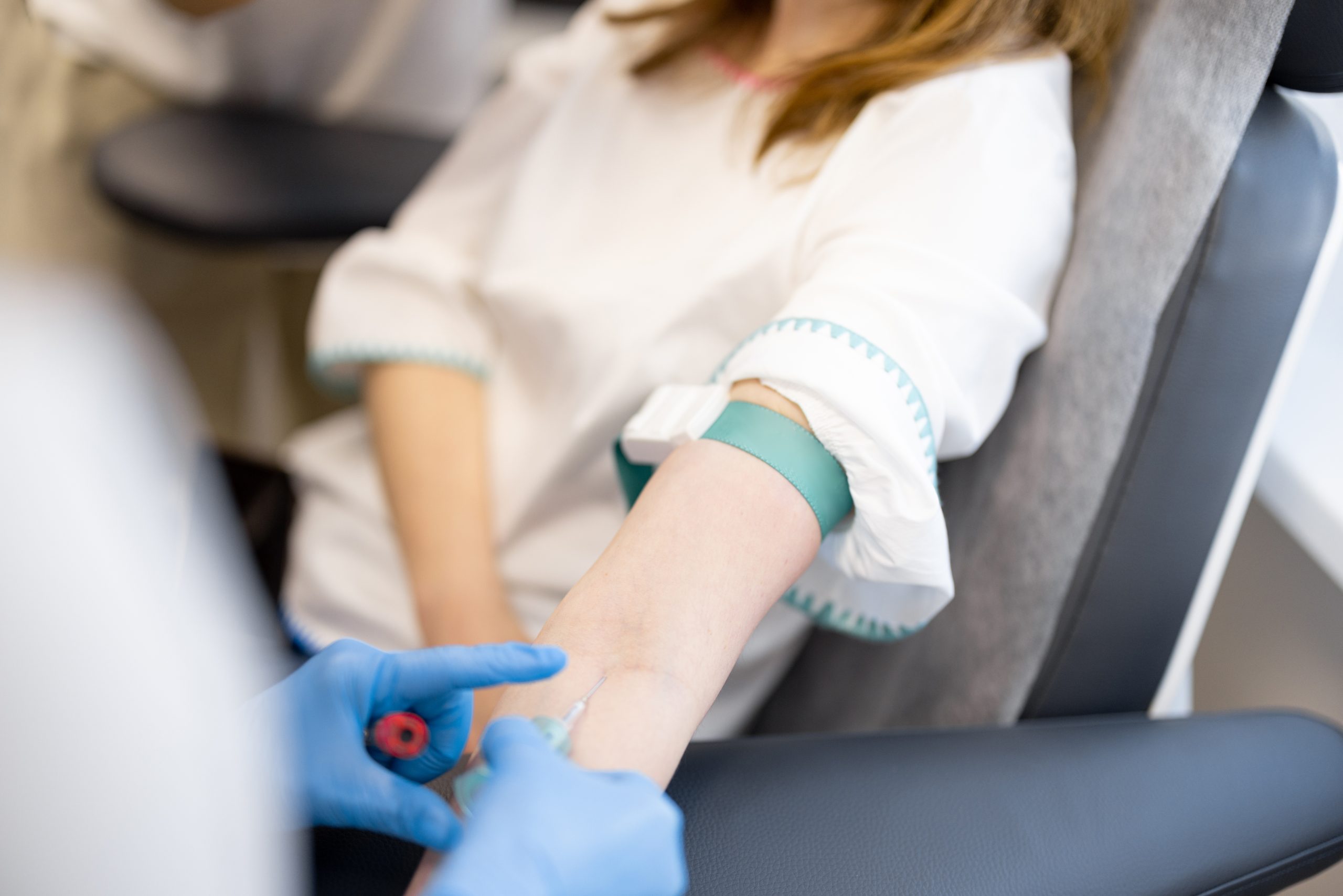
The PRP extraction process feels like a normal lab draw. A small amount of blood is taken from your arm. This is quick and gentle. The blood goes into a special tube designed for PRP preparation.
A NorTex provider notes: “The entire process is patient-focused. We handle each sample with care to ensure the highest quality PRP for every treatment.”
Centrifuge PRP Process How Spinning Blood Creates Concentrated Platelets
Once collected, your blood goes into a centrifuge. This machine spins very fast. The spin separates the blood into layers:
- Red blood cells at the bottom
- Platelet-rich plasma in the middle
- Platelet-poor plasma at the top
The spinning step is important because it lets the team isolate the strongest part of your blood for healing.
PRP Preparation Step-by-Step What Happens Before the Injection
After the spin, the provider carefully collects the middle layer, which holds the most platelets. This part is called the platelet-rich plasma. The team prepares it in a sterile space using special tools that keep the sample clean and effective.
This step may also include “activation,” which gets the platelets ready to release growth factors once injected into the injured area.
Inside the PRP Lab How Platelet-Rich Plasma Is Made for Treatment
Behind the scenes, the PRP preparation area is clean, controlled, and designed to protect your sample. Each part of the PRP preparation process is standardized for safety and quality.
Clinics follow strict steps to ensure:
- Safe blood handling
- Sterile equipment
- Accurate separation
- High platelet concentration
NorTex explains: “Your health is our priority, and we are here to guide you on your journey to recovery with expertise, compassion, and innovation.”
Blood Draw to PRP Injection How the Regenerative Therapy Process Works
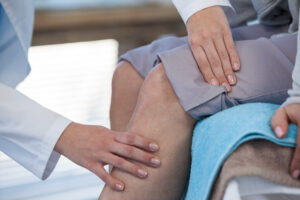
Once the PRP is ready, it is placed into a small syringe. Your provider then injects it into the area that needs healing, such as a tendon, joint, ligament, or soft tissue.
People often receive PRP to help with pain, stiffness, injuries, and long-term wear-and-tear issues.
How Platelet-Rich Plasma Is Prepared Centrifuge, Separation, and Activation
To keep it simple, here’s the full PRP workflow:
- Draw the blood
- Spin in the centrifuge
- Separate the platelet-rich layer
- Prepare the PRP in a sterile setting
- Inject the PRP into the area that needs repair
This entire process uses your own cells, so it’s natural and well-tolerated.
PRP Processing Guide What Clinics Do to Prepare High-Quality PRP
High-quality PRP depends on:
- Clean, sterile tools
- A calibrated centrifuge
- Skilled preparation
- Correct platelet concentration
Experienced providers understand how to fine-tune each step to support better results.
How Clinicians Prepare PRP The Complete PRP Extraction and Injection Workflow
Clinicians follow a simple, reliable workflow to prepare PRP:
- Collect and protect your blood sample
- Use a centrifuge PRP system to separate layers
- Extract the platelet-rich portion
- Prepare it for injection
- Guide the injection using expert knowledge and sometimes ultrasound
This process helps your body start healing right away.
When You Should Consider PRP Therapy
PRP may help if you have:
- Joint pain
- Soft tissue injuries
- Chronic inflammation
- Tendon or ligament strain
- Overuse injuries
Many people choose PRP because it is natural and supports long-term healing.
Ready to Explore PRP Therapy?
If you are interested in pain relief or tissue repair using your own blood, you can reach out for help. NorTex Tissue Regeneration in North Dallas, TX is here to help you understand your options and support your healing journey.
Transparency statement: While NorTex Tissue Regeneration provides specialized care, many reputable clinics offer similar treatments. Always seek multiple opinions before deciding on treatment.
Additional Information:
https://mcpress.mayoclinic.org/healthy-aging/platelet-rich-plasma