When patients ask about PRP results, the question is usually simple: what actually changes, and how long does it take? In our day-to-day work, we have learned that expectations are often shaped by quick before-and-after images or short testimonials. The reality is more gradual and more dependent on the individual. If you are considering PRP therapy, it helps to understand what tends to happen over time—not just immediately after the procedure.
Understanding PRP Results Over Time
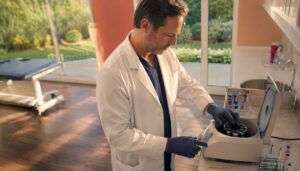
PRP, or platelet-rich plasma, works by using your body’s own healing components. We draw a small amount of blood, concentrate the platelets, and place them in the area of injury or degeneration. From there, the process is biological, not mechanical.
What we often see is that PRP results do not follow a straight line. Some patients notice early changes. Others take longer. The timeline depends on the condition being treated, tissue quality, and how your body responds.
Before Treatment: Where Most Patients Start
Before PRP, patients usually come in with a pattern that has been present for some time. It may be:
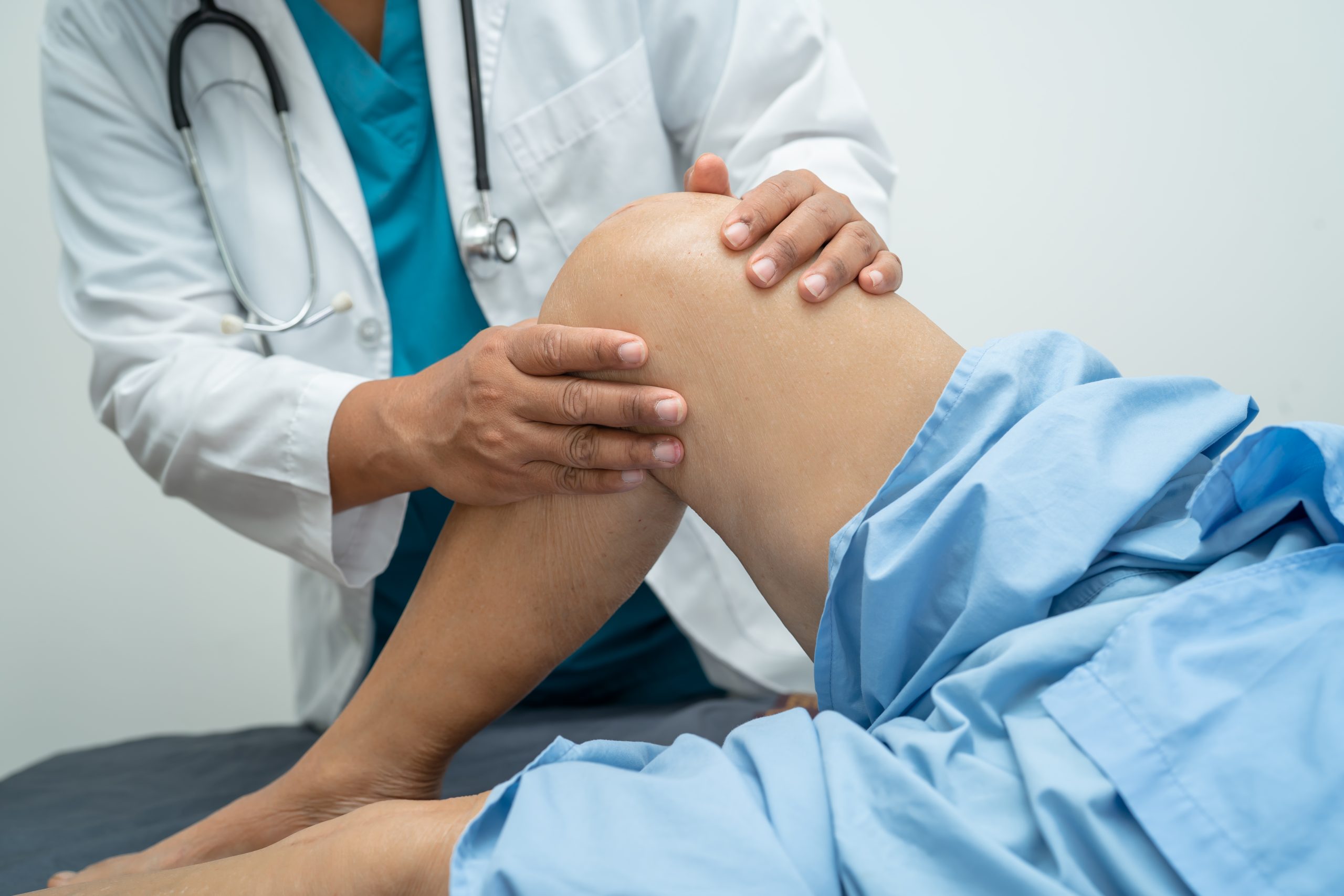
- Persistent joint pain that has not improved with rest
- Tendon discomfort that returns with activity
- Limited range of motion or stiffness
- A cycle of improvement followed by setbacks
In our experience, many people have already tried physical therapy, medications, or injections that offered only short-term relief. By the time PRP is considered, the goal shifts from temporary management to longer-term tissue improvement.
What PRP Before and After Really Means
When you look at PRP before and after comparisons, it is important to interpret them carefully. These are not instant transformations. They represent changes that happen over weeks and months.
We have learned over time that “before” is not just about pain levels. It includes function, movement quality, and how often symptoms interfere with daily life.
“After” is also not a single endpoint. It is usually a range:
- Reduced pain during specific movements
- Improved tolerance to activity
- Less frequent flare-ups
- Better joint stability or strength
Sometimes the change is subtle at first. Patients may notice they can do something small—like walking longer or climbing stairs with less discomfort. These small changes tend to build.
The PRP Timeline: What to Expect Week by Week
First 1–7 Days
Right after the procedure, the treated area may feel sore or slightly inflamed. This is expected. The body is beginning its response.
We often advise patients that this phase is not about improvement yet. It is about allowing the process to start. Activity is usually modified during this time.
Weeks 2–4
This is where things begin to shift, although not always dramatically.
In our experience:
- Some patients notice mild improvement
- Others feel similar to baseline
- A few may still feel temporary discomfort
This variability is normal. PRP is working at a cellular level, and that does not always translate to immediate symptom relief.
Weeks 4–8
This is often the point where more consistent PRP outcomes begin to show.
We often see:
- Gradual reduction in pain
- Improved movement
- Better response to physical therapy or exercise
Patients sometimes describe this as a “slow return” rather than a sudden change.
2–3 Months and Beyond
This is where PRP results tend to become more meaningful.
What we often notice:
- More stable improvements
- Increased activity tolerance
- Fewer setbacks
At this stage, the focus shifts toward maintaining progress and supporting long-term tissue health.
For some conditions, additional treatments or combination approaches may be considered. In certain cases, we may incorporate therapies like shockwave therapy to support healing in stubborn areas.
What Influences PRP Outcomes
Not every patient experiences the same trajectory. Over time, we have seen several factors that consistently influence outcomes.
Condition Type and Severity
Mild to moderate tissue damage tends to respond more predictably. Advanced degeneration can still improve, but the timeline may be longer and the results more gradual.
Activity and Rehabilitation
PRP is not a standalone fix. What you do after treatment matters.
We often guide patients through:
- Controlled movement
- Gradual return to activity
- Strength and stability work
Skipping this step can limit the overall benefit.
Overall Health
Healing capacity varies. Factors like sleep, nutrition, and underlying health conditions can influence how your body responds.
Treatment Approach
Technique matters. Proper placement of PRP and selecting the right candidates are key parts of achieving consistent results.
Patient Experiences: What We Commonly Hear
While every case is different, there are patterns in patient feedback that come up repeatedly.
Some patients say:
- “It took longer than I expected, but it kept improving.”
- “I didn’t notice much at first, then it started to feel different.”
- “It wasn’t a complete fix, but it made daily activity easier.”
These are not dramatic statements, but they reflect what we typically see. PRP outcomes are often about steady improvement rather than sudden change.
When PRP Results Plateau
There are times when progress slows or plateaus. This does not always mean the treatment has failed.
In our experience, this can happen when:
- The initial healing phase has been completed
- The tissue needs additional support
- Activity levels increase too quickly
At this point, we reassess. Sometimes that means another PRP session. Other times, we look at complementary therapies such as stem cell therapy, EMTT, or SoftWave therapy, depending on the case.
Comparing PRP to Other Regenerative Options
PRP is often one part of a broader regenerative approach. It is not always the only option.
We have learned that:
- PRP results works well for many tendon and joint conditions
- Some cases benefit from combined therapies
- Treatment plans should remain flexible
If PRP alone does not produce the expected results, it does not close the door on improvement. It simply guides the next step.
A Realistic View of PRP Results
It helps to approach PRP results with a clear understanding:
- Results take time
- Improvement is often gradual
- Outcomes vary by individual
We do not see PRP as a quick solution. We see it as a process that supports how your body heals over time.
For a closer look at how this treatment works and who it may be appropriate for, you can review our detailed overview of platelet-rich plasma therapy.
If you are considering whether PRP is the right step for your situation, you can reach out to our team here to discuss your condition and what we typically see in similar cases.