When patients ask us about PRP and Shockwave therapy, they are usually looking for a clear answer about what works and why some clinics now recommend using both. In our experience, each treatment has its place. Over time, we have learned that combining them often leads to more consistent progress, especially in stubborn or slow-healing conditions. If you’ve already looked into PRP therapy, you may have noticed that outcomes can vary depending on tissue quality, blood flow, and how the body responds to repair signals.
What we often see is that one therapy prepares the tissue while the other supports deeper healing. That’s where the combination begins to make practical sense.
How PRP and Shockwave Therapy Work Together
PRP and Shockwave therapy approach healing from different angles.
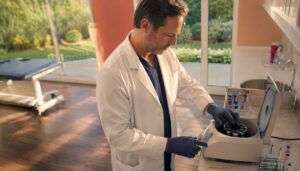
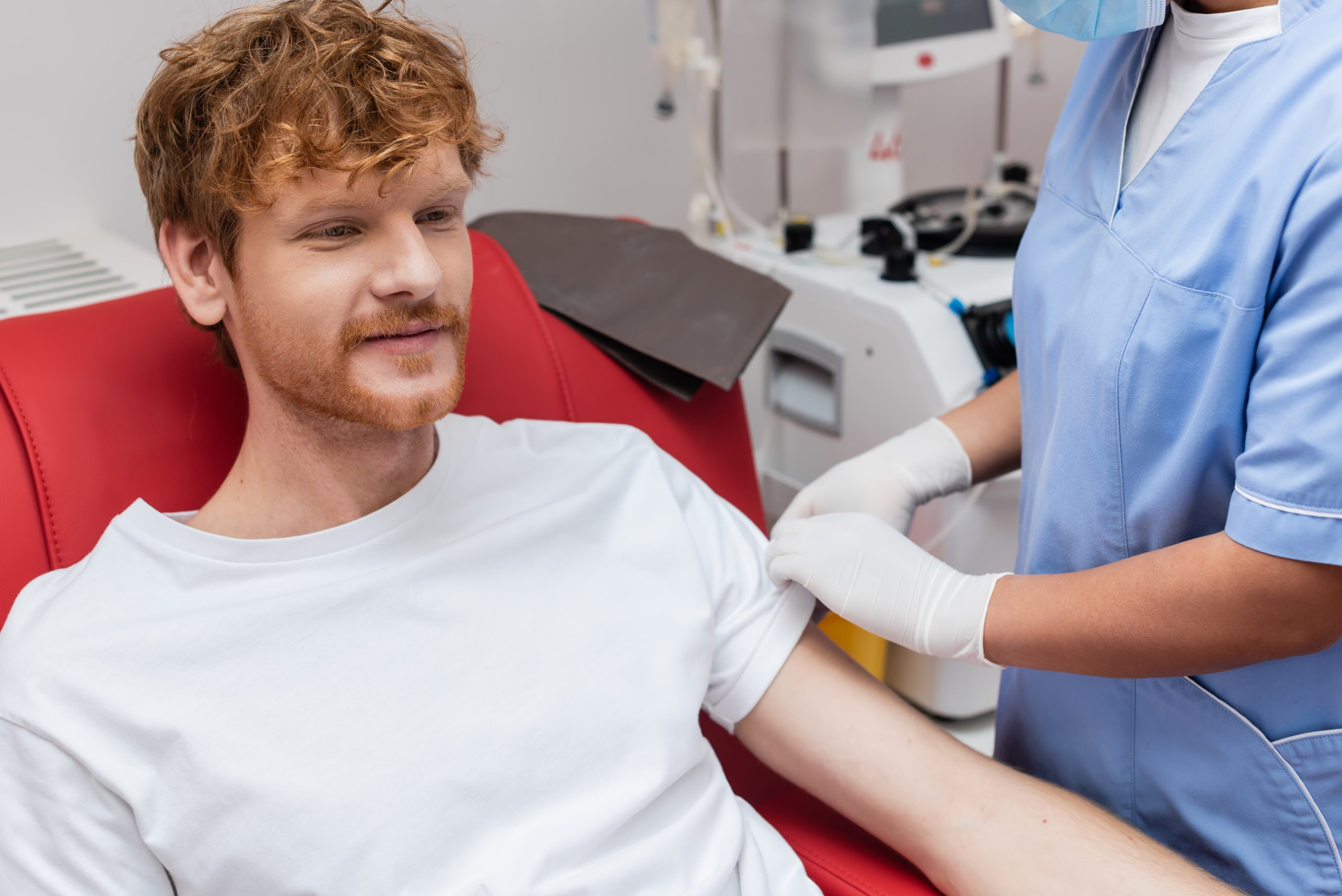
Platelet-rich plasma (PRP) relies on your body’s own growth factors. We draw a small sample of blood, process it, and inject a concentrated solution into the affected area. The goal is to stimulate repair at a cellular level.
Shockwave therapy uses acoustic waves. These waves create controlled microstimulation in the tissue. This improves circulation, encourages new blood vessel formation, and can help break down chronic inflammation patterns.
When we combine them, the sequence matters. In many cases, we use shockwave first to prepare the tissue. It increases blood flow and makes the area more responsive. Then PRP is introduced to deliver growth factors into an environment that is already more active.
We have found that this layered approach often supports a more stable healing response.
Why Clinics Are Moving Toward a Combined Approach for PRP and Shockwave Therapy
1. Addressing Chronic Conditions More Effectively: PRP and Shockwave therapy
Some injuries do not respond well to a single treatment. Tendon issues, for example, often involve poor blood supply and long-term degeneration.
In our experience, PRP alone can help, but progress may be gradual. Shockwave therapy can improve the local environment first. When both are used together, we often see a better tissue response over time.
This does not mean faster in every case, but it can mean more reliable progress.
2. Supporting Faster Healing Without Overstimulation
Patients often ask if combining therapies speeds things up. The answer is not always straightforward.
What we often notice is not just faster healing, but more organized healing. Shockwave helps stimulate the tissue, while PRP supports regeneration. When used carefully, this combination can reduce the stop-and-start pattern that some patients experience with single therapies.
The goal is not to push the body too hard. It is to guide it in a more coordinated way.
3. Improving Blood Flow and Tissue Response
Blood flow plays a larger role than many patients realize.
Shockwave therapy helps improve circulation in areas where healing has slowed down. This is particularly important in tendons and ligaments. Once circulation improves, PRP has a better chance of doing its job.
We have learned that PRP tends to work best when the surrounding tissue is already responsive. Shockwave helps create those conditions.
For patients who want to understand this further, reviewing how shockwave therapy works can help clarify why it pairs well with PRP.
4. Reducing the Need for Repeated Treatments
Some patients require multiple PRP sessions. That can be appropriate, depending on the condition.
However, when we combine PRP with shockwave therapy, we sometimes see fewer repeat treatments are needed. The body responds more effectively early on, which can reduce the overall treatment timeline.
This is not guaranteed, but it is something we have observed in practice, especially in chronic tendon cases.
Conditions Where the PRP and Shockwave Combo Is Often Used
We tend to consider this combination when a condition has not responded to basic care or when healing has stalled.
Common examples include:
- Chronic tendon injuries (Achilles, patellar, tennis elbow)
- Plantar fasciitis
- Rotator cuff tendinopathy
- Ligament sprains that have not fully healed
- Mild to moderate joint degeneration
In these cases, the issue is often not just damage, but poor healing quality. That is where regenerative combo therapy can play a role.
What a Typical Treatment Plan Looks Like
Every clinic approaches this slightly differently. In our setting, we begin with an evaluation to understand tissue quality, pain patterns, and prior treatments.
A typical plan may look like this:
- Initial shockwave sessions to stimulate the tissue
- PRP injection after the area becomes more responsive
- Follow-up shockwave sessions to support ongoing healing
We adjust the timeline based on how your body responds. Some patients need spacing between treatments. Others tolerate a more condensed schedule.
We have learned not to rush the process. Timing matters more than intensity.
What a Typical Treatment Plan Looks Like
Every clinic approaches this slightly differently. In our setting, we begin with an evaluation to understand tissue quality, pain patterns, and prior treatments.
A typical plan may look like this:
- Initial shockwave sessions to stimulate the tissue
- PRP injection after the area becomes more responsive
- Follow-up shockwave sessions to support ongoing healing
We adjust the timeline based on how your body responds. Some patients need spacing between treatments. Others tolerate a more condensed schedule.
We have learned not to rush the process. Timing matters more than intensity.
Where Other Regenerative Therapies Fit In
PRP and shockwave therapy are not the only options. In some cases, we may consider additional treatments depending on the condition.
For example:
- Stem cell therapy may be used in more advanced degeneration
- EMTT therapy can support deeper cellular activity
- SoftWave therapy offers another form of focused stimulation
We do not combine everything at once. Instead, we choose based on what the tissue needs at that stage.
The goal is to stay precise, not aggressive.
What Patients Should Know Before Starting
If you are considering PRP and Shockwave therapy, there are a few things we usually discuss upfront.
First, results are gradual. This is not a quick fix. The body needs time to rebuild tissue.
Second, the response varies. Some patients feel improvement within weeks. Others take longer.
Third, activity modification matters. Even the best treatment will not work well if the tissue continues to be overloaded.
We guide patients through this process step by step. Not everything improves at the same pace.
The Role of Experience in Combination Therapy
We have learned that combining treatments is not just about using more tools. It is about knowing when and how to use them.
Too much stimulation can slow progress. Too little may not be enough to trigger healing.
What we often focus on is balance. Shockwave prepares and activates. PRP supports and rebuilds. When used together thoughtfully, they can complement each other in a way that feels steady rather than aggressive.
For patients exploring PRP therapy, understanding this combined approach can help set realistic expectations.
A Practical Way Forward
If you have been dealing with a condition that has not improved with standard care, it may be worth looking at how therapies can work together rather than in isolation.
PRP and Shockwave therapy are not interchangeable. They serve different roles, but in the right setting, they can support a more complete healing process.
If you want to discuss whether this approach fits your situation, you can reach out to our team, and we can walk through your options in a straightforward way.