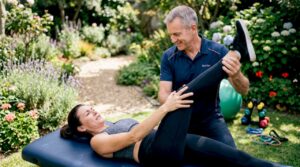

Degenerative condition treatment options are non-surgical therapies designed to manage chronic pain, restore mobility, and improve quality of life without going under the knife. Conditions like osteoarthritis, degenerative disc disease, and degenerative joint disease affect millions of Americans, progressively wearing down cartilage, bone, and soft tissue over time. The good news is that non-surgical management remains the cornerstone of care for most patients, capable of delaying or avoiding invasive surgery entirely. The right combination of therapies depends on your specific condition, severity, and lifestyle goals.
1. What are the most effective lifestyle modifications for managing degenerative conditions?
Lifestyle changes are the foundation of any degenerative disease management strategy. They cost the least, carry the fewest risks, and often produce the most durable results when applied consistently.
Weight management is the single most impactful lifestyle factor for joint health. Weight reduction decreases stress on weight-bearing joints and reduces systemic inflammation. Even modest loss makes a measurable difference in pain levels and mobility.

Activity modification matters just as much as weight. High-impact activities like running on pavement or heavy powerlifting accelerate cartilage breakdown. Switching to lower-impact movement protects joints while keeping you active.
Key lifestyle adjustments that support joint health include:
- Reducing body weight to lower joint load and inflammation
- Replacing high-impact activities with walking, swimming, or cycling
- Adding omega-3 fatty acids and vitamin D to support joint tissue
- Quitting smoking, which impairs circulation and slows tissue repair
- Prioritizing sleep, since tissue repair happens primarily during rest
Pro Tip: Make one change at a time. Patients who try to overhaul diet, exercise, and sleep simultaneously tend to abandon all three. Small, consistent shifts compound over months.
Nutrition also plays a direct role. Anti-inflammatory diets rich in leafy greens, fatty fish, and berries reduce the inflammatory load on already-stressed joints. Supplements like glucosamine and chondroitin have mixed evidence, but many patients report meaningful symptom relief, and the risk profile is low.
2. How does physical therapy and exercise improve symptoms and function?
Physical therapy is one of the most evidence-backed options for chronic condition therapy. It addresses the mechanical causes of pain, not just the symptoms.
A well-designed physical therapy program targets three areas:
- Strengthening the muscles surrounding a damaged joint so they absorb more force and reduce stress on cartilage
- Flexibility and range of motion work to prevent stiffness and maintain functional movement patterns
- Neuromuscular training to improve joint stability and reduce the risk of compensatory injuries
Targeted exercises improve joint mechanics and help patients move more efficiently, which directly reduces pain over time. The benefit is not just temporary relief. Consistent therapy rebuilds the muscular support system that degenerative conditions erode.
For patients with degenerative disc disease or knee osteoarthritis, low-impact exercise options like water aerobics, yoga, and Pilates protect joints better than high-impact alternatives. Water aerobics in particular removes gravitational load while still building strength and cardiovascular fitness.
Pro Tip: Working with a licensed physical therapist rather than following generic online programs produces significantly better outcomes. A therapist adjusts your program as your strength and mobility improve.
The most common mistake patients make is stopping therapy once pain decreases. Pain reduction is a sign the program is working, not a signal to stop. Maintaining a home exercise routine between sessions sustains the gains made in clinic.
3. What are the roles of medications and injections in non-surgical management?
Medications and injections manage symptoms while other therapies address underlying function. They are most effective as part of a broader treatment plan, not as standalone solutions.
Oral medications
NSAIDs reduce inflammation and pain effectively for most patients with degenerative joint conditions. Common examples include ibuprofen and naproxen. Long-term use carries real risks, including gastrointestinal damage and cardiovascular effects, so careful monitoring is necessary.
Acetaminophen offers a safer long-term profile for mild to moderate pain but does not address inflammation directly. Topical NSAIDs like diclofenac gel provide localized relief with fewer systemic side effects, making them a practical option for knee and hand osteoarthritis.
Injectable therapies
- Corticosteroid injections deliver fast, targeted anti-inflammatory relief. Effects are temporary and repeated injections may accelerate cartilage breakdown over time. Best used for acute flares rather than ongoing management.
- Hyaluronic acid injections supplement the natural lubricating fluid in joints. Evidence is mixed, but some patients with mild to moderate osteoarthritis report meaningful pain reduction lasting several months.
- Platelet-rich plasma (PRP) injections use concentrated growth factors from your own blood to promote tissue repair. PRP provides superior pain relief and functional improvement compared to corticosteroids and hyaluronic acid over a 6–12 month period for knee osteoarthritis.
The key distinction across all these options is symptom management versus disease modification. NSAIDs and corticosteroids manage symptoms. PRP and orthobiologic therapies aim to support actual tissue repair, which is a meaningful clinical difference.
4. How are orthobiologic therapies like PRP shaping treatment options?
Orthobiologics represent the most significant shift in best therapies for degeneration over the past decade. These treatments use biological materials, primarily from the patient’s own body, to support healing at the tissue level.
PRP therapy works by concentrating platelets from a blood draw and injecting them into the affected joint or tissue. Platelets release growth factors that signal the body to repair damaged cartilage, reduce inflammation, and improve the local tissue environment. The process takes roughly an hour and requires no general anesthesia.
“The AAPM&R 2026 guidance statement on PRP for knee osteoarthritis recommends individualized PRP use based on clinical judgment, acknowledging an evolving evidence base and the need for patient-tailored management. No universal protocol currently exists, and preparation methods vary significantly across providers.”
That variability matters. PRP outcomes depend heavily on how the plasma is prepared, the concentration of platelets used, and the number of injections administered. A clinic with a standardized, evidence-informed protocol produces more consistent results than one using generic off-the-shelf kits.
Bone marrow aspirate concentrate (BMAC) is another orthobiologic option. It draws stem cells and growth factors from bone marrow, typically from the hip, and delivers them to the damaged site. Evidence for BMAC is still developing, but early results in knee and hip osteoarthritis are promising.
For a detailed comparison of how these therapies stack up, regenerative medicine options compared provides a clear breakdown by condition and patient profile.
Pro Tip: Ask any provider about their PRP preparation protocol before committing. Leukocyte-rich versus leukocyte-poor PRP produces different outcomes depending on the condition being treated.
5. When should patients consider minimally invasive procedures or surgery?
Non-surgical care works for the majority of patients with degenerative conditions. Surgery becomes appropriate when conservative management no longer controls symptoms or when function deteriorates to a point that affects daily life.
Minimally invasive procedures and joint replacement are considered after non-surgical treatments have been tried consistently and failed to provide adequate relief. This threshold is based on both symptom severity and quality-of-life impact, not just imaging findings.
Circumstances that typically indicate surgical evaluation:
- Persistent, severe pain that does not respond to medications, injections, or therapy after 6 or more months
- Significant loss of joint function that prevents basic daily activities
- Structural joint damage confirmed on imaging that correlates with clinical symptoms
- Nerve compression causing weakness, numbness, or loss of bladder or bowel control
Common surgical options include total joint arthroplasty (replacement), osteotomy (realigning bone to redistribute load), and arthroscopic procedures for specific mechanical problems. Minimally invasive techniques like radiofrequency ablation can also reduce pain from specific nerve pathways without full surgery.
Non-surgical management remains valuable before and after surgery. Prehabilitation, meaning building strength and mobility before an operation, improves surgical outcomes. Post-surgical physical therapy and orthobiologic support can accelerate recovery and reduce complications.
Key Takeaways
Non-surgical degenerative condition treatment options, from lifestyle changes to PRP therapy, form the most effective and lowest-risk path for managing chronic joint pain and preserving function long term.
| Point | Details |
|---|---|
| Lifestyle changes first | Weight reduction and activity modification lower joint stress and reduce inflammation directly. |
| Physical therapy builds lasting function | Strengthening and low-impact exercise improve joint mechanics and reduce pain over time. |
| PRP outperforms corticosteroids long term | PRP provides superior pain relief and function improvement over 6–12 months compared to steroid injections. |
| Orthobiologics require individualized protocols | AAPM&R guidelines stress patient-tailored PRP use; preparation quality affects outcomes significantly. |
| Surgery is a last resort | Non-surgical management should be exhausted before considering joint replacement or invasive procedures. |
What I’ve learned about treating degenerative conditions over time
The patients who do best are rarely the ones who find a single magic treatment. They are the ones who commit to a layered approach and stay consistent with it.
What we see repeatedly at Nortextissueregeneration is that patients often arrive after years of cycling through NSAIDs and occasional steroid injections, frustrated that nothing has held. The issue usually is not that those treatments failed. It is that they were used alone, without the physical therapy and lifestyle work that makes any injection more effective and longer lasting.
The emergence of PRP and orthobiologics has genuinely changed what is possible for patients who are not ready for surgery or who want to avoid it entirely. But I want to be honest about the limitations. PRP is not a cure. It works best in mild to moderate disease, in patients who are also doing the work of strengthening and weight management. Expecting an injection to compensate for a sedentary lifestyle and a 40-pound weight excess is setting yourself up for disappointment.
The other thing I would push back on is the idea that you need to choose between “natural” and “medical” approaches. The best outcomes come from combining them thoughtfully. A good clinician helps you figure out which combination fits your condition, your body, and your life.
— Felix
Advanced non-surgical care at Nortextissueregeneration
Nortextissueregeneration specializes in regenerative, non-surgical treatments for patients managing degenerative joint conditions, chronic pain, and tissue damage. The clinic offers PRP therapy, stem cell therapy, and bone marrow cell therapy, each delivered through personalized treatment plans built around your specific condition and goals. Every protocol is grounded in current clinical evidence and adapted to your individual profile. If you have been managing pain with medications alone or are looking for options before committing to surgery, a consultation with the Nortextissueregeneration team is a practical next step toward understanding what regenerative care can realistically offer you.
FAQ
What are the first-line treatment options for degenerative conditions?
First-line treatment for degenerative conditions includes weight management, physical therapy, and NSAIDs for pain and inflammation control. These conservative approaches are recommended before considering injections or surgical intervention.
Is PRP therapy effective for degenerative joint disease?
PRP therapy provides superior pain relief and functional improvement compared to corticosteroids and hyaluronic acid over 6–12 months for knee osteoarthritis. Outcomes vary based on preparation protocol and patient profile, so individualized assessment is necessary.
How do I know when surgery is the right choice?
Surgery is appropriate when non-surgical treatments have failed to control symptoms after consistent use, or when joint damage significantly limits daily function. A specialist evaluation with current imaging helps determine the right threshold for your situation.
Can exercise make degenerative conditions worse?
High-impact activities like running and heavy lifting can accelerate joint breakdown in degenerative conditions. Low-impact options like water aerobics and yoga protect joints while maintaining strength and mobility.
What is the difference between corticosteroid and PRP injections?
Corticosteroid injections reduce inflammation quickly but provide only temporary relief and may harm cartilage with repeated use. PRP injections use your own growth factors to support tissue repair, with benefits that tend to last longer and improve function more meaningfully over time.